In short
- There is no upper age limit for a tattoo. Many people get their first one after 50, and older skin can be tattooed beautifully by an artist who knows how to work with it.
- Skin gets thinner, drier and slower to heal with age, so the artist works more gently, and healing often takes a little longer. Expect some extra bruising.
- Blood thinners, diabetes and some other conditions matter. Talk to your doctor first, and never stop a prescribed medicine on your own to get tattooed.
- Choose a place with firmer, less sun-damaged skin, keep moles and sun spots free, and go for clear, slightly bolder designs. They read well now and keep reading well.
In this article 10
Margit was sixty-seven when she walked into a tattoo studio for the first time, holding her granddaughter’s hand. She had thought about it for almost thirty years: a small sprig of forget-me-nots for her husband, who had died the winter before. “I always said I was too old,” she told the artist. “Then I realised I was only ever going to get older.” The artist looked at the inside of her forearm, gently pinched the skin between two fingers, and suggested moving the flowers a little higher, to the outer upper arm. “Same flowers,” he said. “They’ll just stay sharper there.”
Margit is far from alone. More and more people get their first tattoo after fifty, sixty or seventy: a name, a date, a symbol that finally feels right, or simply something they always wanted and never allowed themselves. The questions are always similar. Can older skin still be tattooed? Does it hurt more? What about my medication? And where should it go? This guide answers them honestly.
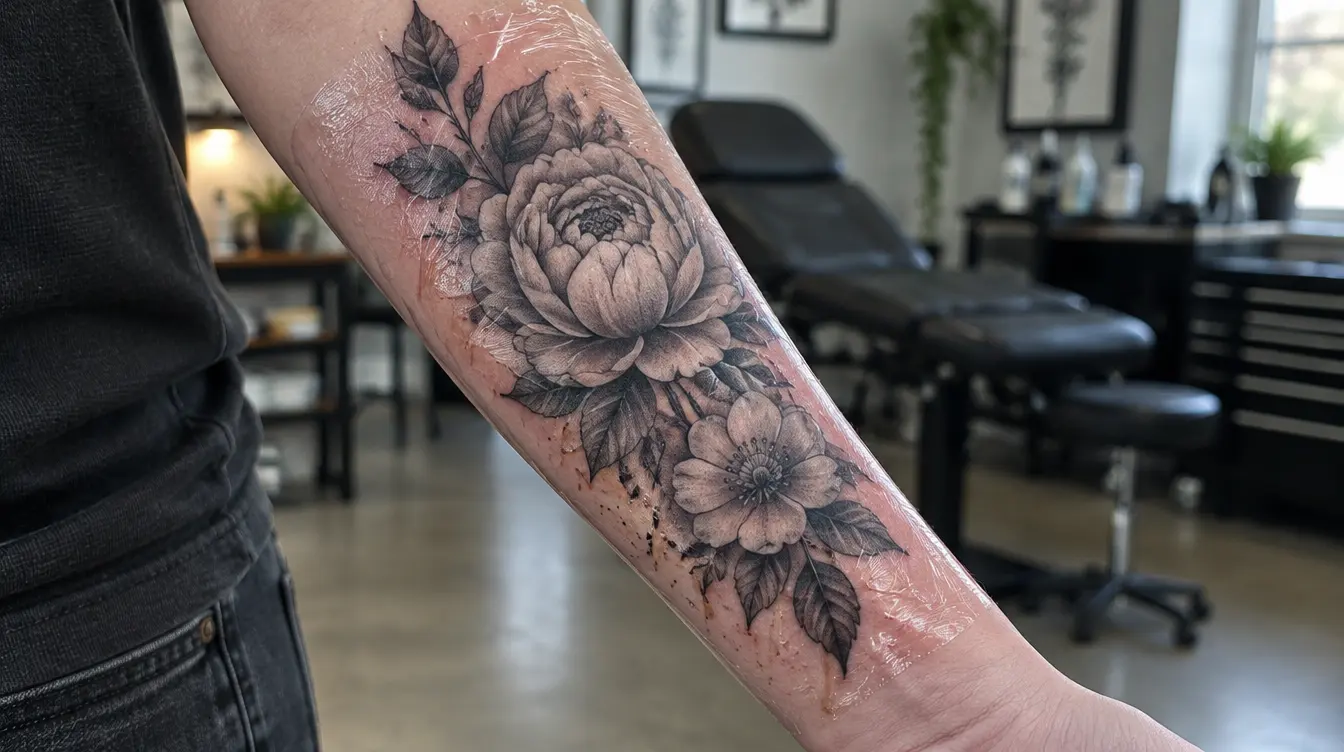
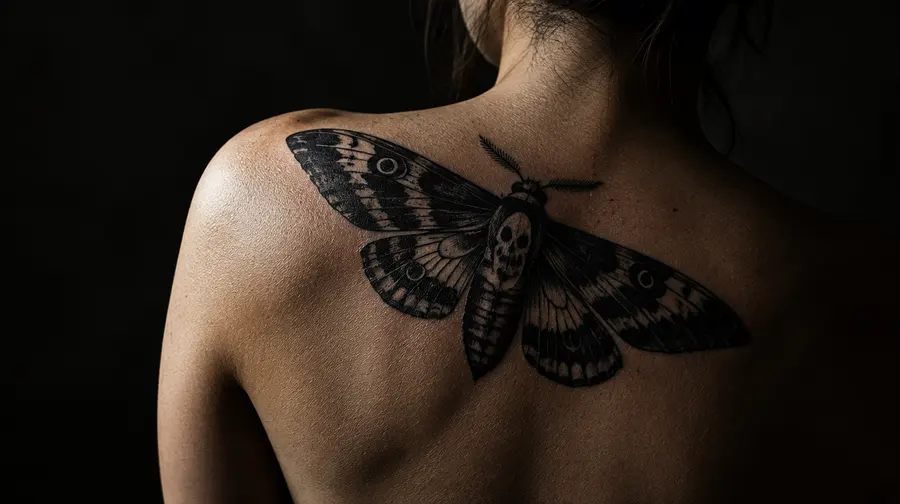
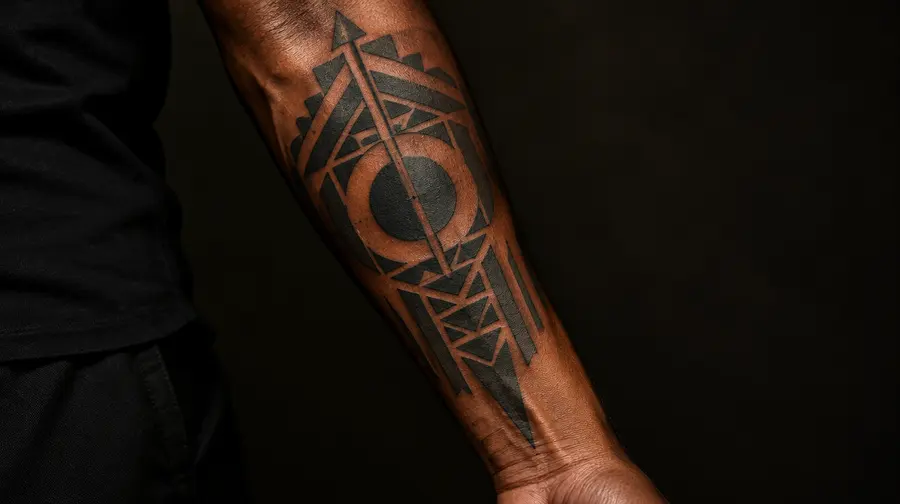
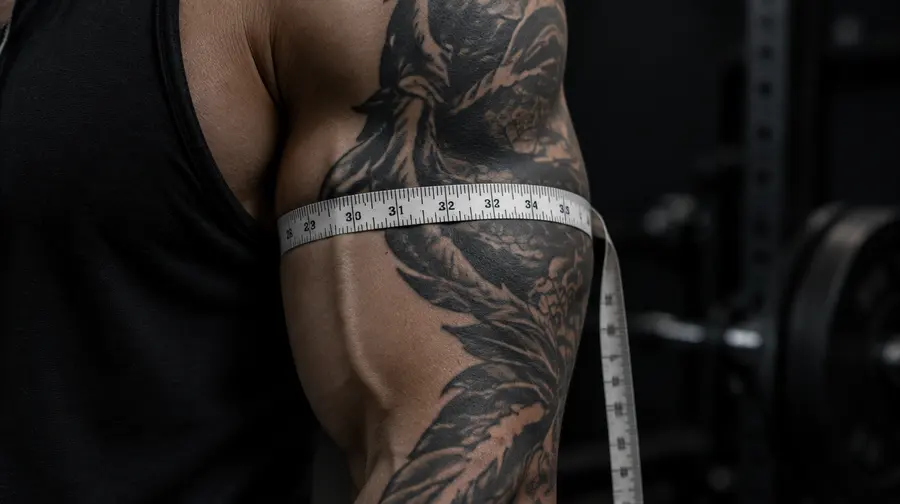
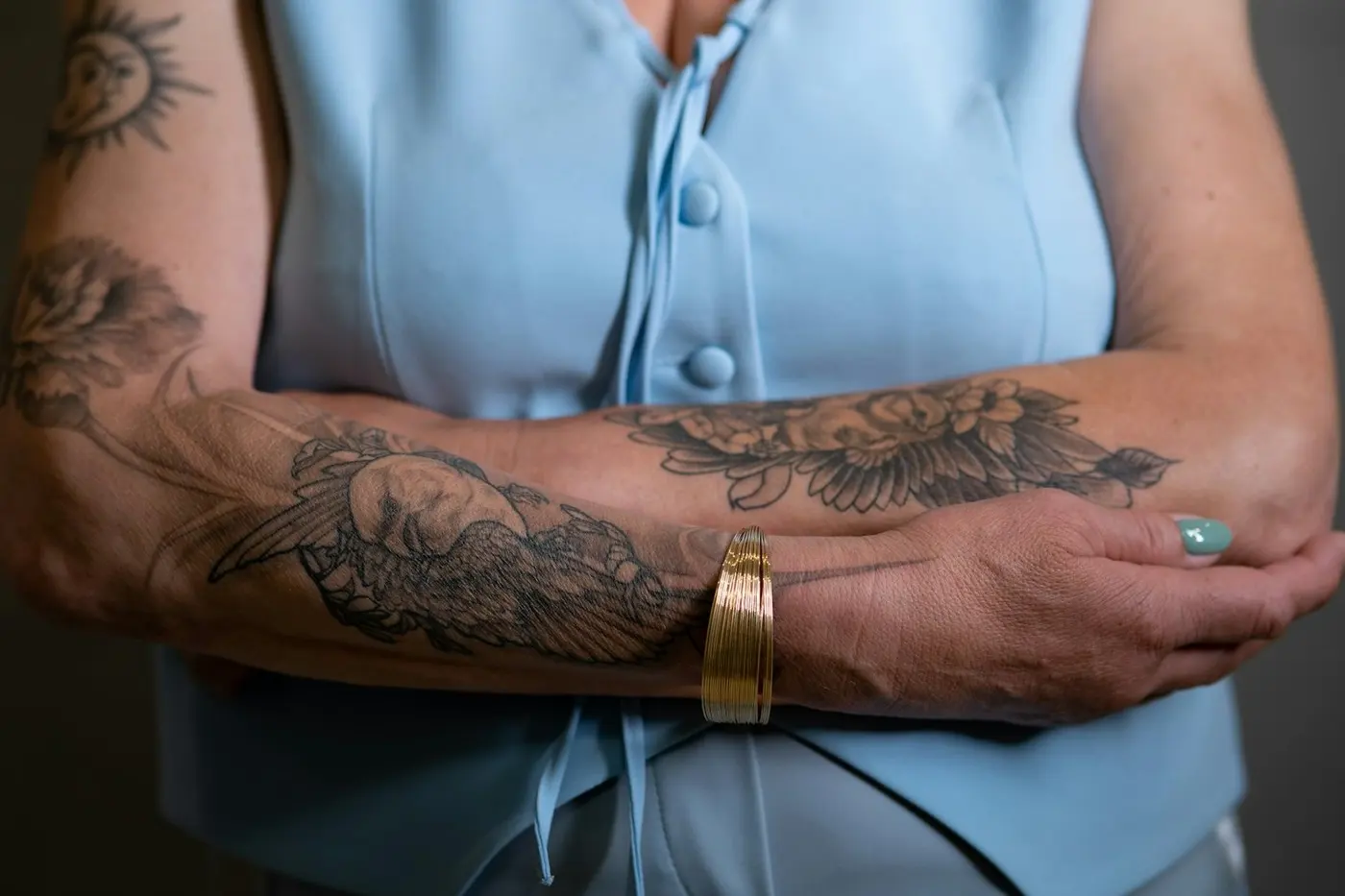
> A note on the pictures: the photos in this article are free stock photos from Unsplash, chosen to show typical situations. They are not photos of the people in the story.
Can older skin be tattooed?
Yes. There is no upper age limit for a tattoo, and an experienced artist can do excellent work on mature skin. What changes is not whether it is possible, but how the work is done.
With age, the skin goes through a few predictable changes. The outer layer becomes thinner and drier. The deeper layer, where tattoo ink settles, loses some of its collagen and elasticity, so the skin is softer and moves more under the needle. Small blood vessels become more fragile, which means more bruising. And years of sun leave their mark: spots, rougher texture and areas where the skin is noticeably thinner.
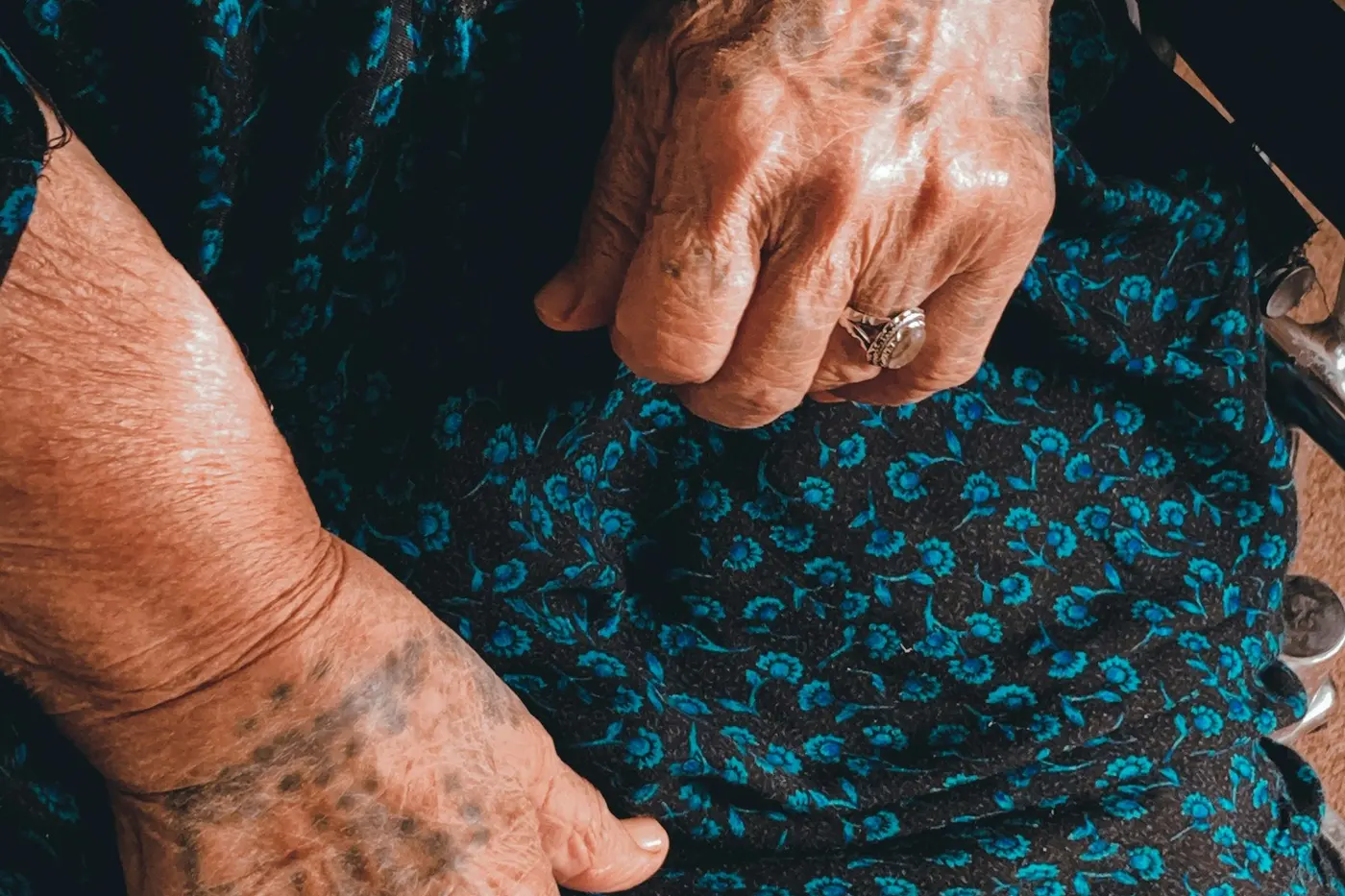
None of this rules out a tattoo. It simply means the artist has to adjust: a lighter hand so the ink does not spread under thin skin, careful stretching of softer skin to keep lines straight, and a design that suits the surface. That is why it matters to choose an artist who has worked on mature skin before and can show you healed examples.
Read alsoWhat happens to tattoos when you get old? An honest look at ink on older skinOlder skin is not a worse canvas. It is a different one, and it rewards an artist who knows it.
Does it hurt more?
Not necessarily. Many older first-timers are surprised by how manageable it is. Pain depends far more on the place than on age: bony, thin-skinned areas such as ankles, shins, the top of the foot or the collarbones are sharper at any age, while the outer upper arm, the shoulder or the outer thigh are usually easier.
Thinner skin can make some spots feel more sensitive, and bruising can make the area tender for a few days afterwards. A smaller first tattoo, a shorter session and a good meal beforehand all help. Tell your artist if you need a break; good artists expect it.
Talk to your doctor first
This is the most important part, and it is not about permission to be young at heart. It is about safety. A few health questions genuinely change how a tattoo should be planned:

- Blood thinners. Anticoagulants and antiplatelet medicines, including daily aspirin, make you bleed and bruise more. That can make the session harder and the healing slower. Your doctor can tell you whether a tattoo is safe and what to watch for. Never stop or pause a prescribed medicine on your own to get tattooed.
- Diabetes. Healing can be slower and the risk of infection higher, especially on the legs and feet. Well-controlled blood sugar and a placement away from the lower legs make a difference.
- A weaker immune system. Some medicines, treatments and conditions make infections more likely. Your doctor may advise waiting, or extra care afterwards.
- Skin conditions and scars. Eczema, psoriasis, a tendency to keloid scars or recent skin cancer treatment all need to be discussed beforehand.
It also helps to tell your artist which medicines you take. A responsible studio will ask anyway, and may suggest a shorter session or a different spot.
The best places on older skin
The best placement is the one where the skin is firmer, smoother and has seen the least sun. On most people that means:
- The outer upper arm and shoulder: relatively firm skin, usually protected by sleeves, easy to show or cover.
- The upper back and shoulder blade: some of the least sun-damaged skin on the body.
- The outer thigh and the calf: good surfaces for larger designs, as long as circulation in the legs is good.
- The inner forearm: possible, but on many people the skin here gets thin and soft with age. Pinch it gently: if it wrinkles like tissue paper, an area a little higher is usually better.
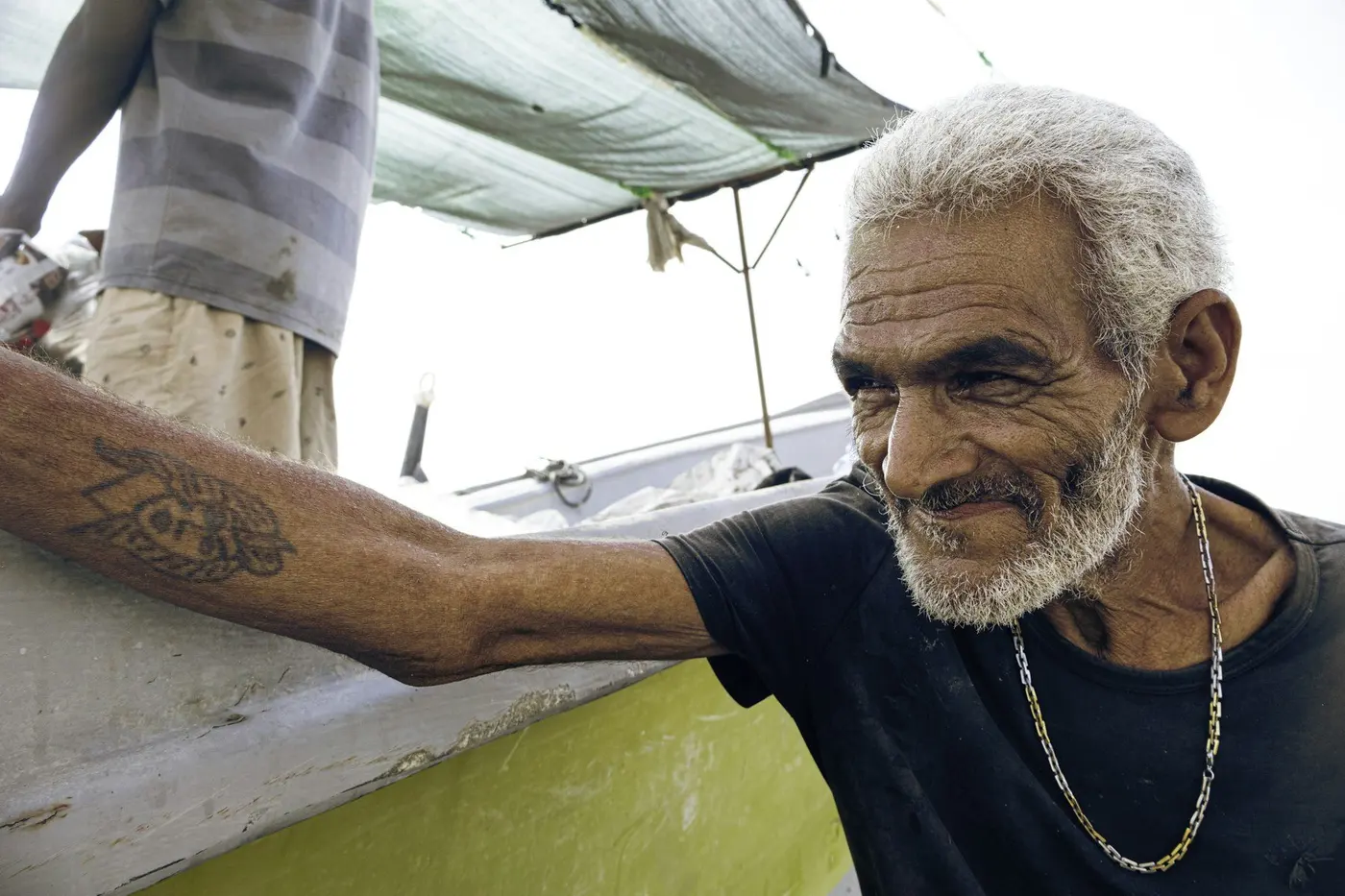
Areas to be more careful with are the back of the hands, the fingers, the feet and ankles, and the shins: thin skin over bone, often more sun damage, and on the legs and feet slower healing. And wherever you choose, keep moles, sun spots and anything your doctor wants to watch free of ink, so they can still be checked in the years ahead.
Designs that suit mature skin
A tattoo on older skin looks best when it is clear and easy to read. That does not mean big or heavy, but it does mean a few things:
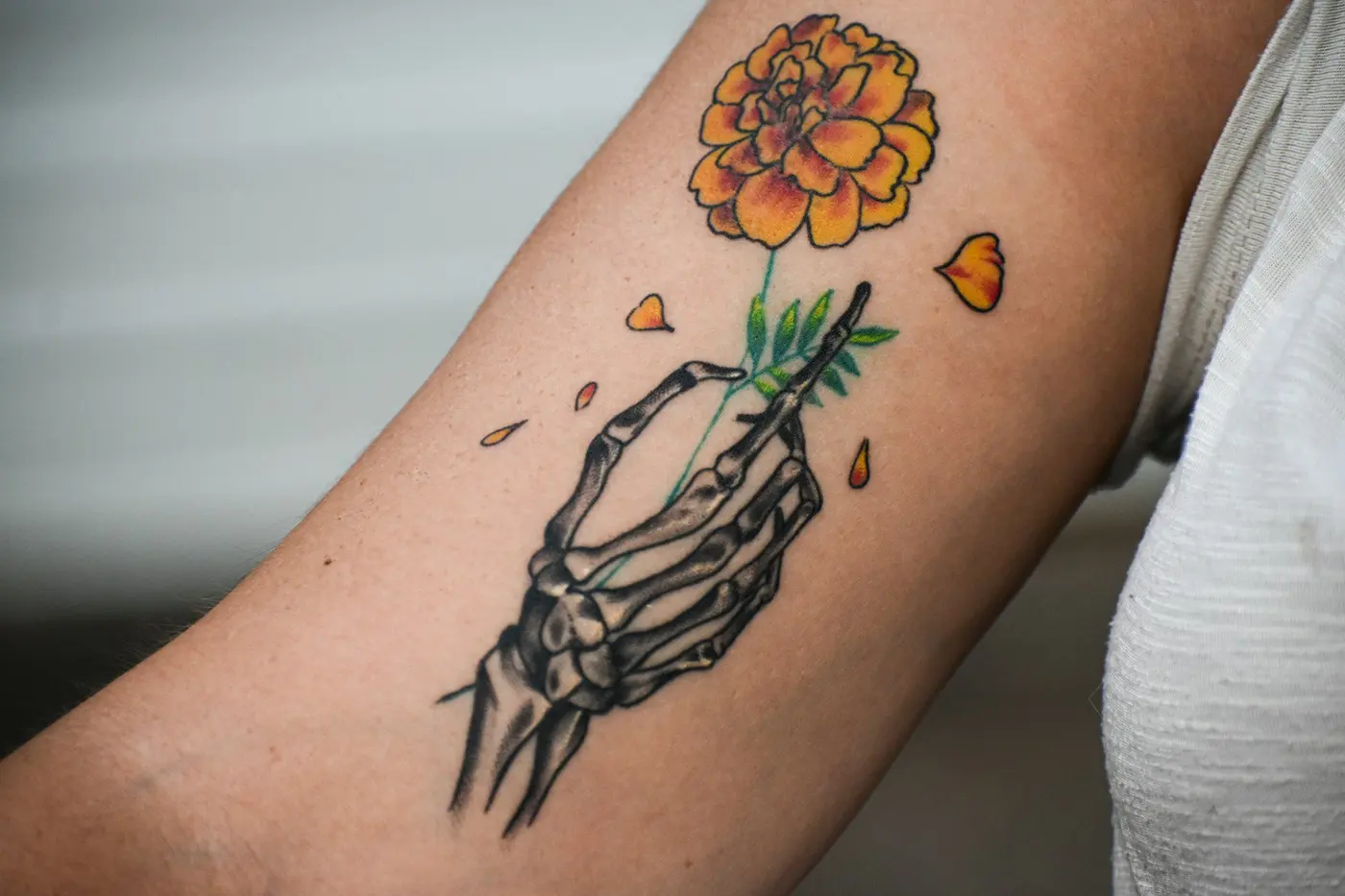
- Slightly bolder lines. Very thin, needle-fine lines are the hardest to place cleanly in thin skin and the first to soften. A confident outline holds up much better.
- Medium size. A design about the size of a palm or larger leaves room for detail; tiny tattoos with lots of detail tend to blur.
- Good contrast. Black and grey with clear darks and lights, or bold colour, reads better on skin with spots and texture than soft pastel shading.
- Simple, meaningful shapes. Flowers, a name in clear lettering, a small symbol, a pet’s paw print. They suit the skin and they suit the reason most people get a first tattoo later in life.
If you want lettering, choose a clean, slightly larger script and check every letter. A name or a date is often the whole point, so it should still be perfectly readable in twenty years.
Questions to ask the artist
A good consultation is the best protection against disappointment. Most studios are happy to talk before you commit, and a calm, unhurried conversation is often the first sign that you are in the right place. These questions are worth asking:
- Have you tattooed mature skin before, and can I see healed examples? Fresh photos look good on any skin; healed ones show how the artist really works.
- Where would you place this design on me, and why? A good artist will look at and touch your skin before answering.
- How big should it be so the details stay readable? If the answer is “bigger than you wanted”, ask to see both sizes as a stencil.
- How long will the session take, and can we take breaks? For a first tattoo, shorter is usually better.
- Is a touch-up included if something heals lighter? On older skin a small touch-up after healing is common and nothing to worry about.
If the artist rushes you, dismisses your medication or will not show healed work, it is perfectly fine to thank them and look elsewhere.
Healing at 60 is a little slower
The steps are the same as at any age: keep it clean, wash it gently with mild soap and lukewarm water, apply a thin layer of aftercare cream once or twice a day, do not pick or scratch, and stay out of pools, baths and the sea until the surface has closed. What changes is the pace.
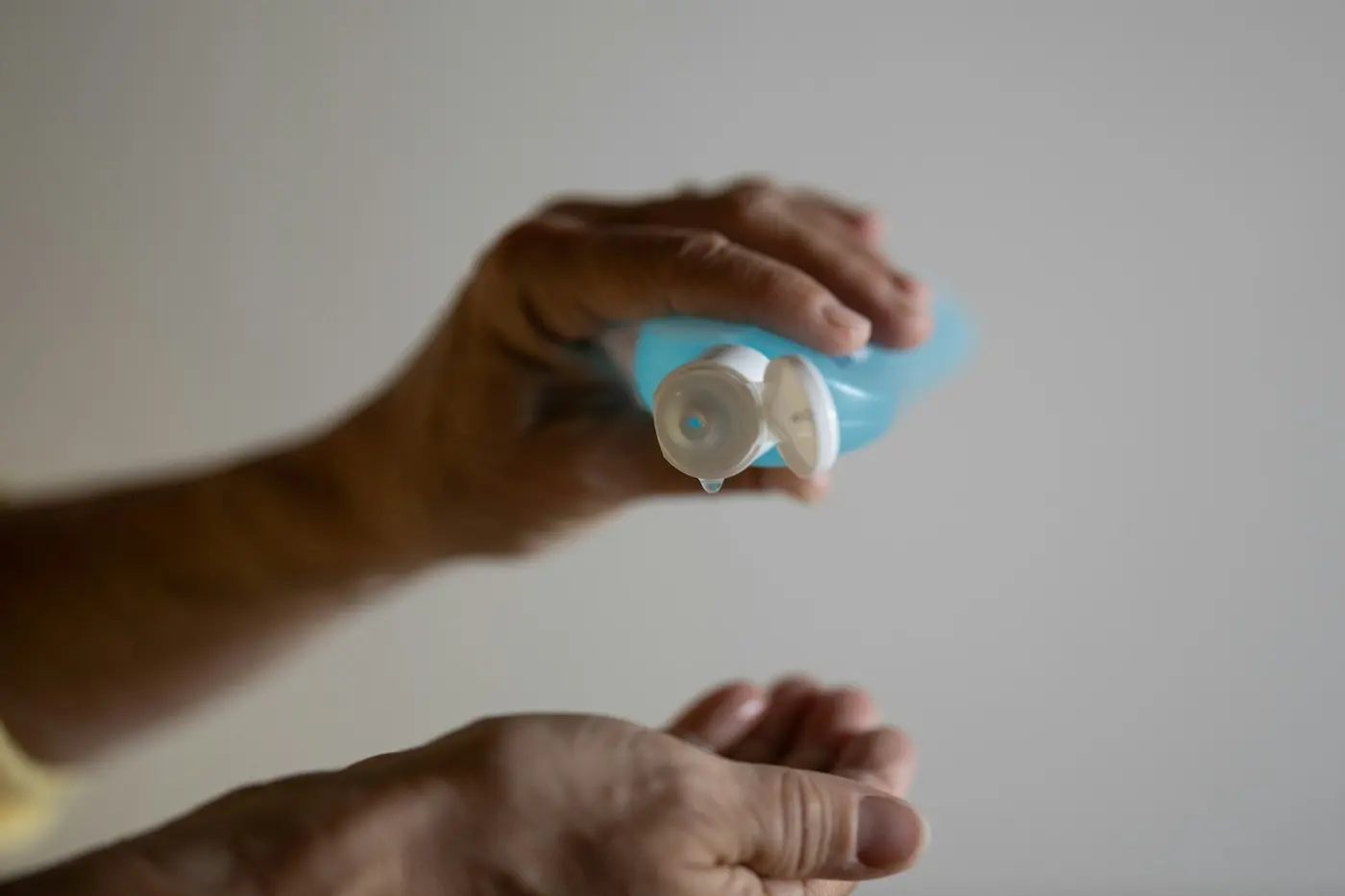
Older skin often needs a few extra days. Bruising around the tattoo can last longer than people expect and may look alarming, but usually fades on its own within a week or two. Dry skin itches more while it heals, so keep it moisturised and resist the urge to scratch. If the area becomes hot, increasingly painful, swollen or the redness spreads after the first few days, contact your doctor; with diabetes or a weaker immune system, do not wait.
Sun protection matters even more
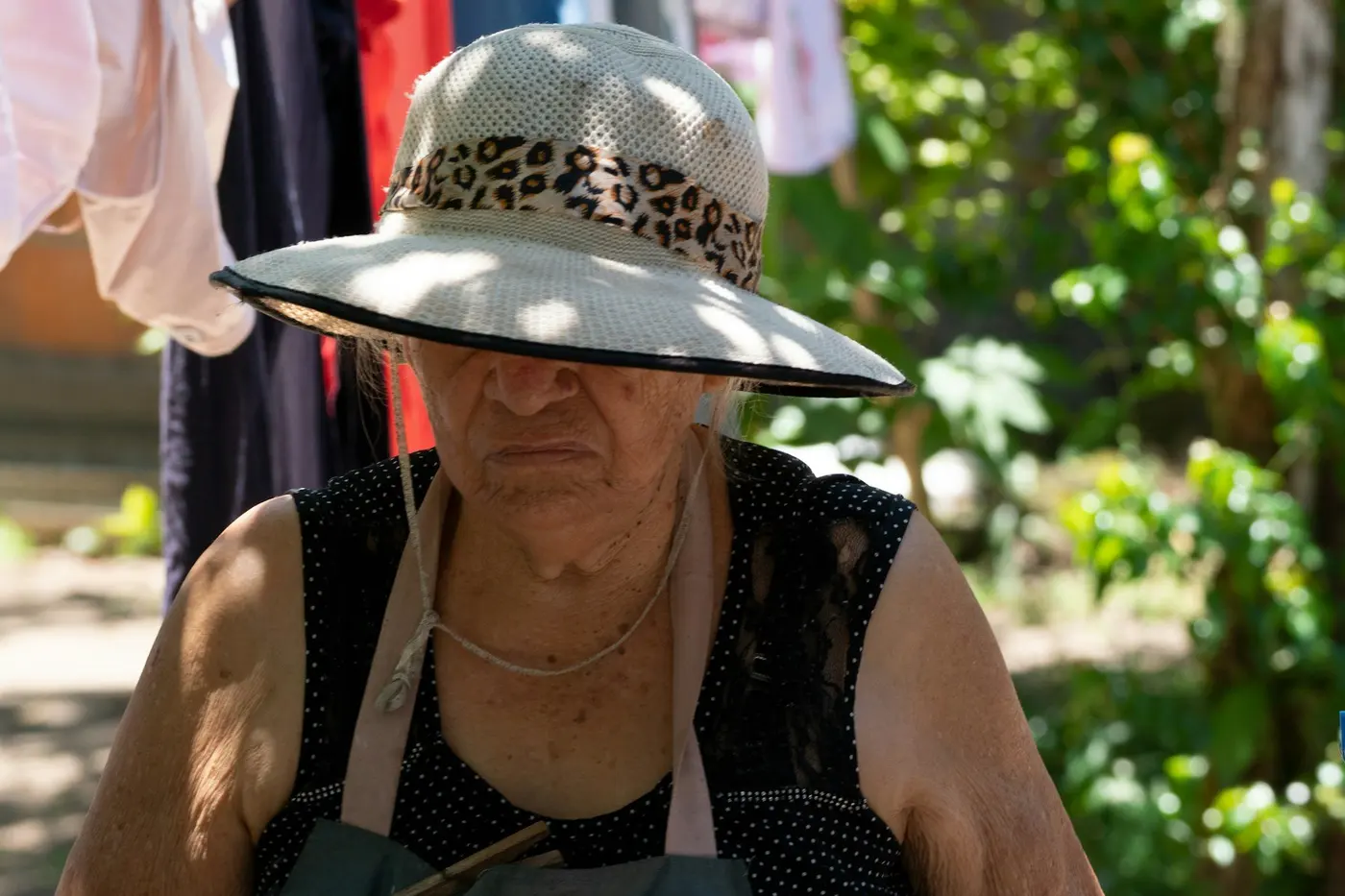
Mature skin has already had decades of sun, and a new tattoo fades fastest where the sun hits it. Once the tattoo has healed, use a high-factor sunscreen whenever it is uncovered, and choose clothing that covers it on long sunny days. It protects the ink and the skin around it.
It is never too late, but plan it well
Margit’s forget-me-nots are on her outer upper arm now, in clean, confident lines with a little soft shading. They healed in about three weeks, with a bruise she called “very dramatic for such small flowers”. Her granddaughter got a matching sprig a month later, on her wrist.
If you are thinking about a first tattoo later in life, the honest answer is: you can. Talk to your doctor, choose an artist with experience on mature skin, pick a place with good skin and a design that is clear rather than tiny, and give it a little more time to heal.
If you want to see how your design might look on your own skin before you decide, you can upload a photo to InkAge and preview it, including how it may look in ten or twenty years. For many people that preview is the moment the decision finally feels right.
Frequently asked questions
Is there an age limit for getting a tattoo?
No. There is no upper age limit. Many people get their first tattoo after 50, 60 or 70. What matters is your skin, your health and an artist who has experience with mature skin.
Can I get a tattoo if I take blood thinners?
Ask your doctor first. Blood thinners, including daily aspirin, increase bleeding and bruising and can slow healing. Your doctor can tell you whether it is safe for you. Never stop a prescribed medicine on your own to get tattooed.
Where is the best place for a tattoo on older skin?
Where the skin is firmest and has seen the least sun: usually the outer upper arm, the shoulder, the upper back, the outer thigh or the calf. Thin skin over bone, such as the back of the hands, feet, ankles and shins, is harder and heals more slowly.
Does a tattoo take longer to heal when you are older?
Often a little, yes. Older skin is thinner and drier and usually needs a few extra days, and bruising around the tattoo can last longer. The aftercare is the same: keep it clean, moisturise it, do not scratch, and protect it from the sun.
What tattoo styles work best on mature skin?
Clear designs with slightly bolder lines, a medium size and good contrast. Very fine lines and tiny, detailed tattoos tend to soften fastest on thin skin, while confident outlines and clear lettering stay readable.
Sources
- Photos: Unsplash (free to use under the Unsplash licence)
- National Institute on Aging: Skin care and aging
- Tattoos: Understand risks and precautions (Mayo Clinic)
- Cleveland Clinic: Tattoo aftercare tips from a dermatologist
- Tattoos: 7 unexpected skin reactions and what to do about them (American Academy of Dermatology)
Written by the InkAge editorial team from widely accepted tattoo-care practice. Figures are rules of thumb, not measurements. This is general information, not medical advice — ask your artist or a dermatologist about your own skin.
Last updated: 16 November 2026