In short
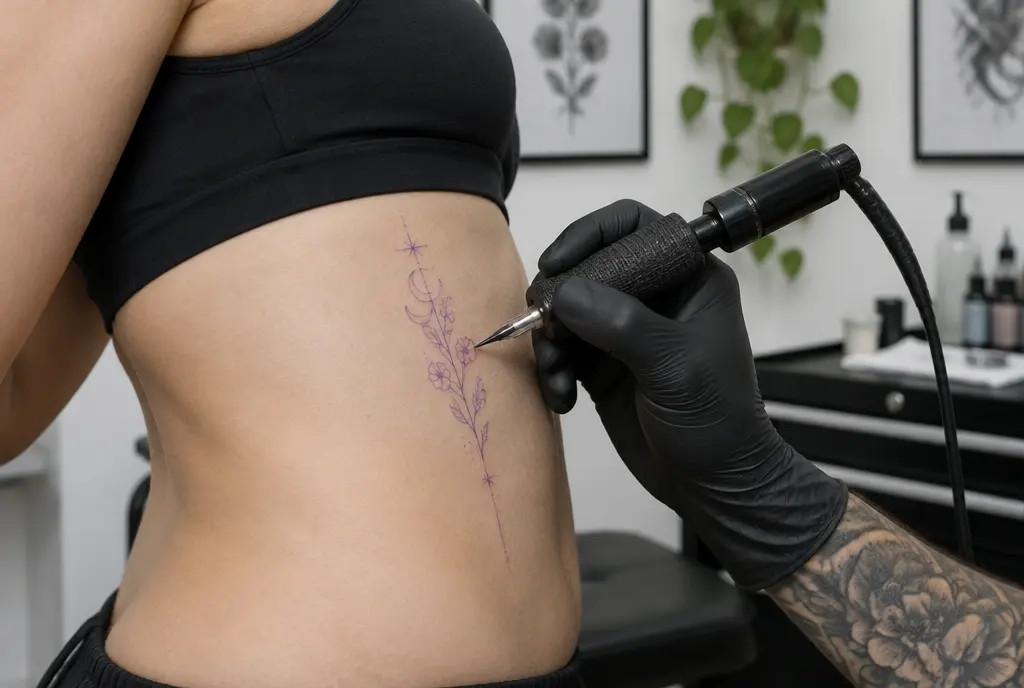
- The ribs are one of the most painful places to get tattooed: thin skin sits right on bone, there is little fat to cushion the needle, and the area moves with every breath.
- They age well, though. The ribs rarely see the sun and stay covered most of the year, so lines and shading hold up for a long time. Big weight changes and pregnancy are the main things that can stretch a design.
- Script along the line of the ribs, fine line florals and large pieces that follow the curve of the torso all suit the area. Very tiny detail and thin text below about 1 cm are the riskiest choices.
- Plan shorter sessions, eat beforehand and breathe slowly and steadily. During healing, keep bra bands and waistbands from rubbing the fresh tattoo for the first two to three weeks.
In this article 9
Nora had the quote written out for months before she booked it: a single line from a letter her grandfather wrote, in his own handwriting, running along her left ribs. She liked that it would be hers alone, hidden under a T-shirt and only visible when she chose. The only thing that kept her from booking was what everyone told her the moment she mentioned the ribs: “Are you sure? That’s the worst spot.”
They were not entirely wrong. The ribs really are one of the most painful places to get tattooed. But that is only half the story. The same spot is also one of the kindest to a tattoo over the years, and a few practical choices make the session itself far more manageable. In this guide we look at why the ribs hurt, how rib tattoos age, which designs suit them, how to get through the appointment and the healing, and what to expect decades later.
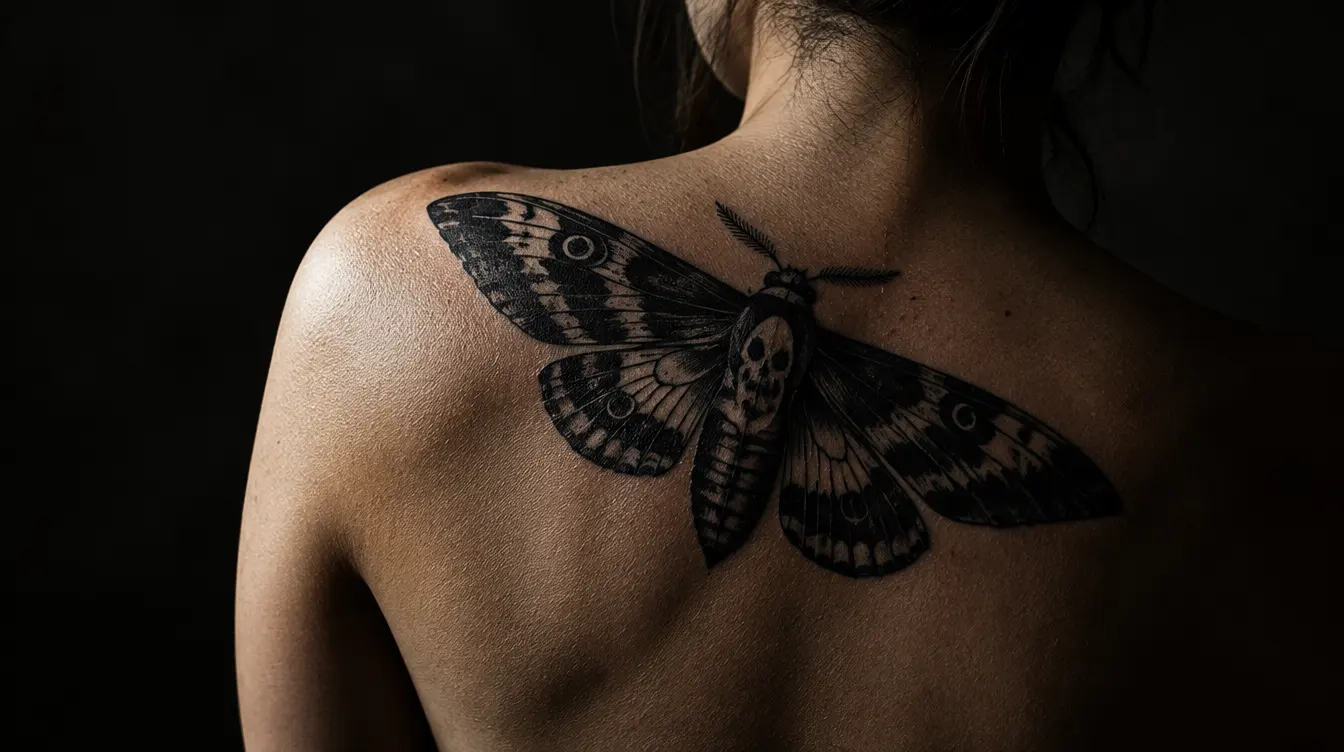
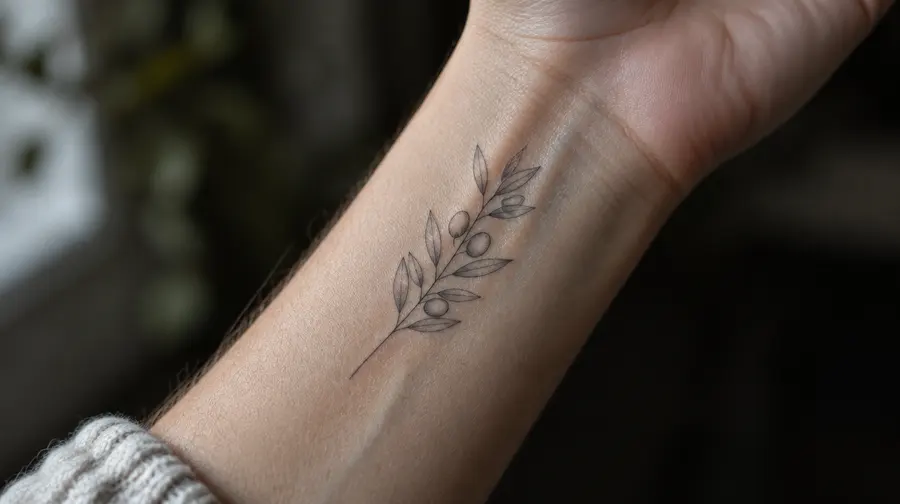
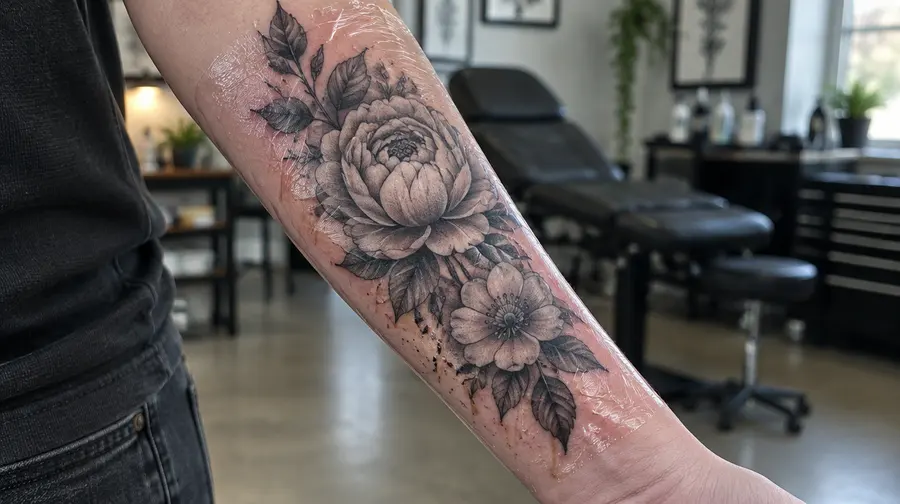
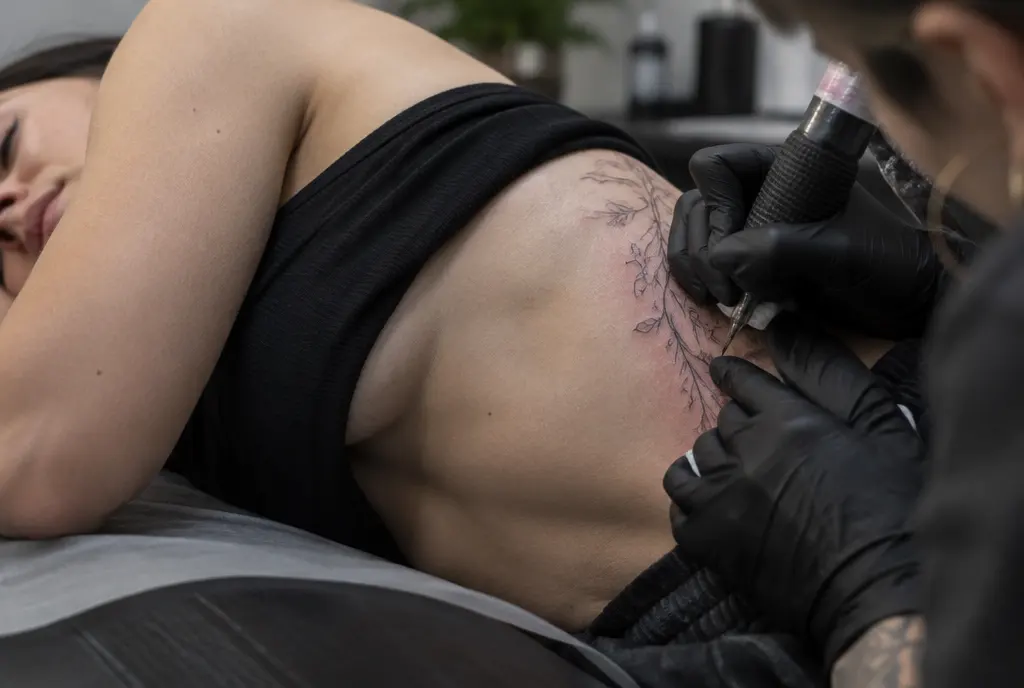
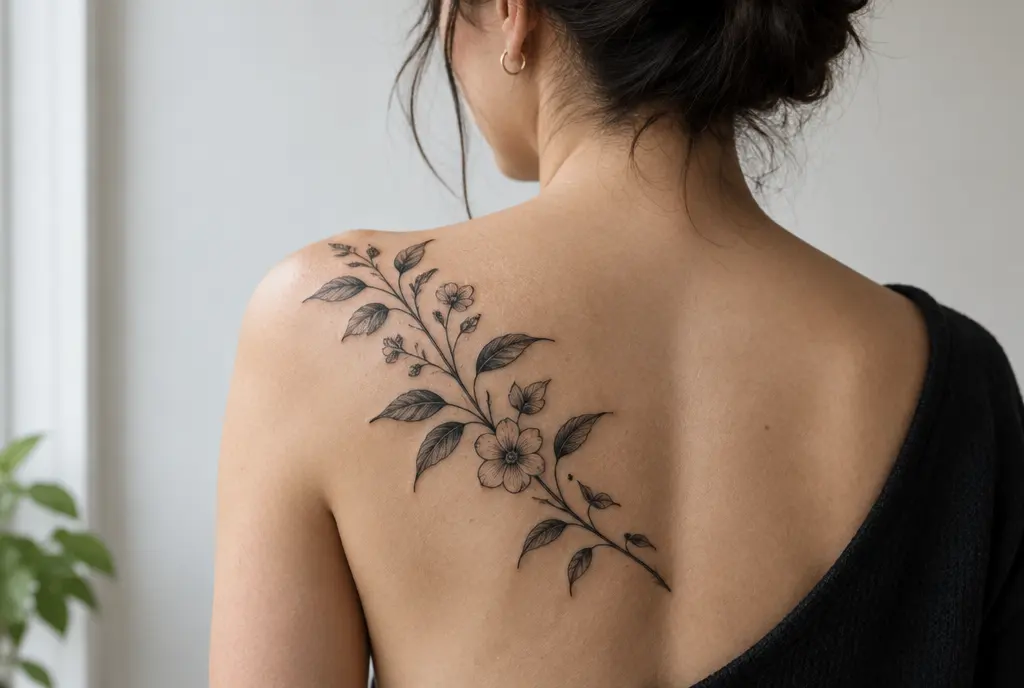
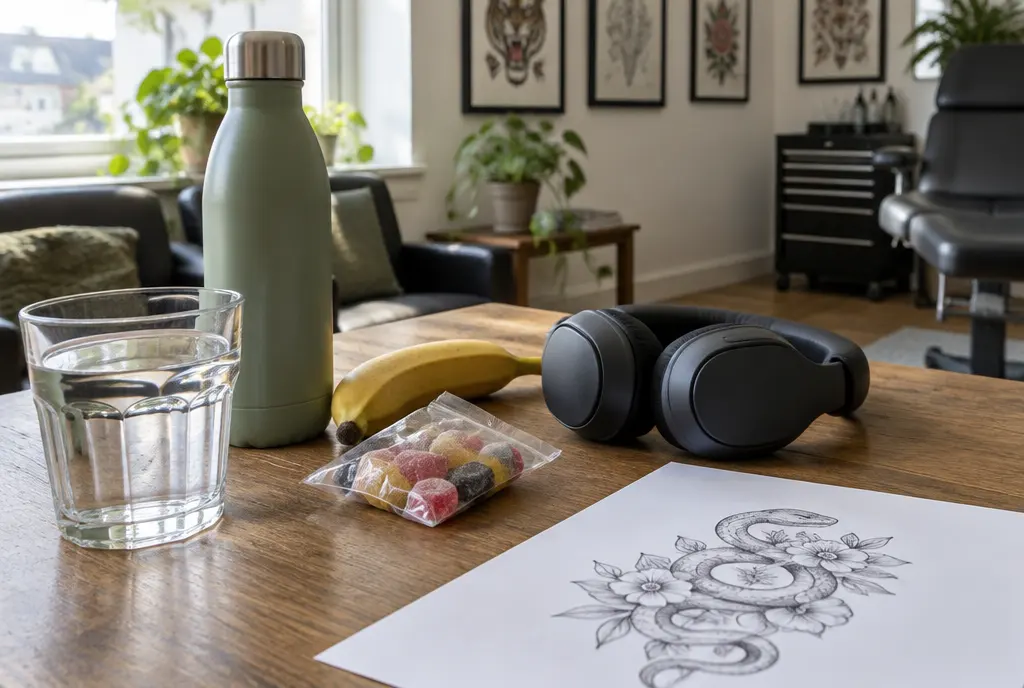
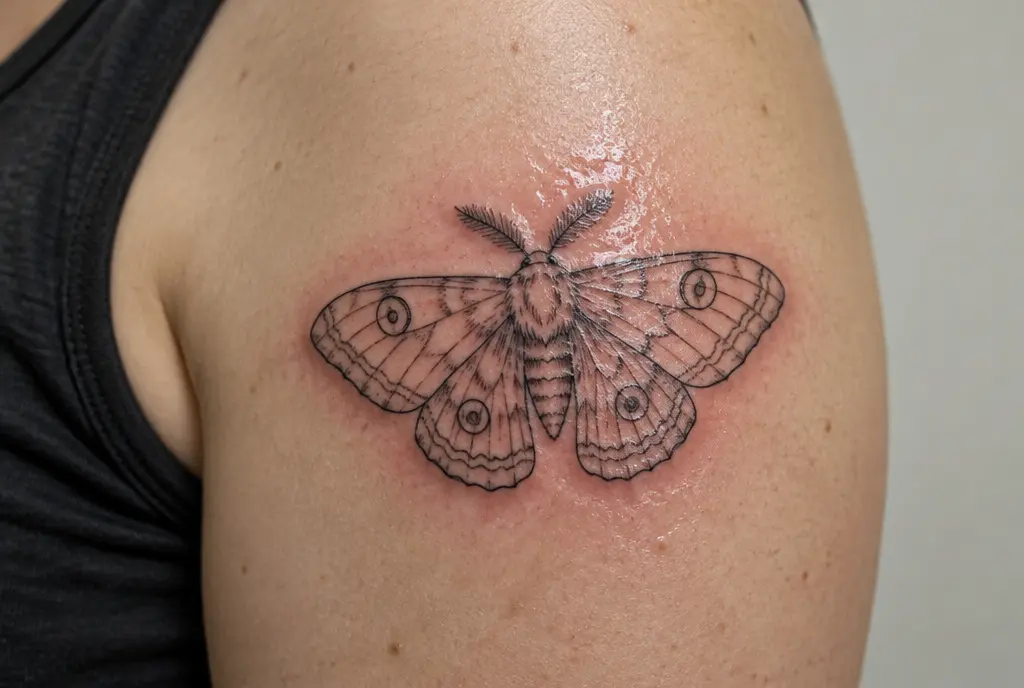
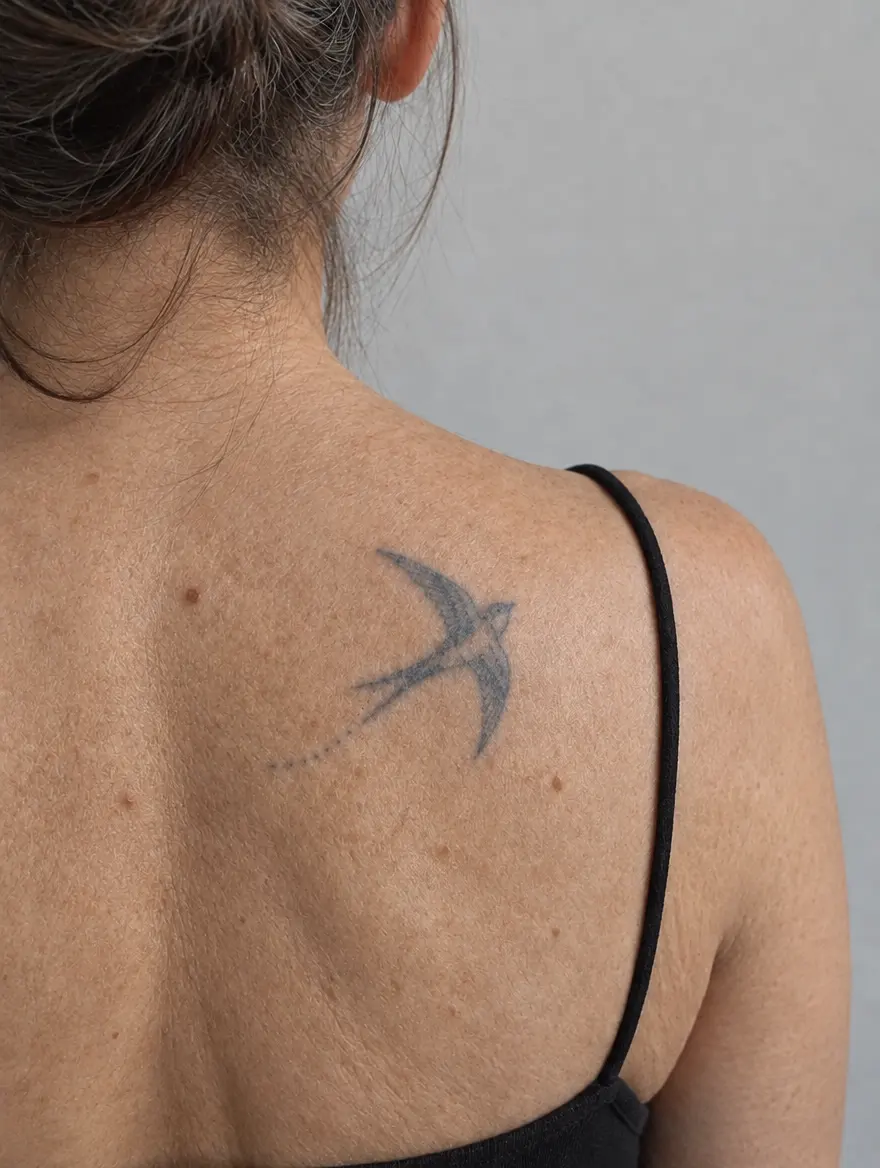
> A note on the pictures: the images in this article are illustrations made to show typical effects. They are not photos of real tattoos or clients.
Why rib tattoos hurt more than most spots
Tattoo pain depends on the person, the artist and the design, but some areas are hard for almost everyone, and the ribs are near the top of nearly every pain chart. There are three reasons, and they add up.
- Thin skin directly over bone. On the side of the ribcage there is very little fat or muscle between the skin and the ribs. Nothing absorbs the pressure of the needle, and many people feel its vibration travel into the bone itself.
- Lots of nerve endings close to the surface. The skin of the side and the chest is sensitive, and the area near the armpit and under the breast tends to be the most tender.
- It never stays still. Your ribs move every time you breathe. The artist has to work on a surface that rises and falls, and every deep breath stretches the skin that has just been worked on.
People usually describe rib pain as sharper and more “electric” than on the arm or thigh, with a rattling feeling where the needle crosses bone. Most also say it varies a lot within the area: the side ribs and the band under the breast are often the hardest, while the softer area lower down towards the waist can feel easier. Pain also tends to build the longer a session goes on, because the skin becomes raw and your body gets tired.
The ribs are one of the hardest spots to sit through and one of the easiest to keep looking good.
How rib tattoos age
The good news is the reason many artists like this placement. The main things that wear a tattoo down over the years are sun, friction and constant movement of thin skin, and the ribs avoid most of them.
Little sun is the big advantage
Ultraviolet light breaks down tattoo pigment slowly, and it is the single biggest reason tattoos fade. Hands, forearms and the backs of the legs get sun almost every day. The ribs are covered by clothing for most of the year, and even on the beach many people turn their arms and back to the sun more than their sides. That is why rib tattoos often keep their blacks and fine lines longer than tattoos in sunnier places.
Weight change, pregnancy and skin stretch
The other side of the coin is that the torso changes shape more than the limbs do. The skin over the ribs is not fixed in place like the skin on a shin, so a design there can widen, narrow or shift when the body changes.
- Weight change. Gaining or losing a moderate amount of weight slowly usually changes a rib tattoo very little. Large or fast changes can stretch a design or leave it looking slightly loose.
- Pregnancy. The lower ribs and the sides of the belly expand during pregnancy. Upper and side rib tattoos are often hardly affected, while designs that reach down towards the belly are more likely to stretch. Most skin settles back over the following months, though not always to exactly the same shape.
- Stretch marks. Where the skin stretches quickly, stretch marks can form, and if one runs through a tattoo it can break up the lines. Genetics play a big part in who gets them.
None of this is a reason to avoid the ribs, but it is worth thinking about timing. If you are planning a pregnancy soon or are in the middle of a big weight change, some people prefer to wait until things are stable. If the tattoo comes first, a skilled artist can usually adjust or touch it up later.

Best styles and sizes for the ribs
The ribs form a long, curved surface that runs diagonally around the body. Designs look best when they follow that curve instead of fighting it.
Script along the ribs
A short line of text along the ribcage is one of the most popular rib tattoos for a reason: it follows the natural curve and is easy to hide or show. The key is size. Very small, thin lettering tends to soften and close up over the years, especially letters like e, a and o. Many artists suggest letters of at least about 1 cm tall, with enough space between them, and fewer words rather than a long paragraph.
Fine line florals
Single-needle flowers, branches and botanicals that climb up the side of the ribs are another favourite. They suit the shape well and, thanks to the low sun, fine line holds up better here than on hands or wrists. Ask for slightly bolder main stems and simpler leaves, so the design still reads clearly when the finest details soften.
Larger pieces
The ribs and side are a great canvas for bigger work: a large floral, an animal, a Japanese piece or blackwork that wraps from the hip towards the armpit. Large pieces age well here because they have room for contrast. The trade-off is pain and time: a big rib piece usually means several sessions on a demanding spot.
Session length and breathing tips
Small rib tattoos, such as a short line of script, often take under an hour. Medium pieces may take two to three hours, and large ones are usually split over several sessions. Many artists keep rib sessions shorter than they would on an arm, simply because the spot is more tiring.
- Eat a proper meal beforehand and bring water and something sweet. Low blood sugar makes pain feel worse and can make you dizzy.
- Sleep well and skip alcohol the night before. Alcohol can increase bleeding, and a tired body tolerates pain less well.
- Breathe slowly and steadily. Long, even breaths keep the skin calmer than holding your breath and then gasping. Many artists will tell you when a long line is coming so you can breathe out slowly while they pull it.
- Ask for short breaks. A minute to stretch and reset every half hour or so makes a long session much easier. Good artists expect this on the ribs.
- Find a position you can hold. You will usually lie on your side with your arm above your head. Tell the artist if your arm or shoulder starts to cramp before it turns into wriggling.
- Talk about numbing creams first. Some studios allow them and some prefer not to, because they can change how the skin takes ink. Never apply one without asking.
Healing: clothing friction is the real challenge
The ribs heal at about the same pace as other spots: the surface usually settles within two to four weeks, while the deeper layers keep recovering for a few months. What makes this placement tricky is not the skin but what sits on top of it.
- Bra bands and underwire. The band of a bra runs right across the lower ribs. If your tattoo sits under it, wear a soft bralette or no bra at all for the first days, and avoid underwire until the skin has stopped peeling.
- Waistbands. Tight jeans, leggings and belts can rub the lowest part of a rib tattoo. High-waisted or loose trousers that sit above or below the design help.
- Tight tops and sportswear. Loose cotton shirts are the easiest option for the first two weeks. Skip intense workouts that make you sweat and twist for a few days.
- Sleeping. Many people sleep on their side, which means lying on the fresh tattoo. Try sleeping on the other side or on your back, and use a clean cotton T-shirt rather than bare skin on the sheets.
Friction matters because it can pull off flakes before they are ready, irritate the skin and sometimes lift ink out of a healing area, leaving patchy spots that need a touch-up. Breathing, laughing and coughing also move the skin, so expect a sore, tight feeling for the first week. That is normal; swelling or redness that gets worse after a few days, or heat and pus, is a reason to contact your artist or a doctor.
What to expect at 10, 20 and 30 years
Every tattoo softens a little with time as ink particles slowly spread in the skin. On the ribs that process tends to be gentle. As a rough guide, assuming good aftercare and no major body changes:
- After 10 years: most well-made rib tattoos look close to how they did once healed. Blacks are still strong; the finest lines may be very slightly softer.
- After 20 years: thin script and fine line details begin to blur a little, especially if letters were small or close together. Bolder pieces usually still look crisp. A light touch-up can sharpen lines that have spread.
- After 30 years: the design is softer overall, and natural skin ageing, weight changes or pregnancies may have shifted its shape slightly. Designs with good size, spacing and contrast still read well; very tiny details may have merged.
Compared with the hands, feet, fingers or the outer forearm, these changes are slow. The ribs are among the placements where a tattoo is most likely to still look like itself decades later.
See it before you commit
If you are unsure about the size of your script or how a fine line floral will hold up, it helps to see it first. InkAge lets you upload a photo of the spot and your design and see it fresh, healed and as it is likely to look after 10, 30 and 50 years. It is an estimate, not a promise, but it is a useful starting point for a conversation with your artist.
Nora, in the end, made her grandfather’s handwriting a little bigger than her first sketch and booked a single short session. She says the hour hurt more than anything she had done before. She also says she has never once regretted it.
Read alsoDoes a tattoo hurt? A pain chart for every part of the bodyThe short version
Rib tattoos hurt more than most spots because the skin is thin, sits directly on bone and moves with every breath. In return they age very well, mainly because the ribs see so little sun. Choose designs that follow the curve of the ribcage, keep lettering and details large enough, plan shorter sessions and breathe steadily, and keep bra bands and waistbands off the fresh tattoo while it heals. Do that, and a rib tattoo can stay sharp for decades.
Frequently asked questions
How bad does a rib tattoo hurt?
For most people it is one of the more painful placements, usually described as sharp with a vibrating feeling over the bone. Pain is personal, though, and it varies within the area: the side ribs and the band under the breast tend to be hardest, the lower area towards the waist easier. Shorter sessions and steady breathing make a real difference.
Do rib tattoos age well?
Generally, yes. The ribs are covered most of the year, so sun, the main cause of fading, rarely reaches them. The main risks are large weight changes and pregnancy, which can stretch a design, and very small lettering, which can blur over the decades.
How long does a rib tattoo take to heal?
The surface usually heals in about two to four weeks, while the deeper skin keeps recovering for a few months. Healing can take a little longer if a bra band, waistband or tight clothing keeps rubbing the area, so loose, soft clothing helps.
Can I wear a bra after a rib tattoo?
Yes, as long as it does not rub the tattoo. If the design sits under the band, many artists suggest a soft bralette or no bra for the first days, and avoiding underwire until the skin has stopped peeling, usually around two to three weeks.
Will pregnancy ruin a rib tattoo?
Usually not. Upper and side rib tattoos are often barely affected, while designs that reach down towards the belly are more likely to stretch. Most skin settles back in the months after birth, and if a stretch mark runs through the design, an artist can often touch it up or adjust it.
Sources
- Tattoo Pain Chart: Where It Hurts Most and Least (Healthline)
- What Does a Tattoo Feel Like? (Healthline)
- Tattoo Aftercare: How To Care for a New Tattoo (Cleveland Clinic)
- Stomach Tattoos After Pregnancy (Authority Tattoo)
- What To Wear When Getting a Rib Tattoo (Authority Tattoo)
- Ultimate guide to tattoo aftercare for sensitive body parts (Stories & Ink)
Written by the InkAge editorial team from widely accepted tattoo-care practice. Figures are rules of thumb, not measurements. This is general information, not medical advice — ask your artist or a dermatologist about your own skin.
Last updated: 8 November 2026