In short
- A tattoo looks its worst in the first weeks: swollen, shiny, darker, then flaky and cloudy. Judge it only once it has fully healed, after about four to six weeks.
- Many people feel a wave of doubt right after a new tattoo, and for a lot of them it passes. Separate a technical problem from a feeling before you decide anything.
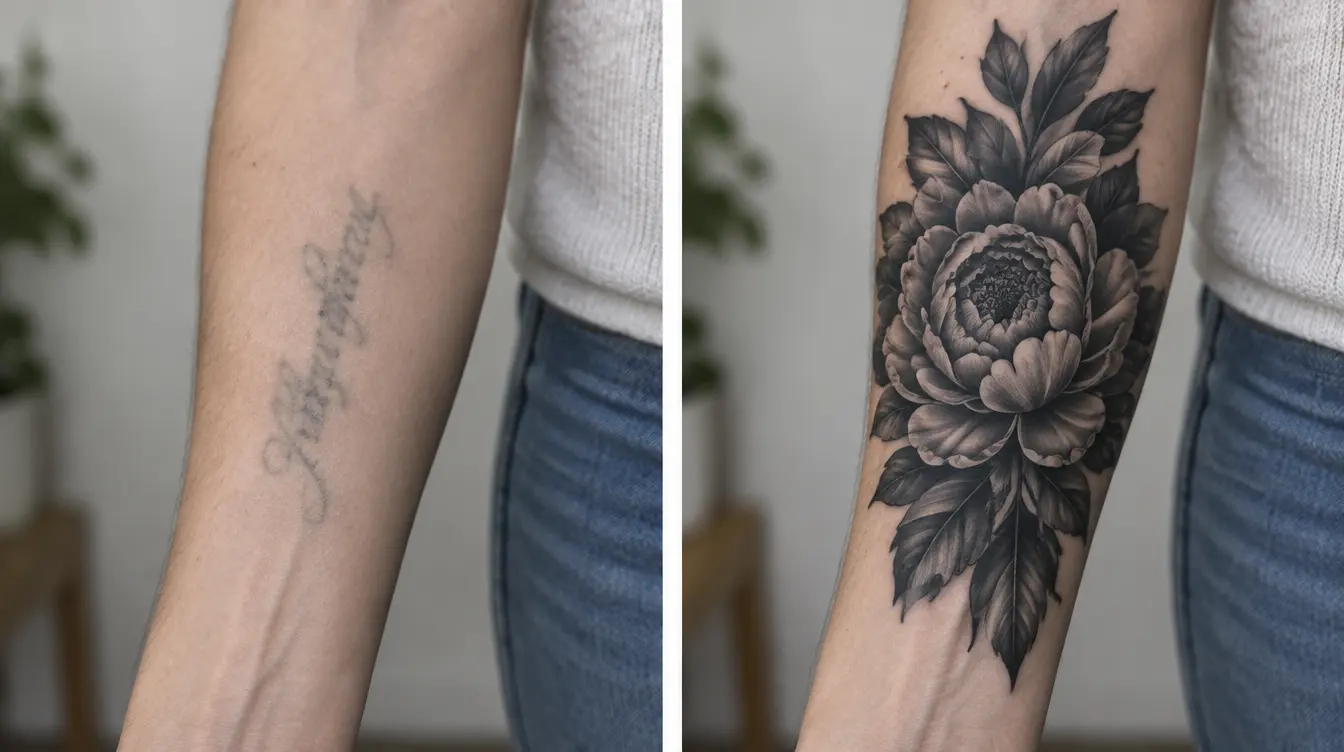
- Most problems have a fix: a touch-up or rework for lines and details, a cover-up for a design you no longer want, and laser for fading or full removal.
- Laser can usually start only once the skin has completely healed, often at least six to eight weeks after the tattoo. Creams and home methods do not work and can scar.
In this article 9
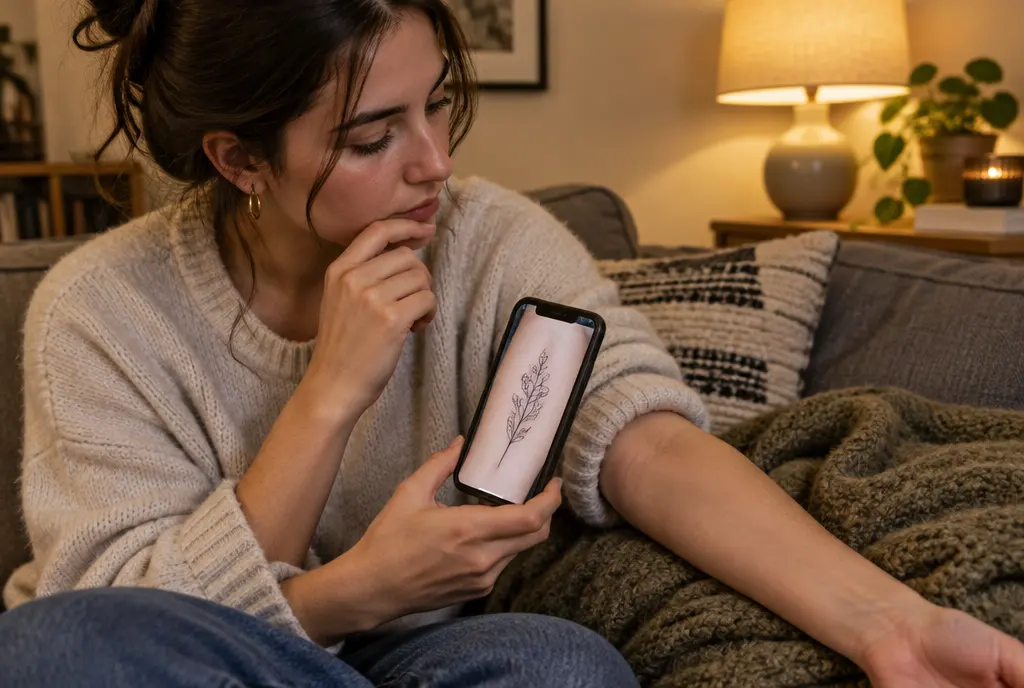
Mira was home by seven. The tattoo on her forearm, a line of small birds she had planned for a year, was wrapped in film, and she could not stop looking at it. Under the plastic it looked nothing like the drawing: the lines seemed thick, the skin around them red and puffy, one bird slightly lower than the others. By ten she was typing into her phone the question thousands of people type every week: how do you get rid of a tattoo you just got?
If that is where you are right now, take a breath. A few days, or even a few weeks, into a new tattoo is the worst possible moment to judge it, and almost the worst moment to act. This guide explains why fresh tattoos so often look wrong, how to tell a real problem from the normal healing process, what your options actually are, and what to do in the meantime so you do not make things harder to fix.
> A note on the pictures: the images in this article are illustrations made to show typical situations. They are not photos of real people or real results.
First: is it really a problem yet?
A tattoo is a controlled wound. In the first days the skin is swollen, so lines can look thicker and blurrier than they will be. Fresh ink sits in skin that is red and irritated, which makes everything look darker and harsher. Plasma and extra ink seep to the surface. None of this is the finished tattoo.
Then comes a phase most people are not warned about. After roughly the first week, the skin starts to flake and peel. Underneath, a thin new layer forms that can make the tattoo look dull, milky or faded, as if part of it had disappeared. This “cloudy” or “ghosting” stage can last a couple of weeks. It worries a lot of people, and in the vast majority of cases it simply clears.
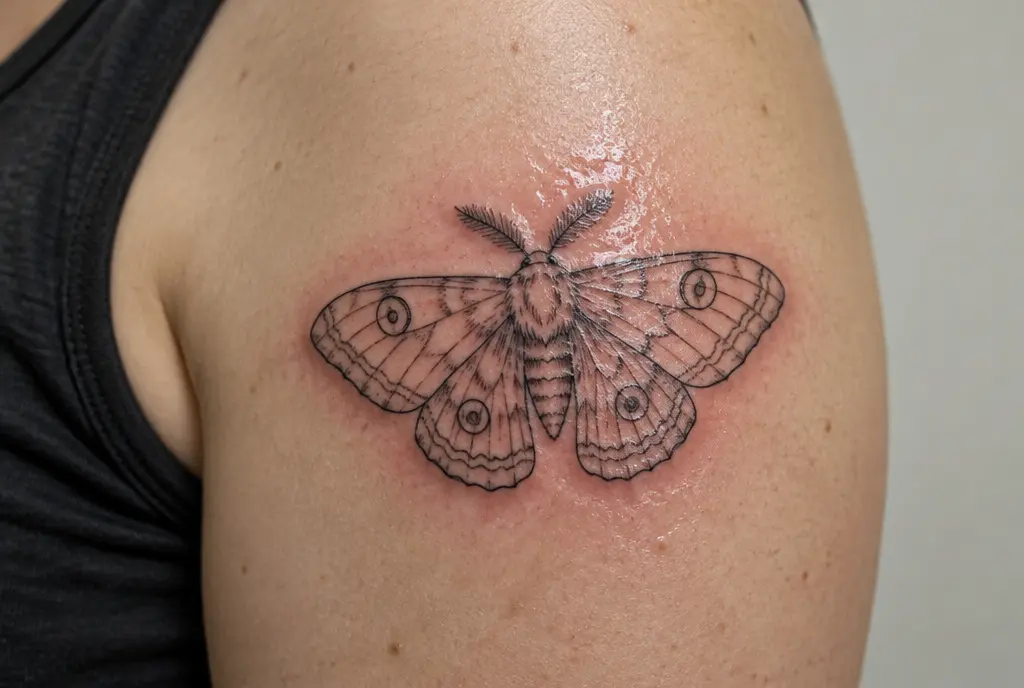
The surface usually looks healed after two to four weeks. The deeper layers take longer, often a couple of months. That is why most artists say the same thing: judge a tattoo only once it has fully healed, after about four to six weeks at the earliest. Lines settle, swelling goes down, colours even out, and the small bird that looked crooked on a swollen arm may look perfectly in place on a relaxed one.
Removal calculatorLaser tattoo removal calculator: how many sessions and what it costsRead alsoTattoo healing stages day by day: what is normal, with pictures from day one to month threeA fresh tattoo is a first draft your skin has not finished writing.
A feeling or a flaw?
Before you decide anything, it helps to ask an honest question: is something actually wrong with the tattoo, or is something wrong with how you feel about it?
Doubt right after a tattoo is extremely common. It is permanent, it is new, it is on your body, and you see it every time you wash your hands. Many people describe a few days or weeks of “what have I done” that slowly turns into “I can’t imagine my arm without it”. Others feel exactly the same on day one and still feel it six months later. Both are normal; the difference is time.
A useful way to sort it out is to write down, in one or two sentences, what bothers you. Then check which group it falls into:
- Technical problems: a wobbly or broken line, uneven shading, a patch that healed lighter, ink spreading under the skin (a blowout), a spelling mistake, a design placed off-centre.
- Design problems: it is too small or too thin, the style is not what you pictured, the placement feels wrong, it looks different on the body than on paper.
- Meaning problems: a name, a date, a symbol or a decision you no longer want to carry with you.
Each group has a different answer, and the right answer is rarely “remove it immediately”.
Talk to your artist first
If the problem is technical, the first person to talk to is the artist who did it, once it has healed. Most reputable studios offer a free or low-cost touch-up within a certain time for things that healed unevenly or patchily. Some will also adjust a line, darken an area or add a small element to balance a design.

Go with photos taken in good daylight and a calm, specific description: “this line healed thinner here”, “this area looks patchy”. You will get much further than with an angry message sent on day three, when nobody, including the artist, can judge the result yet.
If you have lost trust in that artist, or the mistake is serious, that is fine too. Another experienced artist can assess it, ideally someone with healed examples of repair work in their portfolio.
Your options, from small to big
Once the tattoo has healed and you still want a change, these are the realistic paths. They are listed roughly from the smallest step to the biggest.
1. Touch-up
Filling in patches that healed lighter, sharpening a line, evening out a gradient. This is a normal part of tattooing and often solves more than people expect.
2. Rework
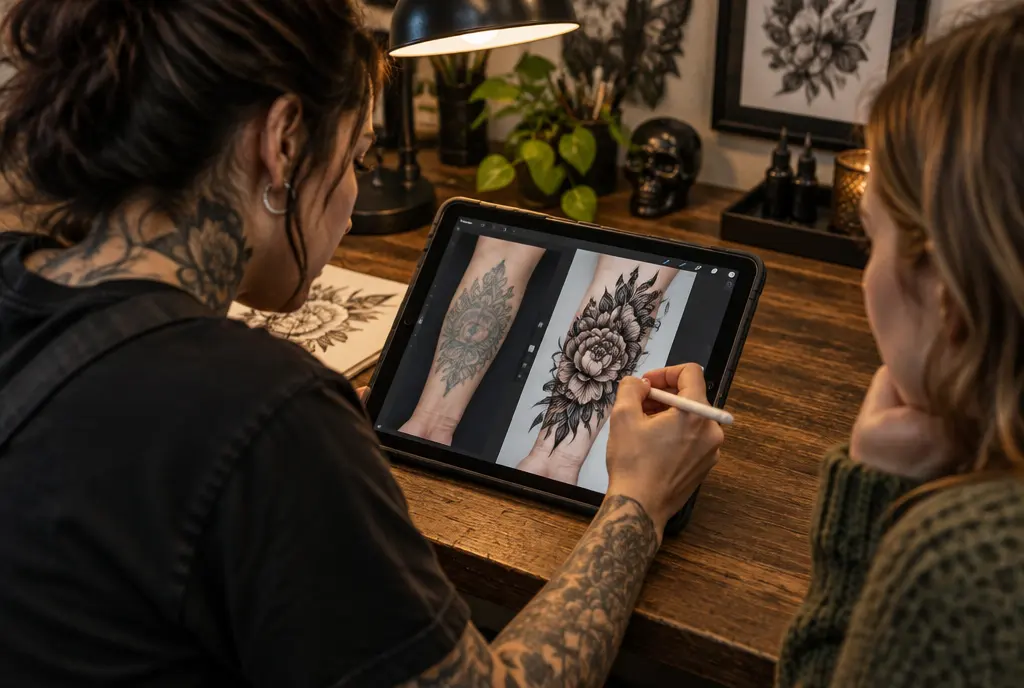
Changing or adding to the design while keeping it: thickening thin lines, adding shading or background, extending it so the proportions work. A design that feels too small or too delicate can often be turned into something you love by building around it.
3. Cover-up
A new, usually larger and darker design placed over the old one so it hides inside it. Covering a fresh, dark tattoo is harder than covering an old faded one, because the ink is still at full strength. Many artists prefer to wait until it has fully healed, and for bold work they may suggest a few laser sessions first to fade it.
4. Laser fading or removal
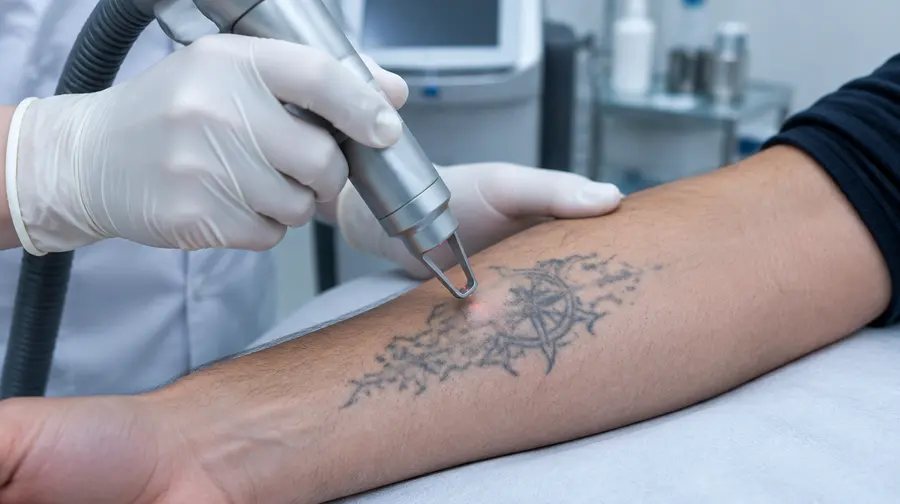
Laser breaks the ink into smaller particles that the body clears away over the following weeks. Several sessions are needed, spaced weeks apart. It can fade a tattoo enough for a cover-up, or aim to remove it as fully as possible.
How soon can you start laser?
This is the question most people in the first-week panic want answered, and the honest answer is: not yet. The skin has to finish healing before it can be treated again. Many clinics want at least six to eight weeks after the tattoo, and some prefer to wait longer. Treating a wound that is still healing increases the risk of blistering, scarring and pigment changes.
Waiting does not make the tattoo harder to remove. Fresh, professional ink responds to laser in the same way as ink that is a few months old. Every week you wait is spent letting the skin recover, which is exactly what a good removal needs.
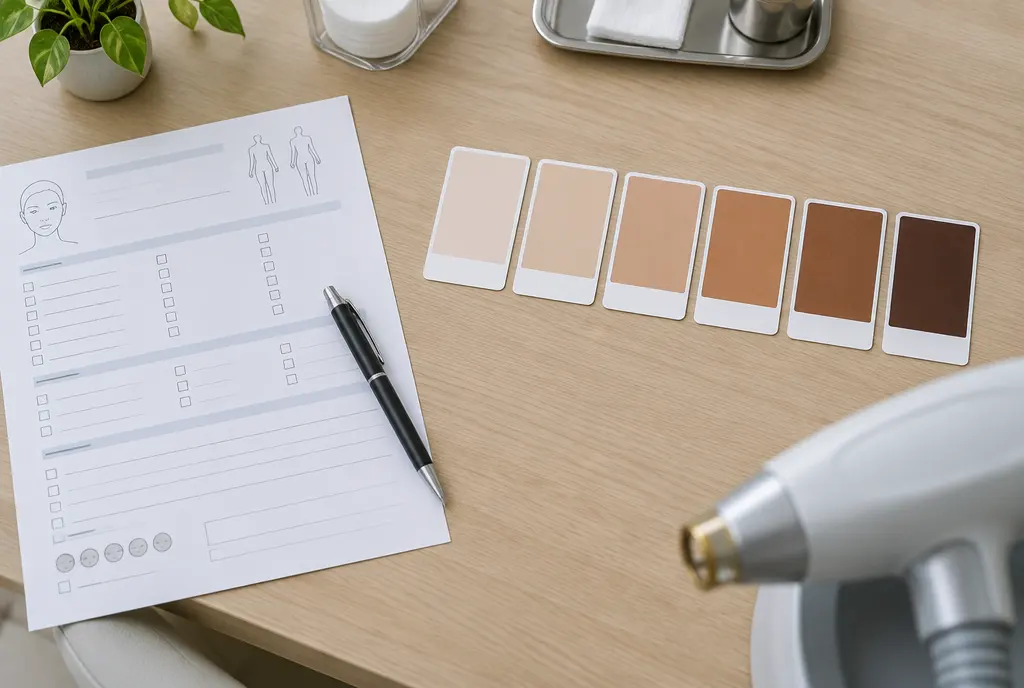
When you do go, choose a clinic with medical supervision and experience with tattoo removal, not a beauty salon with a single device. Ask how many sessions they estimate for your tattoo, what it costs per session, and how they handle your skin type. A fresh tattoo is often a smaller job than an old, dense one, but it is still a job of several months.
What not to do
When you desperately want something gone, the internet is full of bad ideas. These are the ones that cause the most damage:
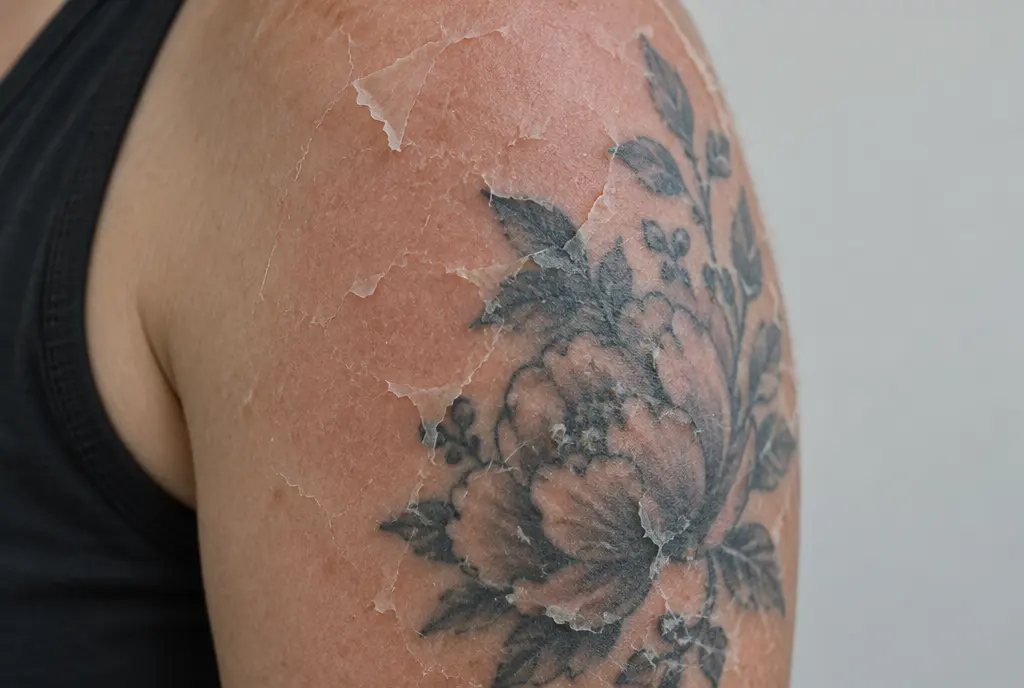
- Do not scrub, pick or peel it. Scratching off flakes or scabs pulls ink out unevenly and can leave scars and patchy spots that are much harder to fix than the original tattoo.
- Do not use removal creams, salt, lemon or acids. Tattoo ink sits deep in the dermis. Anything that reaches it from the surface has to destroy the skin on the way, which is how chemical burns and scars happen.
- Do not let it get sunburned on purpose. Sun on a healing tattoo fades it unevenly and damages the skin, and a burn makes any later laser treatment riskier.
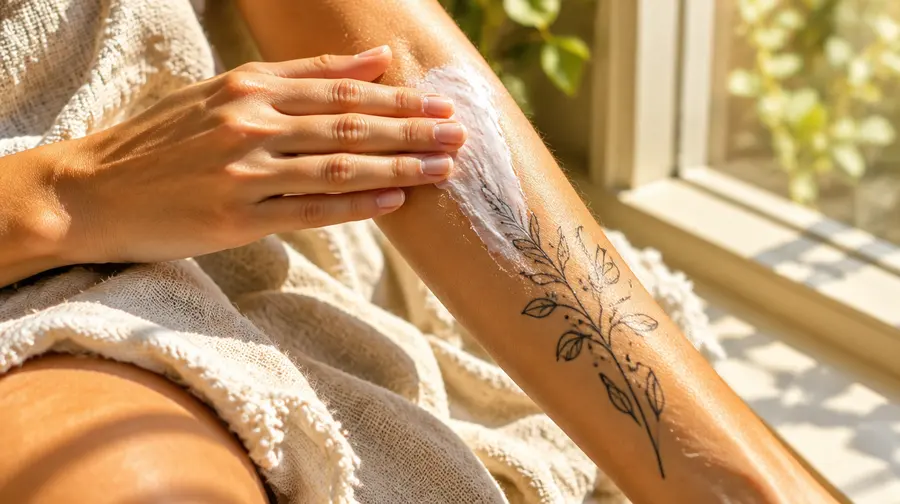
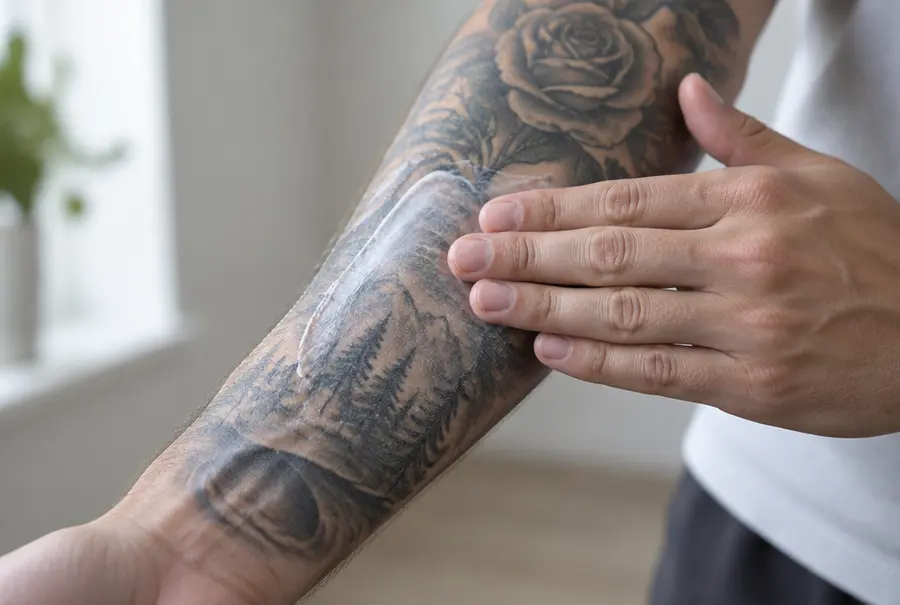
- Do not stop aftercare. Even if you hate it, heal it well: keep it clean, use a thin layer of ointment or lotion, protect it from the sun. A well-healed tattoo is far easier to rework, cover or remove than a damaged one.
- Do not rush into a cover-up on fresh skin. Tattooing over skin that has not healed adds trauma to trauma, and the result is often worse than either tattoo alone.
A simple plan for the first three months
If you are in the first days of regret, this is a calm order of steps that keeps every option open:

- Weeks 1 to 4: heal it properly, as if you loved it. Take one photo a week in the same light.
- Weeks 4 to 6: look at it again, healed. Write down what still bothers you and which group it falls into: technical, design or meaning.
- Weeks 6 to 8: talk to your artist about a touch-up or rework, or book a consultation with another artist or a removal clinic.
- From about week 8: if you decide on laser, start once the clinic confirms the skin has fully healed. For a cover-up, follow the artist’s advice on whether fading comes first.
Mira followed almost exactly this plan. By week five the swelling was long gone and the birds looked lighter and finer than she had feared. One of them still sat lower than the rest. Her artist added a small branch under it, and the line of birds suddenly made sense. She now says the hardest part was not the fix. It was not deleting the tattoo in her head on the first night.
Read alsoTouch-ups: when and why to refresh a tattooWhen regret does not pass
Sometimes the feeling does not fade. A name you no longer want, a symbol that now means something else, a tattoo on a hand or neck that is affecting your work: these are real reasons, and laser removal is a legitimate choice, not a failure. Starting early in a tattoo’s life is not a disadvantage, and many people reach a level of fading that lets them either live with it or cover it with something new.
If you are unsure what you want, it can help to look ahead instead of only at today. With InkAge you can upload a photo of your tattoo and see how it may look in ten, twenty or fifty years, and also how it might look after a few laser sessions. Seeing the long view often makes the next step clearer.
Frequently asked questions
How long should I wait before judging a new tattoo?
At least until it has fully healed, usually about four to six weeks. Before that, swelling, redness, peeling and the cloudy healing stage can make lines look thicker, colours darker or parts of the design look faded.
How soon can a new tattoo be removed with laser?
Only once the skin has completely healed. Many clinics want at least six to eight weeks after the tattoo, and some prefer longer. Treating a tattoo that is still healing raises the risk of blisters, scarring and pigment changes.
Is a new tattoo easier to remove than an old one?
Not necessarily. Fresh professional ink is at full strength, so it still needs several laser sessions. Waiting a few weeks for the skin to heal does not make it harder to remove; it makes the treatment safer.
Can a tattoo artist fix a tattoo I don’t like?
Often, yes. After healing, uneven lines and patchy areas can be touched up, and a design that feels too small or thin can be reworked or extended. If you want the design gone, a cover-up or laser fading followed by a cover-up are the usual options.
Do tattoo removal creams work on a new tattoo?
No. Tattoo ink sits deep in the dermis, and anything strong enough to reach it from the surface damages the skin on the way. On fresh, healing skin the risk of burns and scars is even higher.
Sources
- U.S. Food and Drug Administration: Tattoo Removal: Options and Results (2023)
- Mayo Clinic: Tattoo removal
- Healthline: How long does a tattoo take to heal?
- Cleveland Clinic: Tattoo aftercare tips from a dermatologist
- The Independent via Yahoo: Names and tribal motifs named the most regretted types of tattoo (University of Portsmouth study, 2018)
Do you run a laser clinic? Show guests their own tattoo after 3, 6 and 10 sessions
Written by the InkAge editorial team from widely accepted tattoo-care practice. Figures are rules of thumb, not measurements. This is general information, not medical advice — ask your artist or a dermatologist about your own skin.
Last updated: 10 November 2026