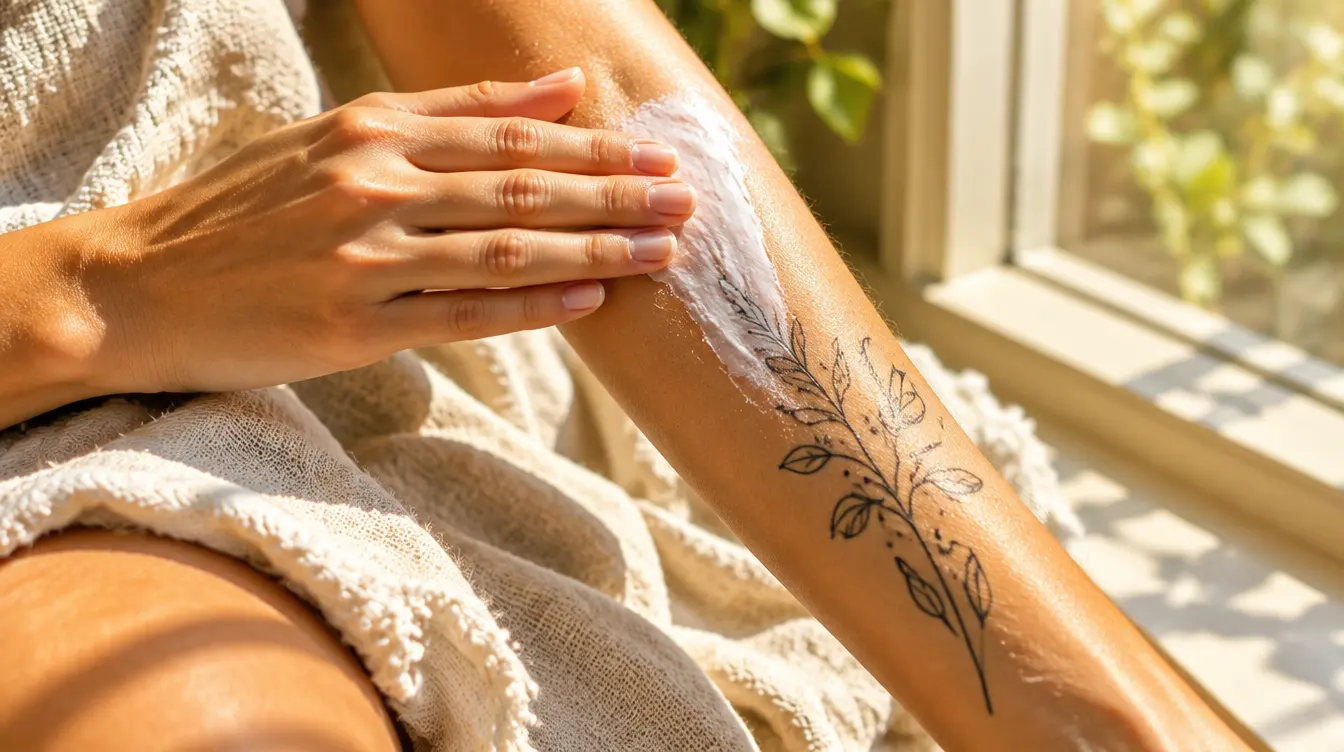
In short
- Tattoo removal creams do not remove tattoos. The ink sits in the dermis, below the outer layer of skin, where a cream cannot reach it. The FDA has not approved any removal cream or do-it-yourself kit and says it knows of no evidence that they are safe or effective.
- Home methods such as salt scrubs, lemon juice, strong acids and laser pens bought online mainly damage the skin above the ink. Doctors have reported chemical burns that needed skin grafts, and the usual result is a scar with the tattoo still visible underneath.
- Non-laser options do exist in professional hands: saline removal in studios, surgical excision and dermabrasion. Each has a real place, but also a clear trade-off, mostly a higher risk of scarring or a scar by design.
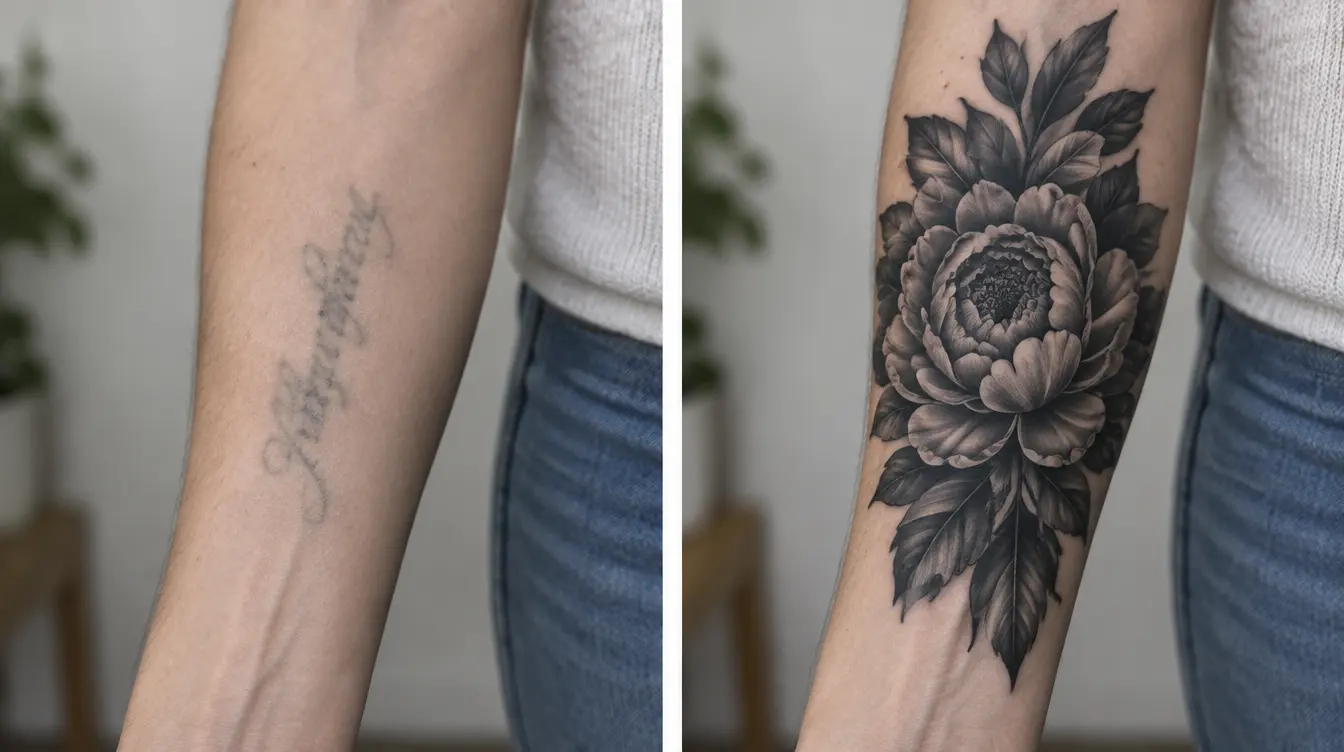
- If you want a new tattoo over the old one, you often do not need full removal. A few laser sessions to fade the old ink can be enough for a much better cover-up.
In this article 12
- The short answer
- Where tattoo ink actually sits
- What removal creams actually do
- Salt, lemon, acids and other home recipes
- Home laser pens and DIY devices
- What goes wrong, and why it is hard to fix
- The professional non-laser options
- Why laser is still the reference point
- When fading for a cover-up makes sense
- If you have already tried a cream
- What it means for you
- Frequently asked questions
Jonas found the ad late one evening, scrolling on his phone. A small tube, a before-and-after photo of a faded name on a forearm, and a promise that sounded perfect: remove your tattoo at home, no laser, no pain, results in weeks. He had been thinking about the name on his own forearm for two years, ever since the relationship ended. The cream cost less than one laser session, so he ordered it.
He followed the instructions for nine weeks. Rub it in twice a day, sometimes scrub the skin first so the cream could work deeper. By week four the skin was red and flaky. By week seven it had peeled twice, and there were patches that looked shiny and lighter than the rest of his arm. The name was still there, every letter. If anything, it now stood out more, framed by irritated skin.
Jonas is not unusual. "Tattoo removal cream" and "does it work" are among the most common things people search when they start to regret a tattoo, in English and in many other languages. The honest answer is short, but the reasons behind it are worth knowing, because they also explain why salt, lemon, acids and cheap home lasers fail in the same way, and what you can do instead.
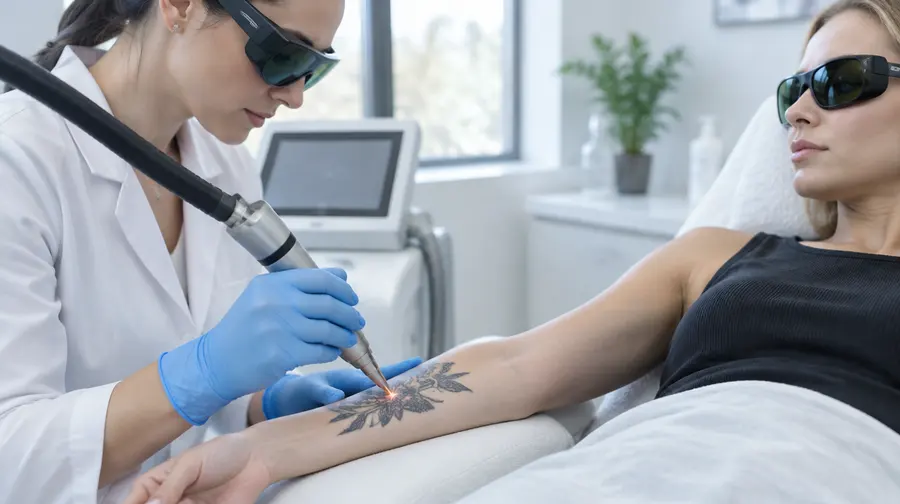
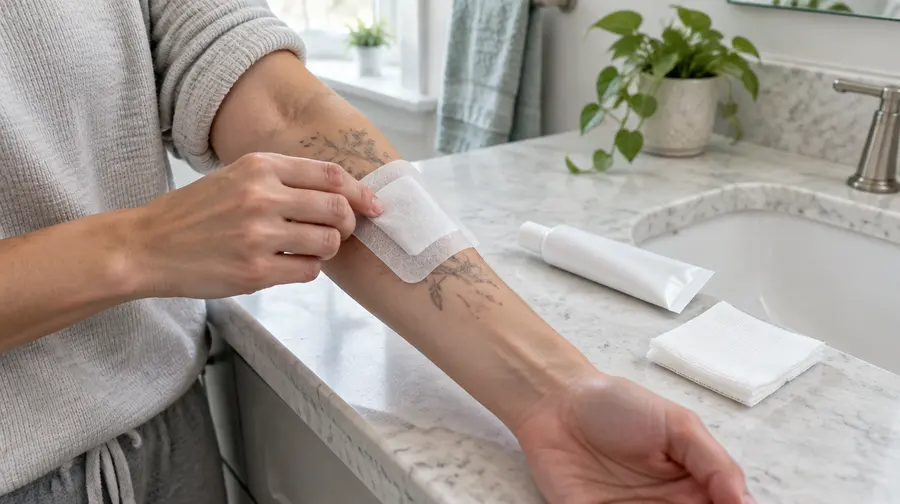
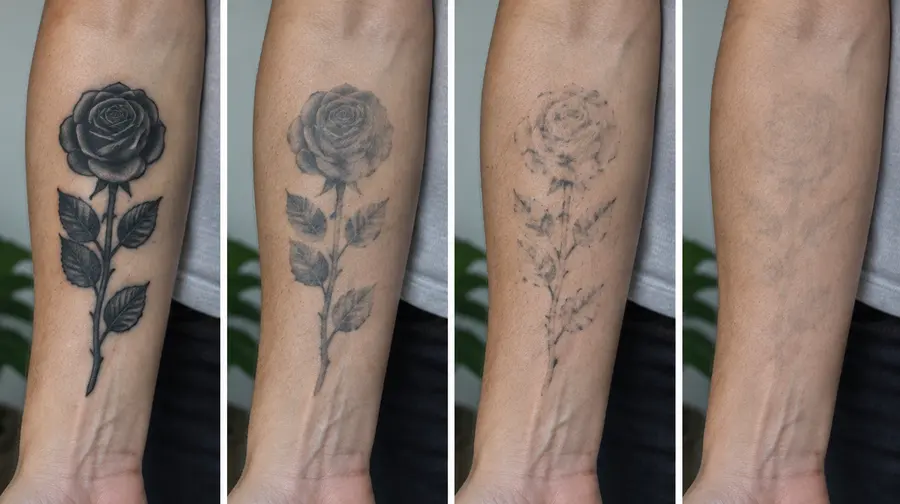
> A note on the pictures: the images in this article are illustrations made to show typical situations. They are not photos of real patients or real treatment results.
The short answer
No, tattoo removal creams do not remove tattoos. At best they lighten the skin around the tattoo a little or make it peel. At worst they cause chemical burns and scars, and the tattoo is still there. In the United States the Food and Drug Administration (FDA) states that it has not approved any tattoo removal ointments, creams or do-it-yourself kits, and that it is not aware of any evidence that they are safe or effective.
This is not about one bad brand. It comes down to where tattoo ink sits in your skin, and that does not change whichever product you buy.
Removal calculatorLaser tattoo removal calculator: how many sessions and what it costsRead alsoLaser tattoo removal: what to really expectWhere tattoo ink actually sits
Your skin has two main layers. The outer one, the epidermis, is thin: on much of the body it is only about a tenth of a millimetre thick. It renews itself constantly, and its cells are shed and replaced every few weeks. Below it lies the dermis, a thicker, stable layer with collagen, blood vessels and nerves.
A tattoo needle places ink in the dermis, usually somewhere around one to two millimetres deep. That is exactly why tattoos are permanent. Ink left in the epidermis would simply flake off with the skin within weeks, which is what happens to some of the excess ink while a new tattoo heals. The ink that stays is held in the dermis, much of it inside immune cells that have taken it up and cannot break it down.
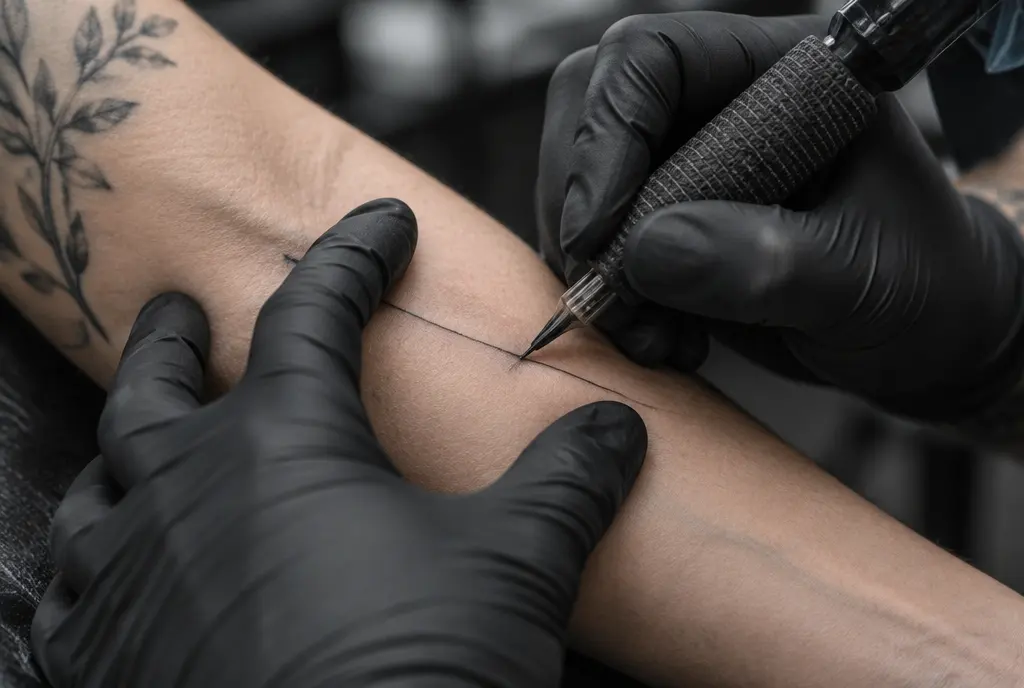
Now think about a cream. It is applied to the surface, on top of the epidermis. To change the ink, whatever is in the cream would have to pass through the whole outer layer, into the dermis, and then break up or carry away pigment particles that the body itself has not managed to clear in years. The FDA puts it plainly: these products cannot reach tattoo pigment in the deeper dermis.
A cream works on the surface. Your tattoo is not on the surface.
What removal creams actually do
Products sold as tattoo removal or "fading" creams vary, and many do not list a clear active ingredient. Broadly, they tend to fall into a few groups:
- Peeling and exfoliating creams. These use acids or other agents to make the top layer of skin shed faster. The skin peels, looks raw, and the tattoo can seem a little lighter for a while because you are looking at it through irritated, swollen skin. The ink itself has not moved.
- Skin-lightening creams. Some contain ingredients that reduce the skin’s own pigment. They can lighten the skin around the tattoo and leave a pale halo, which often makes the dark ink stand out even more.
- Creams with strong acids. Some products, or the "pro" versions sold online, contain acids such as trichloroacetic acid (TCA) at concentrations meant for a doctor’s office, not for unsupervised use at home. These do reach deeper, but by destroying skin, not by targeting ink.
The before-and-after photos in the ads are another story. They are rarely independent, and it is easy to make a tattoo look lighter with lighting, a fresh peel or a photo taken on irritated, swollen skin. None of them is a substitute for an independent study, and there are no such studies showing that a cream removes tattoos.
Salt, lemon, acids and other home recipes
Search for how to remove a tattoo at home and you will find a long list: rubbing salt into the skin, lemon juice, hydrogen peroxide, vinegar, sandpaper, even pressing a hot object onto the tattoo. All of them work on the same idea: if you damage the top of the skin enough, maybe the ink will come out with it.
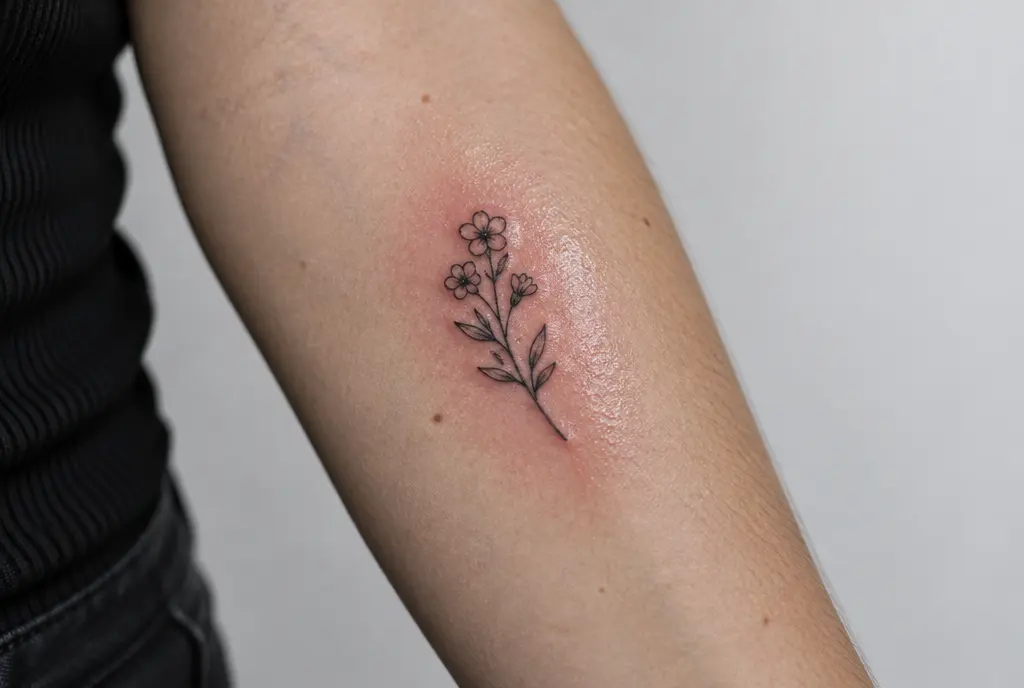
Scrubbing salt into the skin is actually an old medical method called salabrasion. Doctors used it before modern lasers existed. It was dropped because the results were unpredictable and scarring was common, and it was done under local anaesthetic with a sterile technique. Doing the same thing on your kitchen table adds infection to the list of risks.
Lemon juice and hydrogen peroxide mainly bleach and irritate the surface. They do nothing to ink in the dermis, but on sun-exposed skin lemon juice can cause a burn-like reaction, and repeated use dries and damages the skin.
Strong acids are where it becomes dangerous. Burn surgeons in Wales described a young patient who bought a chemical peel online, sold as "100% TCA" and advertised as suitable for tattoo removal. The burns were so deep that the patient needed surgery and skin grafts. Other case reports describe deep wounds after people applied acetic acid they had read about in online forums. In every case the doctors had to treat a chemical burn first, and the tattoo was still partly visible afterwards.
Home laser pens and DIY devices
A newer trend is the handheld "picosecond" or "laser" pen, sold online for a fraction of the price of one clinic session. They look like a medical device and often use the same words as professional lasers.
Real tattoo removal lasers are large, powerful machines that deliver extremely short pulses at specific wavelengths matched to ink colours, with settings adjusted to your skin type. In the United States they are cleared for use by, or under the supervision of, a health care professional, and in many countries their use is restricted by law to trained staff or doctors. A cheap pen cannot deliver the same kind of pulse. What it can do is heat the skin, and in practice that means burns, blisters, pale or dark patches and scars, without much effect on the ink.
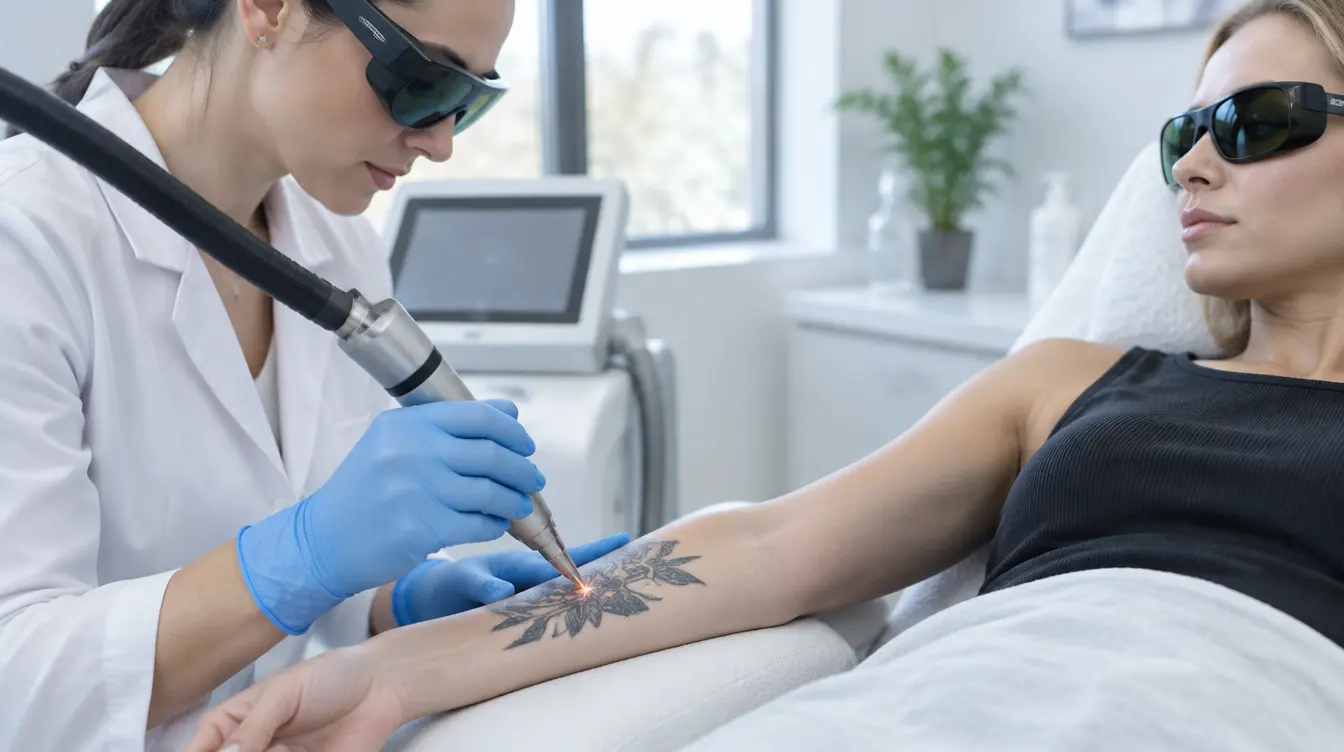
There is also a safety issue beyond your arm. Laser light can damage the eyes, which is why clinics use protective glasses for everyone in the room. A home device used without proper eye protection puts your sight at risk as well as your skin.
What goes wrong, and why it is hard to fix
Most failed home attempts end in some mix of the same problems:
- Burns and open wounds. Chemical and heat burns over a tattoo are hard to judge, because the ink hides how deep the damage goes.
- Scars. Raised (hypertrophic) scars, flat shiny scars and, in some people, keloids that grow beyond the original area.
- Colour changes. Pale patches where the skin’s pigment cells were damaged, or dark patches after inflammation, especially if the area sees sun.
- Infection. Open skin treated at home, without sterile conditions, is an easy entry point for bacteria.
- A tattoo that is still there. This is the most common outcome of all. The ink sits under the damage, now combined with a scar.
That last point matters for what comes next. Scar tissue is harder to treat with laser, can need more careful settings and more sessions, and is harder to tattoo over cleanly. A failed DIY attempt can make professional removal or a cover-up slower, more expensive and less predictable than if you had left the skin alone.
The professional non-laser options
There are ways to remove or fade a tattoo without a laser. They belong in trained hands, and each comes with honest trade-offs.
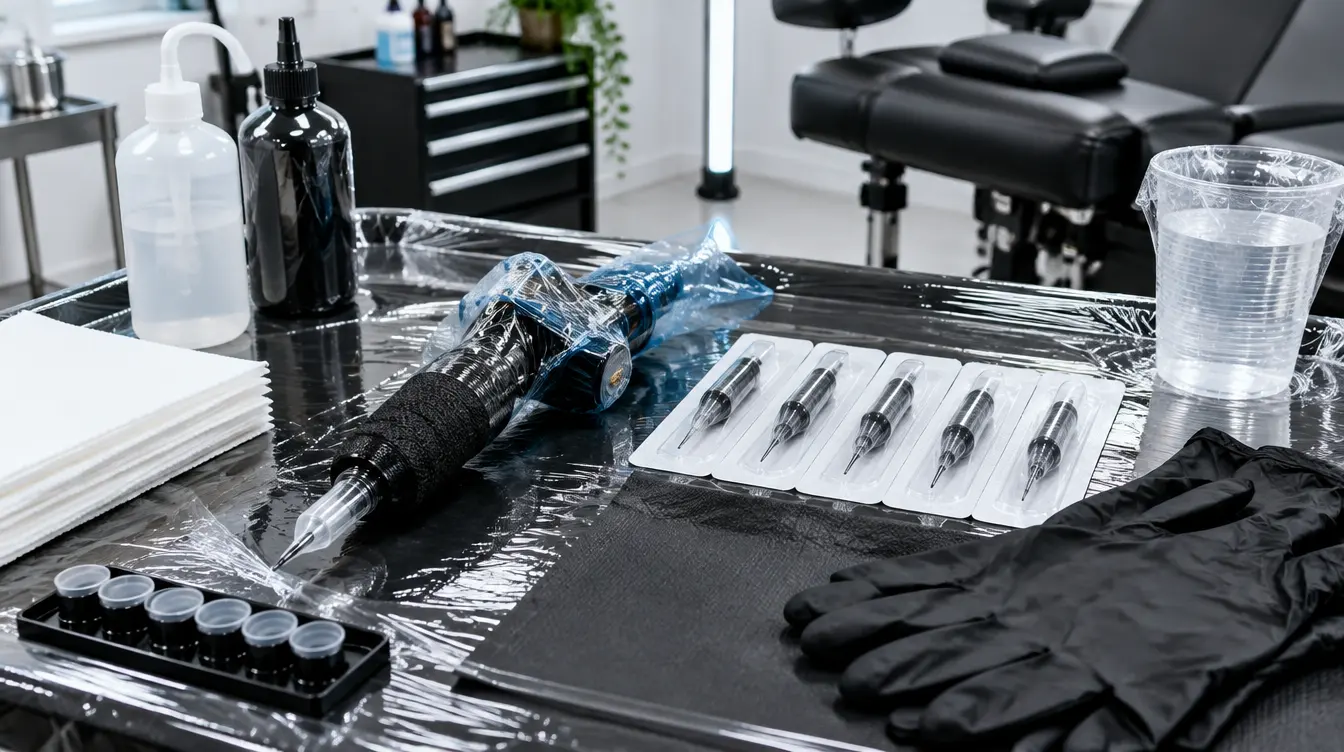
Saline (non-laser) removal in studios
Saline removal, sometimes sold as "non-laser tattoo removal", is offered by many tattoo and permanent make-up studios. The technician uses a tattoo machine to work a strong salt solution into the tattooed skin. The idea is that the treated area forms a scab that lifts some of the ink out as it heals. Sessions are spaced several weeks apart.
- Where it can make sense: small areas of fairly superficial ink, above all permanent make-up such as eyebrows, where many lasers are awkward to use, and some colours that respond poorly to laser.
- The trade-offs: each session is essentially a controlled wound, much like being tattooed again. Results are hard to predict, controlled studies are lacking, and scarring and colour changes are real risks, especially with repeated sessions on the same spot. For larger body tattoos, many dermatologists consider laser the better choice.
- Who does it: in many countries this is done in studios rather than clinics, and the rules on training differ. Ask how many removals the person has done, and to see healed results, not just fresh photos.
Surgical excision
A surgeon cuts out the tattooed skin and stitches the edges together. It is the only method that removes all of the ink in one go, and it can be a good option for a small tattoo in a place where the skin can be closed easily. The trade-off is built in: you swap the tattoo for a scar, usually a thin line that is longer than the tattoo itself. Larger tattoos may need several staged operations or a skin graft, which is why excision is rarely used for them.
Dermabrasion
Dermabrasion means "sanding" away the upper layers of skin with a rotating abrasive tool, under anaesthetic. It can remove some ink, but the FDA notes that the results of dermabrasion and similar methods are highly variable, with a greater potential for scarring and unwanted cosmetic effects. Since modern lasers became common, it is used far less for tattoos.
Why laser is still the reference point
None of this means laser is easy. It takes many sessions, often around six to twelve for a professional tattoo, spaced weeks apart, and it can hurt and cost a lot. But it is the only widely used method that breaks the ink into particles small enough for the body to clear, while trying to spare the skin around it. When it is done by a trained professional with the right equipment, the FDA describes laser removal as able to be safe and effective.
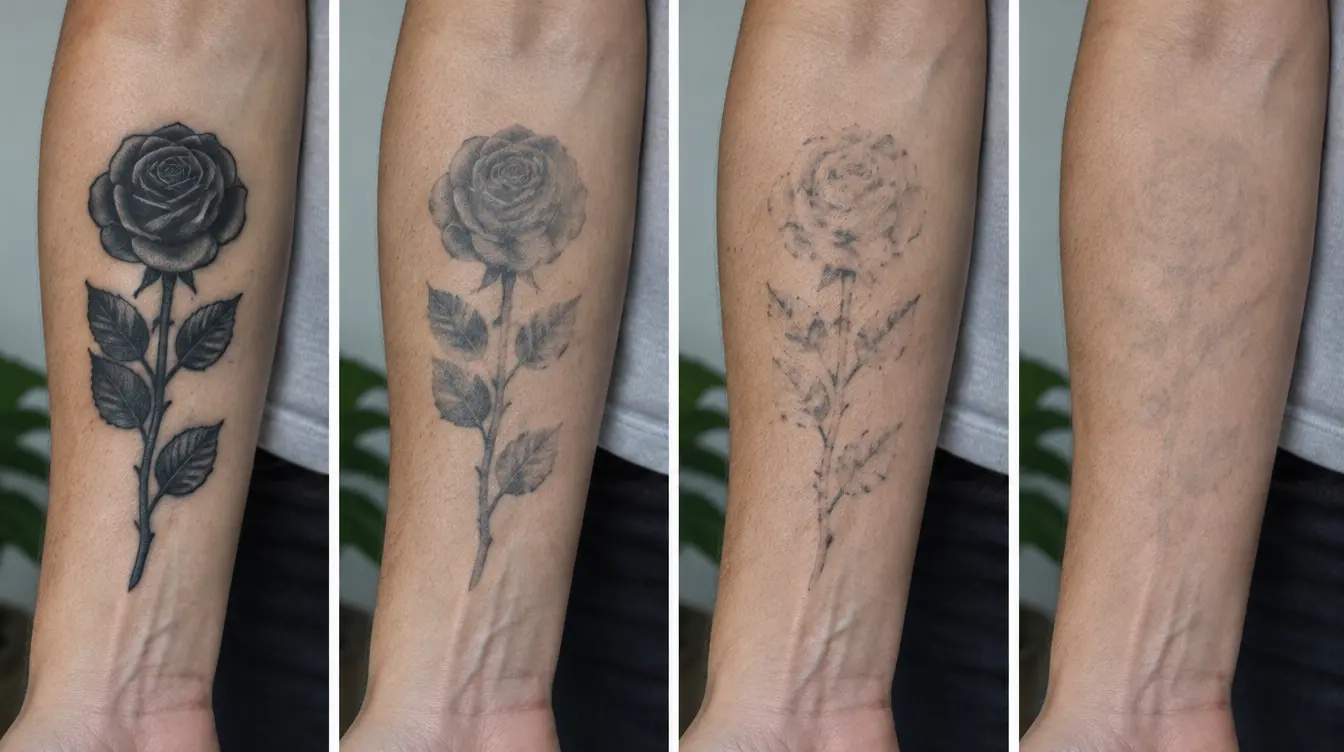
Even laser does not always remove every trace. Some colours fade slowly, and a faint shadow or skin colour change can remain. But compared with a cream, a recipe or a home pen, it is in a different category: it was designed to reach the ink where it actually is.
When fading for a cover-up makes sense
Many people searching for a removal cream do not really want empty skin. They want the old tattoo gone so they can have something else there. In that case, full removal is often more than you need.
A cover-up artist works best when the old ink is lighter than the new design. A few laser sessions to fade the old tattoo, often around two to five instead of the six to twelve for full removal, can make a big difference to what the artist can do. The new tattoo can then be smaller, use more open space and lighter shading, and does not have to be a heavy dark block just to hide what is underneath.
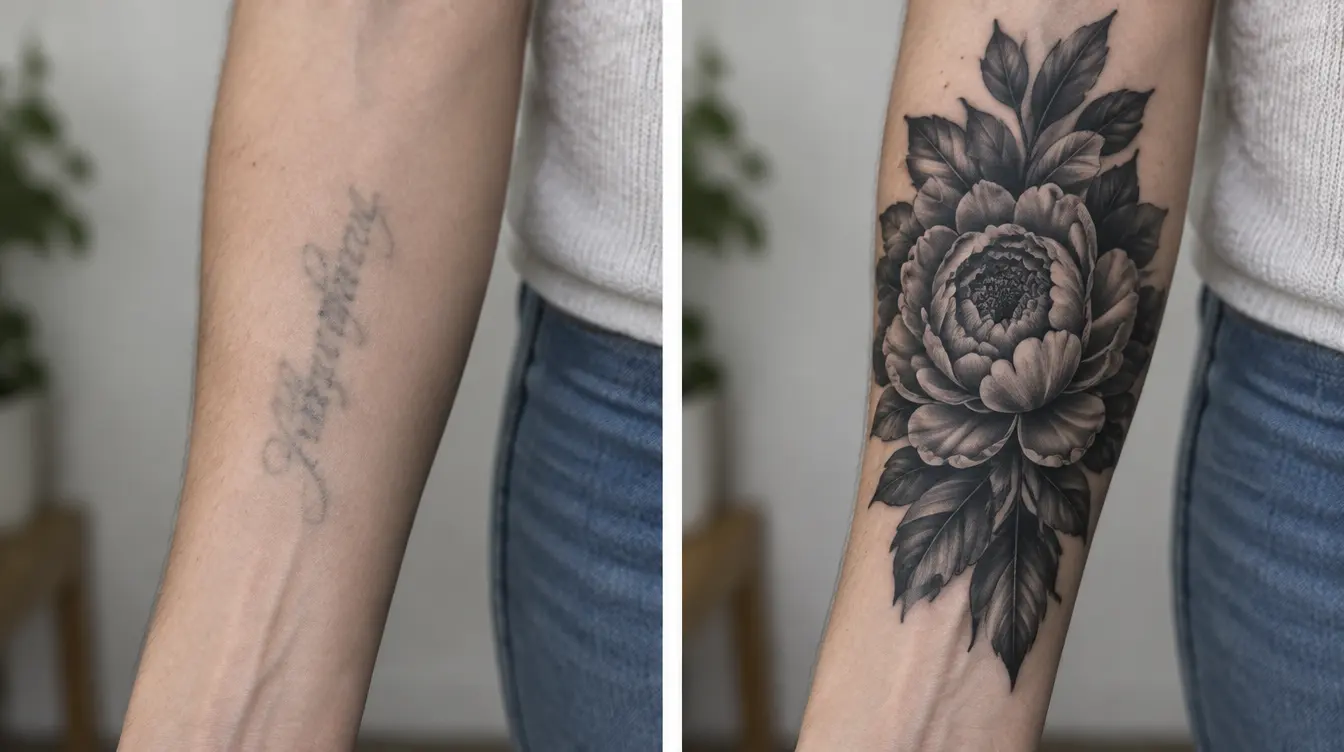
Fading also tends to make sense when the old tattoo is very dark or bold, when you want the new design to include lighter areas or colour, or when the cover-up would otherwise need to be much bigger than you would like. Talk to both sides before you start: the tattoo artist knows what the new design needs, and the removal clinic knows how fast your ink is likely to fade.
If you have already tried a cream
If you have used a cream or a home method and the skin is red, raw, blistered or not healing, stop using it and let the skin recover. If there is an open wound, signs of infection or a burn that is not healing, see a doctor. Once everything has calmed down, a dermatologist or an experienced removal clinic can look at the skin and tell you what is realistic now. Tell them exactly what you used, including any product names and how long you used them.
Jonas, in the end, did this. He waited a few months for the irritation to settle, booked a consultation, and chose to fade the name with laser and cover it with a larger, darker design. It took longer than the cream had promised. It also worked.
Read alsoHow much does laser tattoo removal cost? Prices by size, sessions and totalWhat it means for you
Creams, salt, lemon, acids and home lasers all work on the surface or simply damage it, while tattoo ink sits deeper. That is why none of them removes tattoos, and why they so often leave scars. If you want a tattoo gone, the real choices are laser, and in some cases saline removal, excision or dermabrasion done by a trained professional, each with honest trade-offs. If you want something new in its place, fading for a cover-up is often the faster route.
If you are still weighing whether to remove, fade or keep a tattoo, it can help to see how it is likely to look in the years ahead. With InkAge you can upload a photo of your tattoo and see how it may age over time, which can make the decision a little clearer before you commit to anything.
Frequently asked questions
Does tattoo removal cream work?
No. Tattoo ink sits in the dermis, below the outer layer of skin, and creams cannot reach it. The FDA has not approved any tattoo removal cream and knows of no evidence that they are safe or effective. They can, however, cause irritation, burns and scars.
Can I remove a tattoo at home with salt or lemon?
No. Lemon juice only irritates and bleaches the surface. Rubbing salt into the skin is an old medical method (salabrasion) that was abandoned because of unpredictable results and scarring. At home it adds a high risk of infection, and the ink usually stays.
Is saline tattoo removal better than laser?
It depends on the tattoo. Saline removal can help with small, superficial areas such as permanent make-up, and with some colours that respond poorly to laser. For most body tattoos, laser is usually more predictable. Saline removal works by wounding the skin, so scarring and colour changes are real risks.
Are home tattoo removal laser pens safe?
No. Cheap handheld pens cannot deliver the kind of short, powerful pulses that professional removal lasers use. They mainly heat the skin, which can cause burns, blisters, pale or dark patches and scars, and they can also damage the eyes without proper protection.
How many laser sessions do I need to fade a tattoo for a cover-up?
Often around two to five, compared with roughly six to twelve for full removal. It depends on how dark and dense the old ink is and on the new design, so ask both your tattoo artist and the removal clinic before you start.
Sources
- FDA: Tattoo Removal: Options and Results (2023)
- FDA: Think Before You Ink: Tattoo Safety
- Yim, Hemington-Gorse, Dickson: The Perils of Do It Yourself Chemical Tattoo Removal, Eplasty 2010;10:e22
- Iatrogenic deep dermal wound due to chemical do-it-yourself tattoo removal, J Cutan Aesthet Surg 2016
- Mayo Clinic: Tattoo removal
- Non-laser treatment for tattoo removal (review, Univ. Mainz)
Do you run a laser clinic? Show guests their own tattoo after 3, 6 and 10 sessions
Written by the InkAge editorial team from widely accepted tattoo-care practice. Figures are rules of thumb, not measurements. This is general information, not medical advice — ask your artist or a dermatologist about your own skin.
Last updated: 8 November 2026