In short
- Tattoo ink is translucent, so a new design doesn’t paint over the old one: the two layers mix. Dark covers light; light never covers dark.
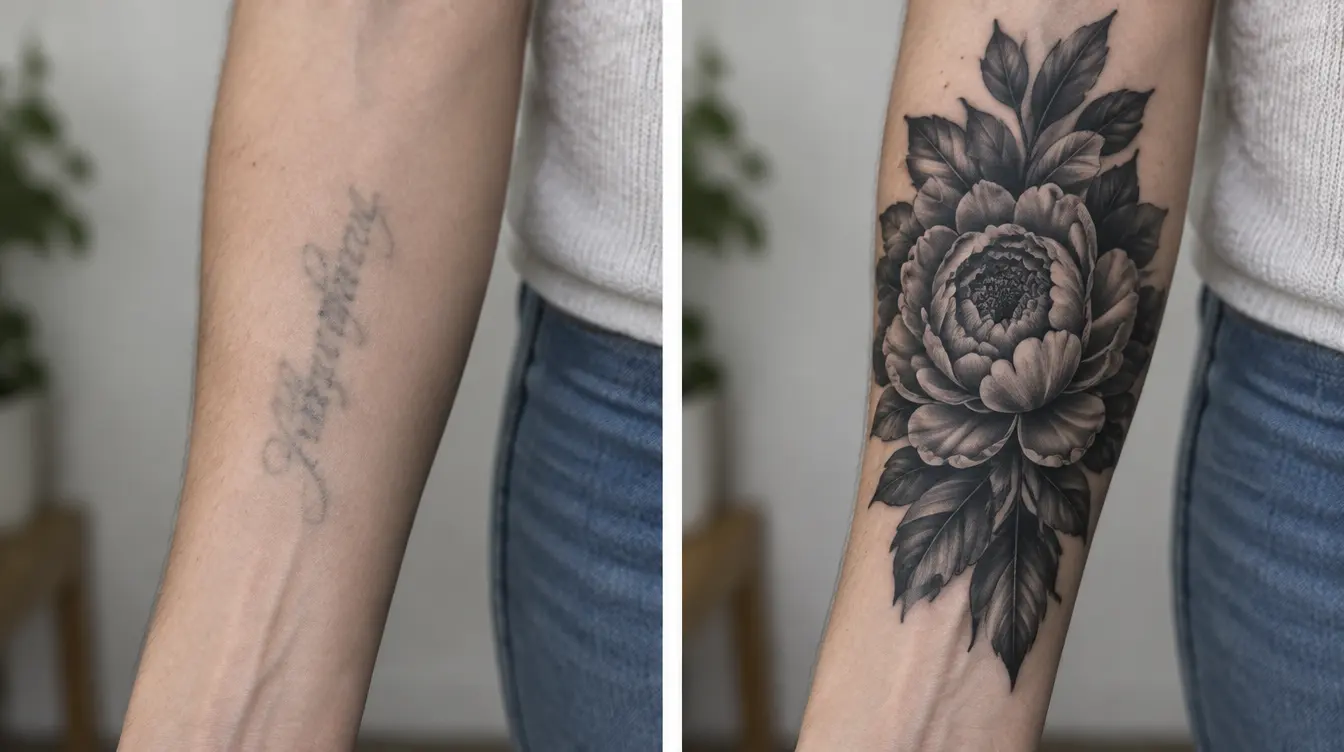
- A good cover-up is usually noticeably bigger and darker than the old tattoo, with texture and solid areas placed exactly where the old lines are.
- Old, faded, thin-lined tattoos are the easiest to cover. Very dark, dense or large ones often need a few laser sessions first.
- Choose an artist with healed cover-up work, and see the new design on your own skin before you commit.
In this article 10
- Why you can’t just paint over a tattoo
- What makes a tattoo easy or hard to cover
- The rules of a good cover-up design
- When you need laser first
- Rework, cover-up or laser?
- How the process usually goes
- Choosing the right artist
- See the cover-up on your own skin first
- The short version
- Frequently asked questions
Dani had worn the name on the inside of her wrist for nine years. It was neat, small, black, and belonged to someone she had not spoken to since the summer she turned twenty-four. She had imagined the cover-up for months: a delicate watercolour hummingbird in soft pinks and yellow, floating over the old letters. The first artist she showed it to looked at the wrist, looked at the sketch, and said gently: “I can tattoo this. You’ll still be able to read the name through it.”
That sentence sums up most of what people don’t know about cover-ups. They are one of the most common reasons people walk into a studio, and one of the most misunderstood. This guide explains how covering old ink actually works, which tattoos are easy or hard to cover, which designs hide things best, and when a few laser sessions beforehand will change your options completely.
> A note on the pictures: the images in this article are illustrations made to show typical situations. They are not photos of real clients or real cover-ups.
Why you can’t just paint over a tattoo
It is tempting to think of a cover-up like painting a wall: pick a new colour and roll it on. Skin doesn’t work like that. Tattoo ink is translucent, and the old pigment stays in the skin under the new one. What you see afterwards is the two layers mixed together, a bit like laying one coloured glass over another.
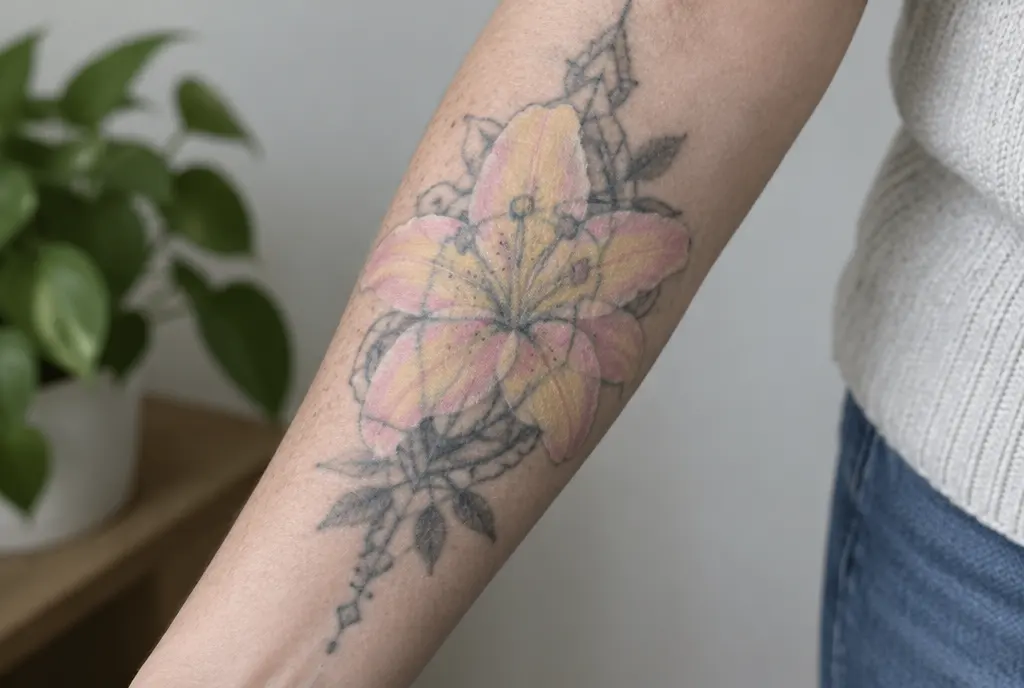
That leads to the one rule every cover-up artist works by: dark covers light, light never covers dark. A black line will show through yellow, pink, pastel blue or white, no matter how many layers go on. It can disappear under deep green, navy, dark red or black, especially when the new design puts its darkest parts right on top of it.
A cover-up doesn’t erase the old tattoo. It hides it inside something darker and busier.
What makes a tattoo easy or hard to cover
Before talking about designs, an artist will look at the old tattoo itself. These are the things that matter most.
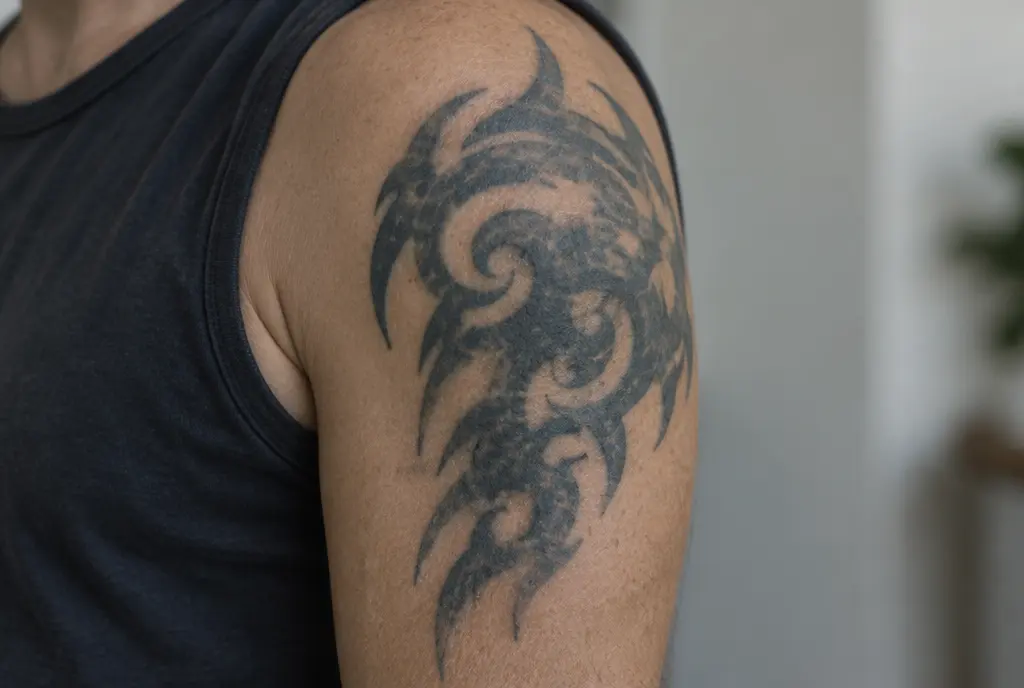
- How dark it is. Faded, greyish, older tattoos are much easier to hide than a crisp black one that is still saturated.
- How dense it is. Thin line work and small lettering are easier than large areas of solid black or heavy shading.
- How big it is. A small tattoo leaves room to design around it. A large one limits what can go on top.
- Where it is. Some placements, such as the inner wrist or fingers, have very little room to grow a bigger design.
- Its colours. Old blue-black and faded colour are manageable. Very dark or very saturated areas push the new design towards even darker colours.
- Scarring or blowouts. Raised or uneven skin and blurry halos can be harder to hide cleanly, and need to be designed around.
The rules of a good cover-up design
A cover-up is a design problem first and a tattooing problem second. The best ones follow the same principles.
It is usually bigger
The new design needs room to place dark areas over the old lines and still look like a natural image, not a dark patch. That is why cover-ups are usually noticeably bigger than the original, sometimes much bigger, especially when the old tattoo is dense. If you want to stay the same size, the old tattoo usually needs to be lightened first.
Darkness goes exactly where it is needed
Good cover-up artists don’t just make everything dark. They map the old tattoo and put the deepest shadows, the darkest petals, the black outline or the solid background exactly over the old lines, then keep lighter details where there was bare skin before.
Texture and organic shapes hide best
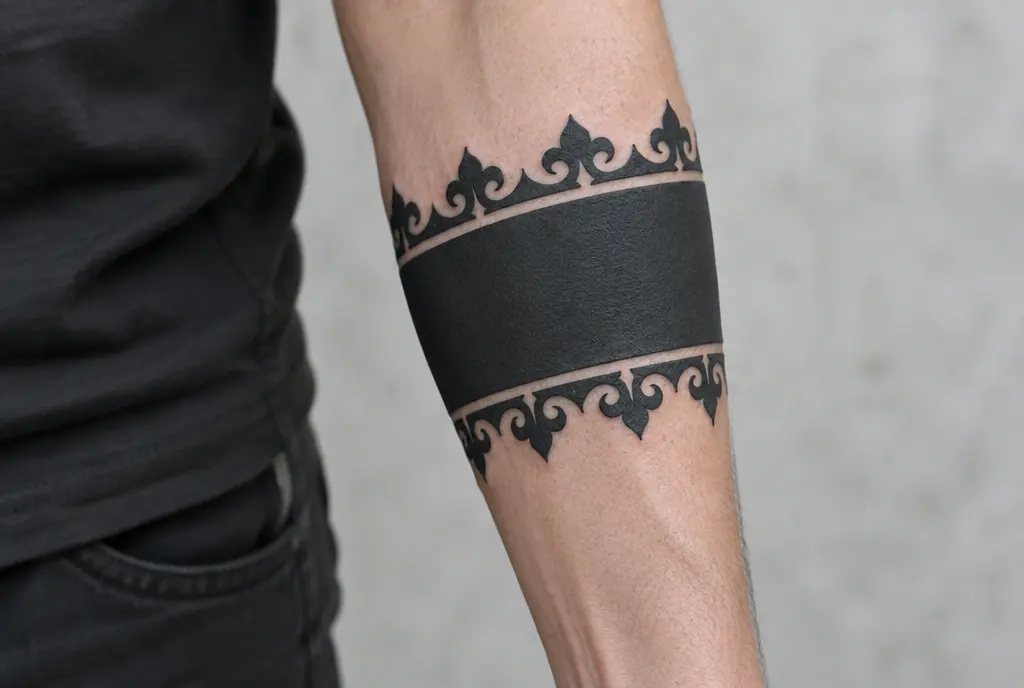
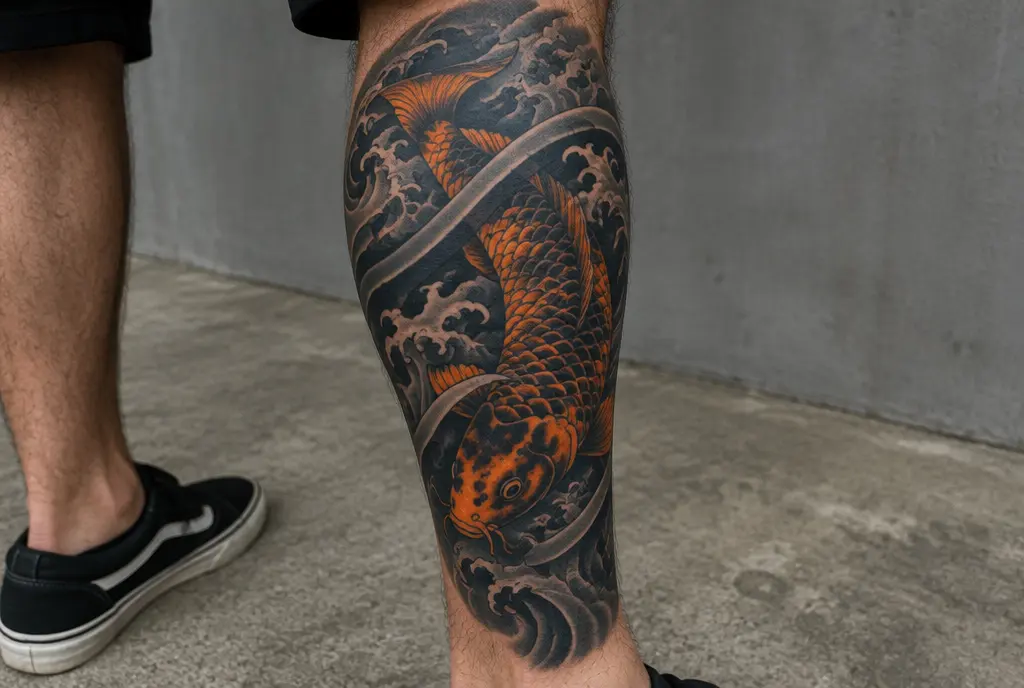
Designs with lots of texture and irregular shapes are natural camouflage: flowers with layered petals, leaves, feathers, animal fur, waves, clouds, ornamental blackwork and Japanese-style pieces with dark backgrounds. Clean geometric shapes, big empty areas, fine single lines and pale colour hide very little.
Some styles work better than others
- Work well: neo-traditional, Japanese, dark floral, realism with strong shadows, ornamental blackwork.
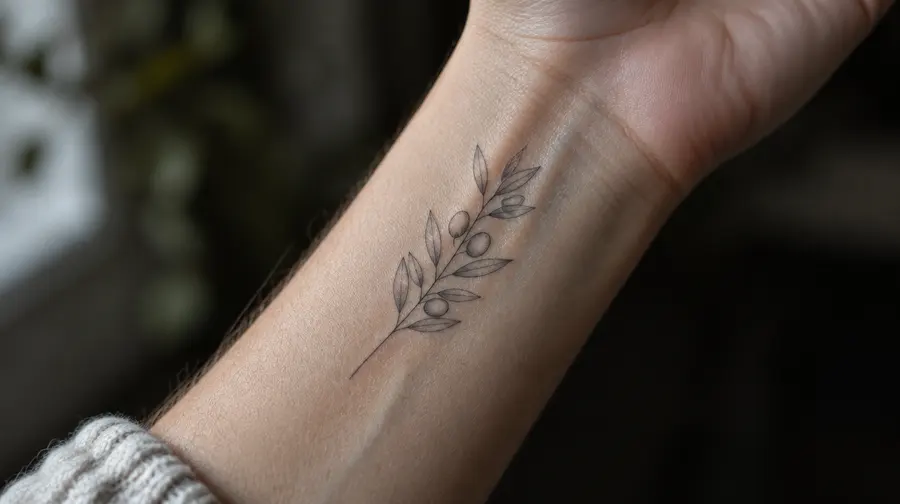
- Hard to make work: fine line, minimalist designs, watercolour without dark structure, white ink and light pastels.
- The last resort: a blackout, where an area is filled with solid black, sometimes with a pattern cut out of it. It hides almost anything, but it is a big, permanent change.
When you need laser first
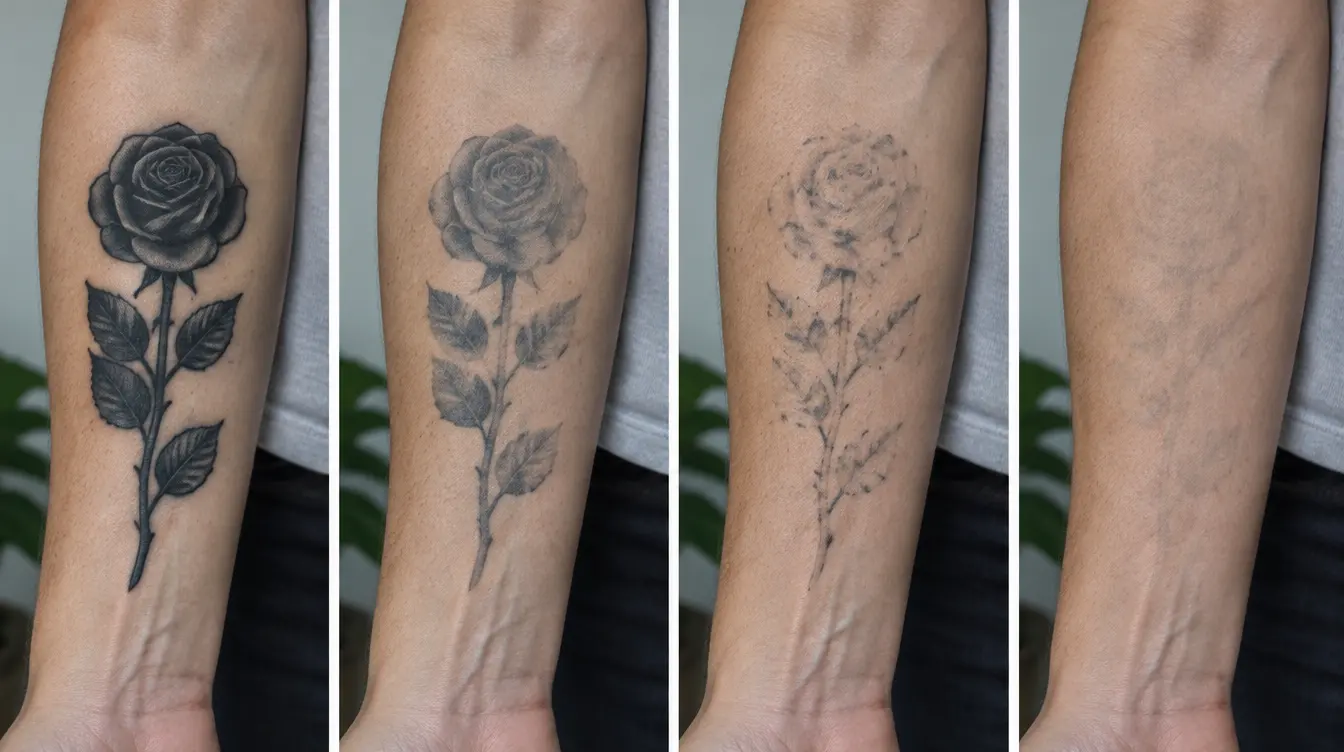
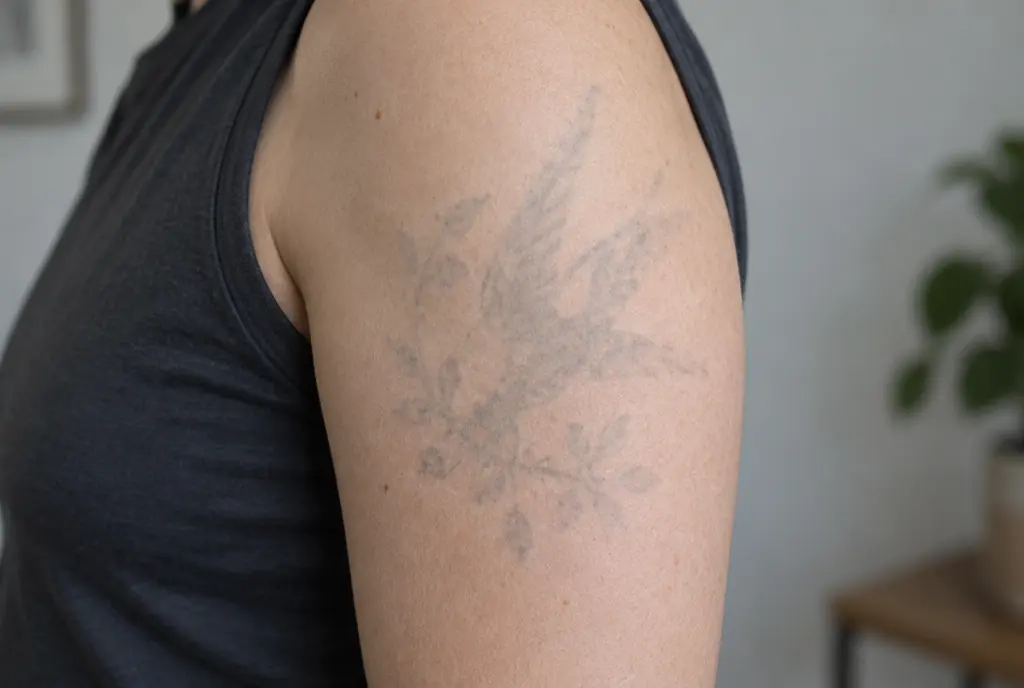
Laser removal and cover-ups are not opposites. They are often a team. A few sessions to lighten the old tattoo, not remove it completely, can open up far more options for the new design.
Fading first is worth considering when:
- the old tattoo is very dark, dense or large
- you want the new design to stay small or close to the same size
- you want lighter colours, fine lines or lots of bare skin in the new tattoo
- the old tattoo has a shape that would be hard to work into any design, such as a name or a sharp outline
Fading for a cover-up usually takes only a few sessions rather than a full course, although it depends on the tattoo. After the last session, the skin needs to heal fully before anyone tattoos over it; your laser clinic and tattoo artist will tell you how long they want you to wait, often at least six to eight weeks. Ask both of them how light the old tattoo needs to be before you start, so you don’t pay for more sessions than you need.
Rework, cover-up or laser?
If you are unhappy with a tattoo, there are three main routes, and they suit different situations.
- Rework: the artist keeps your tattoo and improves it, for example by bolding lines, adding shading or extending the design. Best when you still like the idea and it just looks tired or unfinished.
- Cover-up: a new design hides the old one. Best when you want something different and are happy with a bigger, darker result.
- Laser, fully or partly: best when you want the skin back, or when lightening the old ink will give a cover-up much better results.
How the process usually goes
- Consultation. Bring clear photos in daylight, or better, go in person. A good artist will be honest about what can and can’t be hidden.
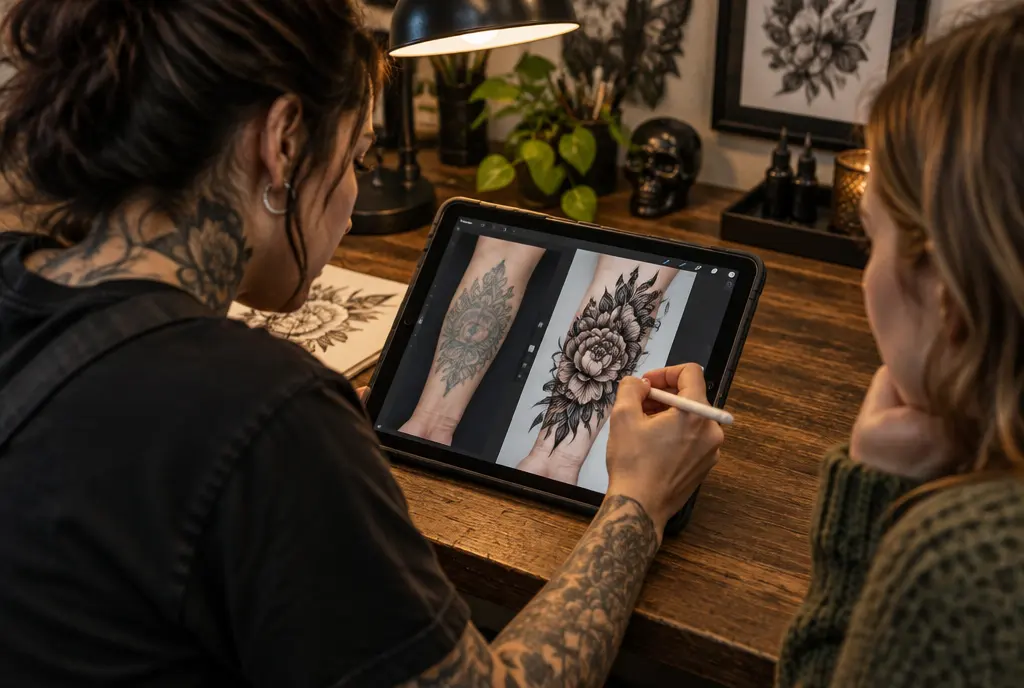
- Design. Many artists draw the new design directly over a photo of your old tattoo, so you can both see where every dark area sits.
- Stencil and tattooing. Cover-ups often take longer than a fresh design of the same size, because of the density and the planning.
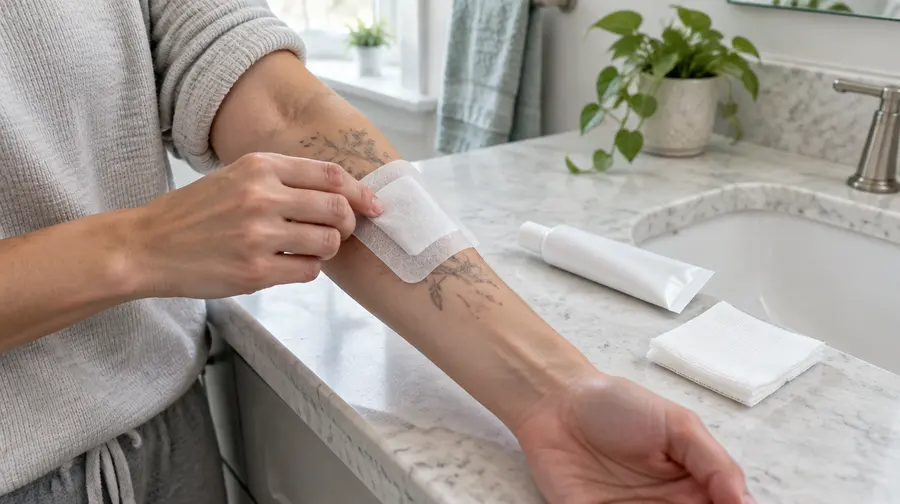
- Healing. A cover-up heals like any tattoo, but dense, dark work can be more swollen and tender at first.
- Touch-up. It is common to need a touch-up once it has healed, to deepen an area where a hint of old ink still shows.
Choosing the right artist
Cover-ups are a specialist skill. Ask to see healed cover-up work, not just fresh photos, because a fresh cover-up always looks better than it will once the skin has settled. Look for before-and-after pairs where the old tattoo was similar to yours in darkness and size, and ask the artist directly whether they would recommend lightening it first.
See the cover-up on your own skin first
A cover-up is a bigger, longer commitment than the tattoo it replaces. In InkAge you can place a new design on a photo of your own skin, at the size you are considering, and see it fresh, healed and as it is likely to look after 10, 30 and 50 years. If you are thinking about fading first, the laser preview shows what the old tattoo might look like after 3, 6 and 10 sessions. Both are estimates rather than promises, but they make the conversation with your artist much more concrete.
Read alsoHow many laser sessions does it take to remove a tattoo? The Kirby–Desai scale with worked examplesThe short version
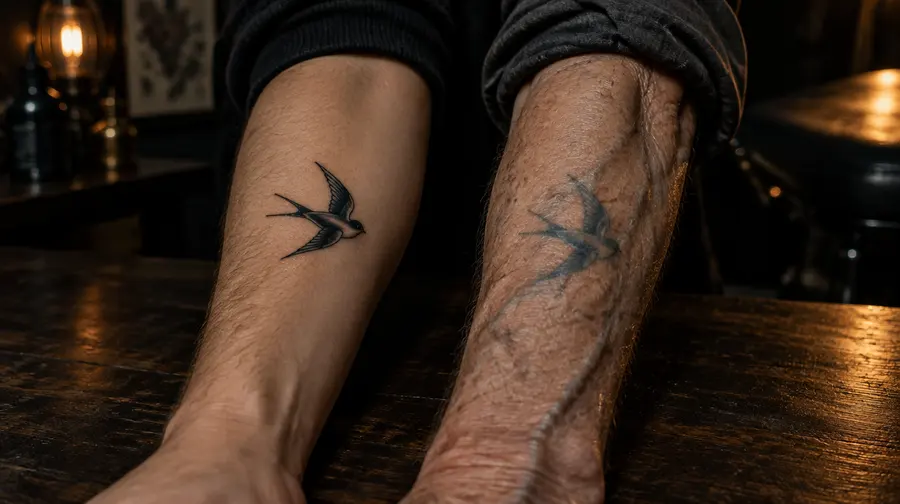
Dani didn’t get the pastel hummingbird. She had three laser sessions to fade the name, waited until the skin had healed, and then got a dark-winged swallow with deep blue shading, a little bigger than the old name. You can’t read anything underneath it. If you want to cover a tattoo, remember the rule: dark covers light. Expect the new design to be bigger and bolder, choose an artist with healed cover-ups, and if your dream design is light or delicate, ask about fading first.
Frequently asked questions
Can any tattoo be covered up?
Most tattoos can be covered in some way, but not with any design. Dark, dense or large tattoos limit the options to bigger, darker designs, and very dark ones may need a few laser sessions first if you want something lighter or smaller.
How much bigger does a cover-up need to be?
Usually noticeably bigger than the old tattoo, and sometimes much bigger, so that dark areas can sit over the old lines while the design still looks natural. The darker and denser the old tattoo, the more room is needed. Lightening it first can keep the new design smaller.
Can you cover a black tattoo with colour?
Only with dark, saturated colours placed over the old lines, such as deep greens, blues or reds alongside black. Light colours like yellow, pink, pastels or white will let the black show through. For a lighter colour design, fade the old tattoo with laser first.
How many laser sessions do I need before a cover-up?
Often only a few, because the goal is to lighten the old tattoo, not remove it. It depends on how dark and dense it is. Ask your laser clinic and your tattoo artist together how light it needs to be, and let the skin heal fully before the cover-up.
Is a cover-up better than laser removal?
It depends on what you want. A cover-up gives you a new tattoo, usually bigger and darker, in less time. Laser gives you the skin back but takes many sessions. Many people combine them: a few laser sessions to fade, then a cover-up with more design freedom.
Written by the InkAge editorial team from widely accepted tattoo-care practice. Figures are rules of thumb, not measurements. This is general information, not medical advice — ask your artist or a dermatologist about your own skin.
Last updated: 6 November 2026