In short
- The sternum and collarbones are among the more painful spots on the body; the chest muscle is noticeably easier. Every breath moves the skin, so a good artist works with your breathing.
- Healing is mostly about friction: bra bands and straps, tight shirts, seatbelts and chest workouts. Plan soft, loose clothes and about two weeks without heavy chest training.
- The chest changes shape more than many places: muscle gain, weight changes, pregnancy, breastfeeding and simply age all move the design. Bold, flexible designs handle that best.
- The chest sees more sun than people expect, and a chest tattoo is worth mentioning to your doctor before breast imaging. With sun protection, chest tattoos can age very well.
In this article 8
Lena had wanted the ornament for years: a symmetrical, lace-like design sitting right on her sternum, between and just below her breasts. Her friend with the same placement had said it was “fine, a bit spicy”. Twenty minutes in, Lena understood what “spicy” meant. Every pass over the bone sent a deep buzz up into her teeth, and every time she breathed in, the skin under the needle rose. Her artist stopped, put a hand flat on the table and said: “Breathe out slowly, and I’ll do the line while you’re empty. Then rest. We’ll do it in rhythm.” The rest of the session went by in slow breaths and short lines.
Chest tattoos are one of the classic placements: a bold chest piece across the pecs, a pair of swallows under the collarbones, a script line just below the collarbone, or a sternum ornament. Search for chest tattoos and you will see two questions again and again: how much does it hurt, and what will it look like later? This guide answers both, plus the practical part people forget: how to heal a tattoo that moves with every breath and sits right where your clothes rub.
> A note on the pictures: the photos in this article are free stock photos from Unsplash, chosen to show typical situations. They are not photos of the people in the story.
How much does a chest tattoo hurt?
It depends a lot on where exactly. The chest is not one area but several, and they feel very different:
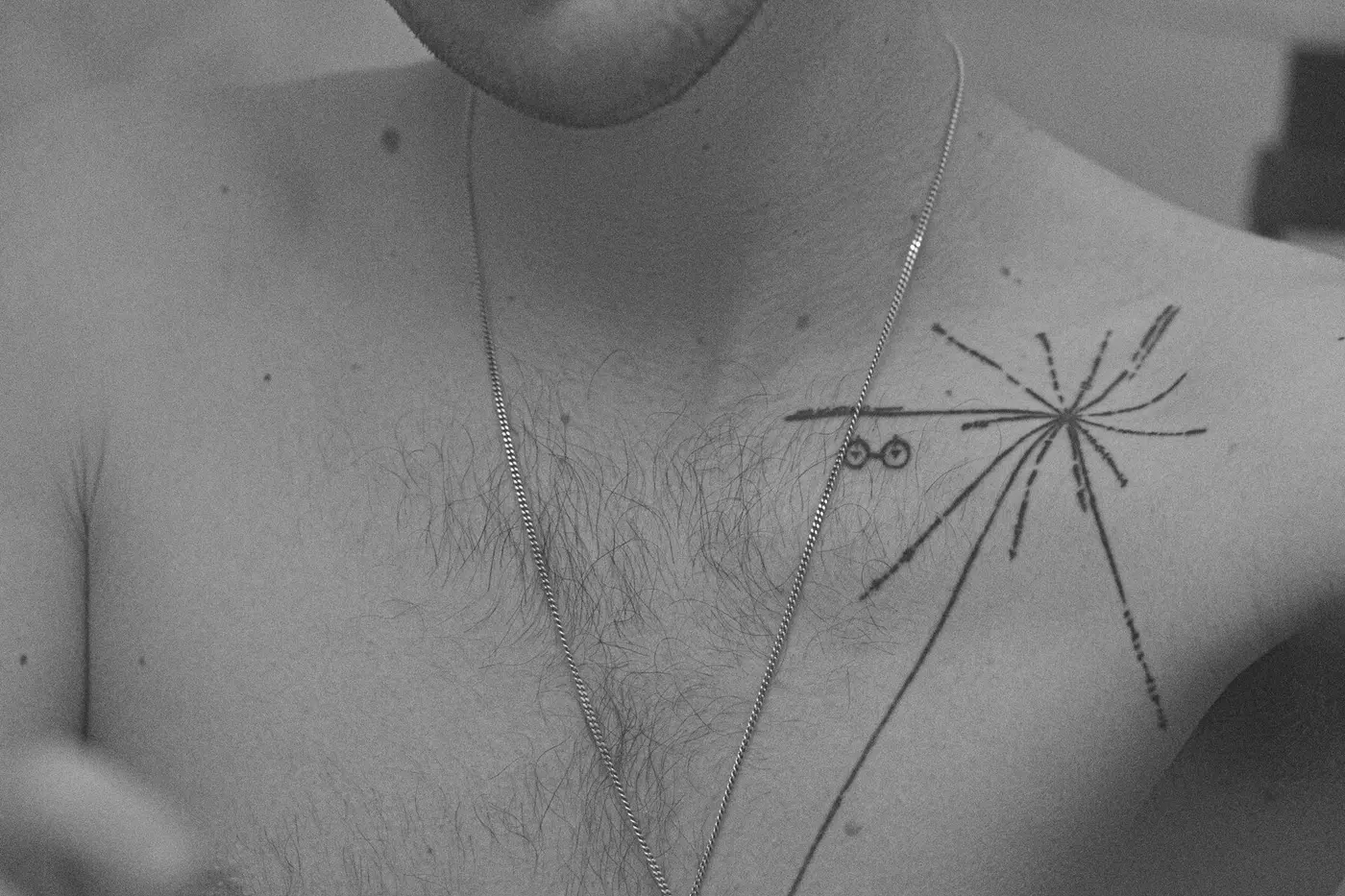
- The sternum (breastbone): one of the more painful spots on the body. The skin is thin, there is almost no padding, and the needle’s vibration travels through the bone. Many people describe it as a deep, rattling buzz.
- The collarbones: similar to the sternum. Thin skin over bone, and sharper the closer the line runs to the bone itself.
- The chest muscle (pecs): usually the most manageable part. There is more muscle and tissue between the skin and the bone, and for many people it feels closer to an upper-arm tattoo.
- Close to the armpit and around the nipples: very sensitive skin with many nerve endings. Designs that wrap towards the armpit often have their toughest minutes there.
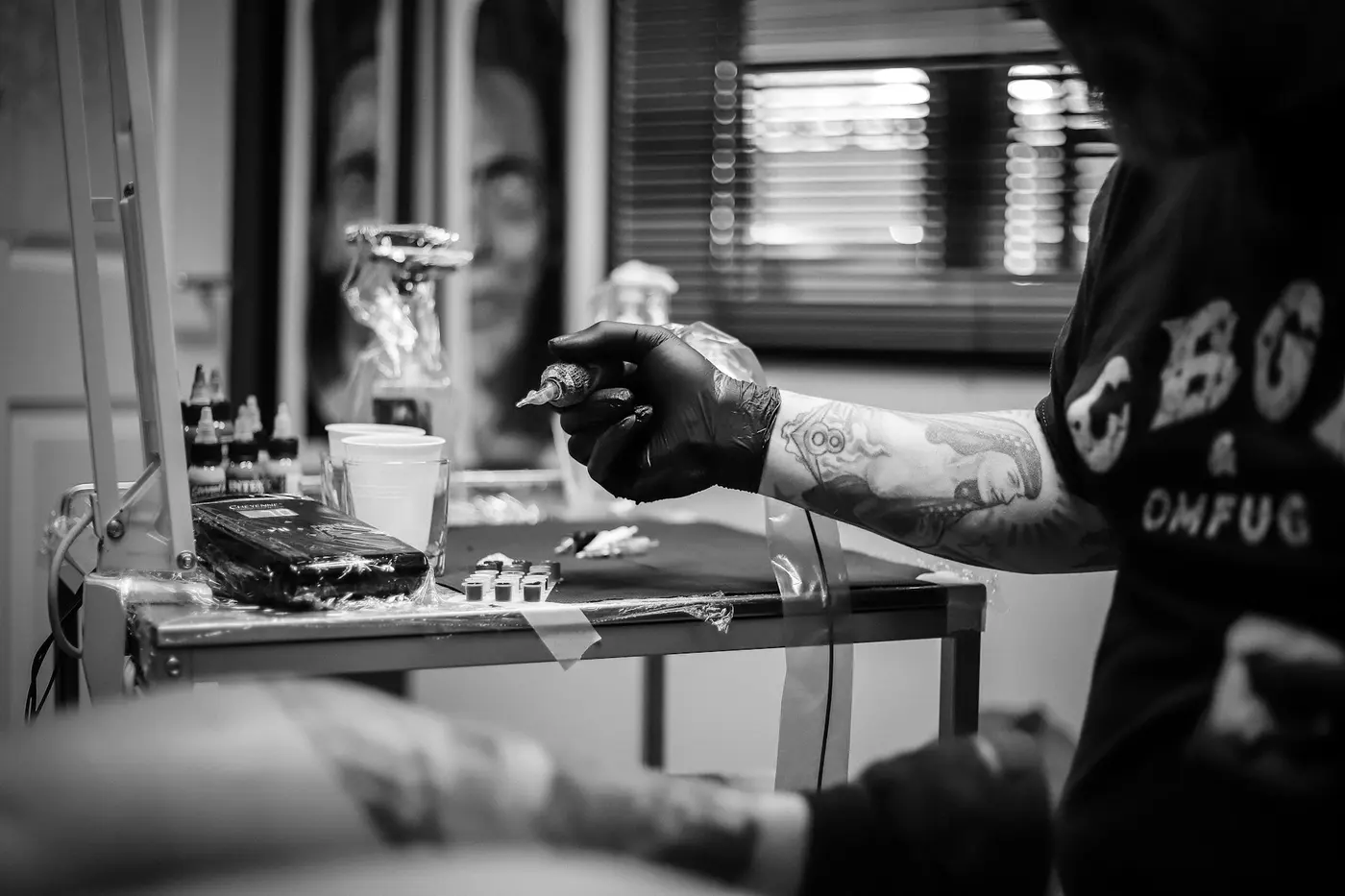
Then there is breathing. On the chest, every breath lifts and lowers the skin, which makes clean lines harder and can make the pain feel less predictable. Experienced artists work with it: they ask you to breathe out slowly, pull the line while your chest is still, and let you breathe in between. Slow, steady breathing is also the best pain tool you have, because holding your breath and tensing makes everything sharper.
On the chest, the artist works with your breathing, not against it.
A large chest piece is often split into two or more sessions. That is not a sign of weakness, but simply good planning: the skin over the sternum gets sore after a few hours, and lines stay cleaner when both you and the skin are fresh.
Healing: friction is the real enemy
A chest tattoo heals like any other: tenderness and some oozing for a few days, then flaking and itching, then a dull, cloudy stage before the skin settles after a few weeks. What makes the chest different is how much rubs against it all day.
- Bras. A band or underwire across a sternum or underbust tattoo is the most common healing problem. For the first one to two weeks many people choose a soft bralette that sits away from the ink, a loose sports top, or no bra at home. Avoid tight sports bras, which press and trap sweat.
- Tops and seams. Loose, soft cotton is best. Tight shirts, stiff collars and seams running across the chest rub every time you move.
- Seatbelts. A belt across a fresh collarbone or chest piece can chafe. A folded soft cloth between the belt and the tattoo helps on longer drives.
- Sleep. Sleeping on your back keeps a chest tattoo away from the sheets. Sleeping on your front presses it into the bedding for hours.
- Training. Push-ups, bench presses and anything that stretches the chest hard pull at healing skin, and sweat irritates it. Most artists suggest about two weeks without heavy chest work; lighter leg or cardio training without rubbing is usually fine sooner.
- Water. No pools, baths, saunas or sea until the surface has closed, usually two to three weeks.
Washing it gently with mild soap and lukewarm water and applying a thin layer of aftercare cream once or twice a day is enough. If the skin becomes hot, increasingly swollen, or the redness spreads after the first few days instead of calming down, show it to your artist or a doctor.
How chest tattoos age
The chest has one big advantage: it rarely rubs against desks, shoes or bags, and for most of the year it is under clothes. That helps tattoos stay sharp. Its challenge is that the shape underneath changes more than in many other places.
Muscle and weight
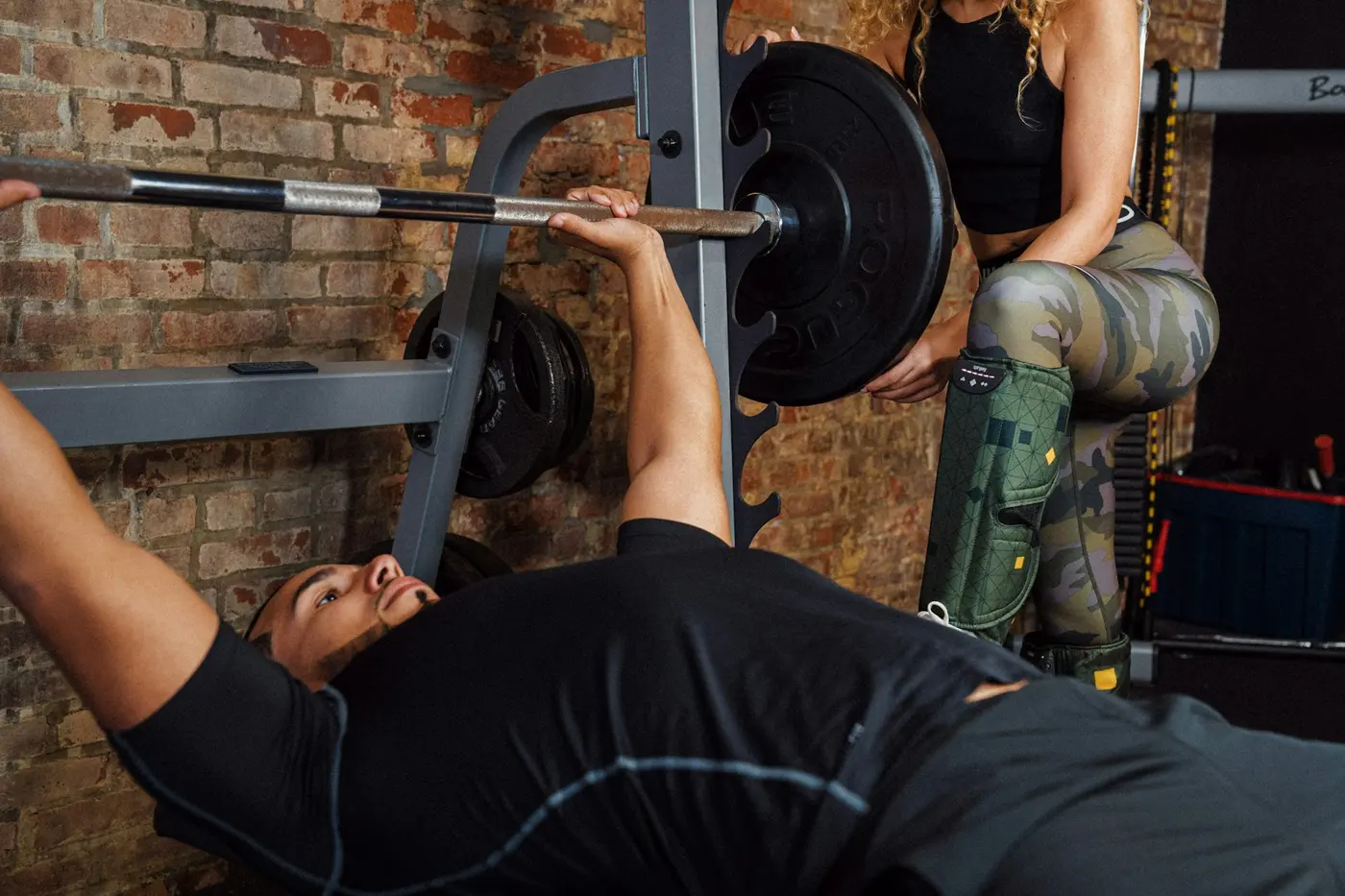
Building muscle stretches the skin over the pecs, and losing it lets the skin soften again. Gaining or losing a lot of weight does something similar. A design that sits across both sides of the chest can widen, shift slightly or lose a little of its symmetry. Moderate, gradual changes usually leave a tattoo looking fine; large, fast changes are the ones that show.
Breast changes
Pregnancy, breastfeeding, hormonal changes, weight changes and simply age all change the size and shape of the breasts. Designs on or close to the breast tissue move the most. Sternum and collarbone designs, which sit on bone, move the least. If you are planning a pregnancy or a breast operation, it is worth timing a large chest piece around it, or choosing a placement on the sternum or collarbones.
Symmetry
Perfectly mirrored designs, such as two identical swallows or a symmetrical chest piece, are beautiful but unforgiving: no body is perfectly symmetrical, and changes over the years rarely happen equally on both sides. Designs that are balanced rather than mirrored, or that flow naturally across the chest, tend to age more gracefully.
Styles that last on the chest
Because the chest is a large, slightly moving surface, it rewards confident designs.

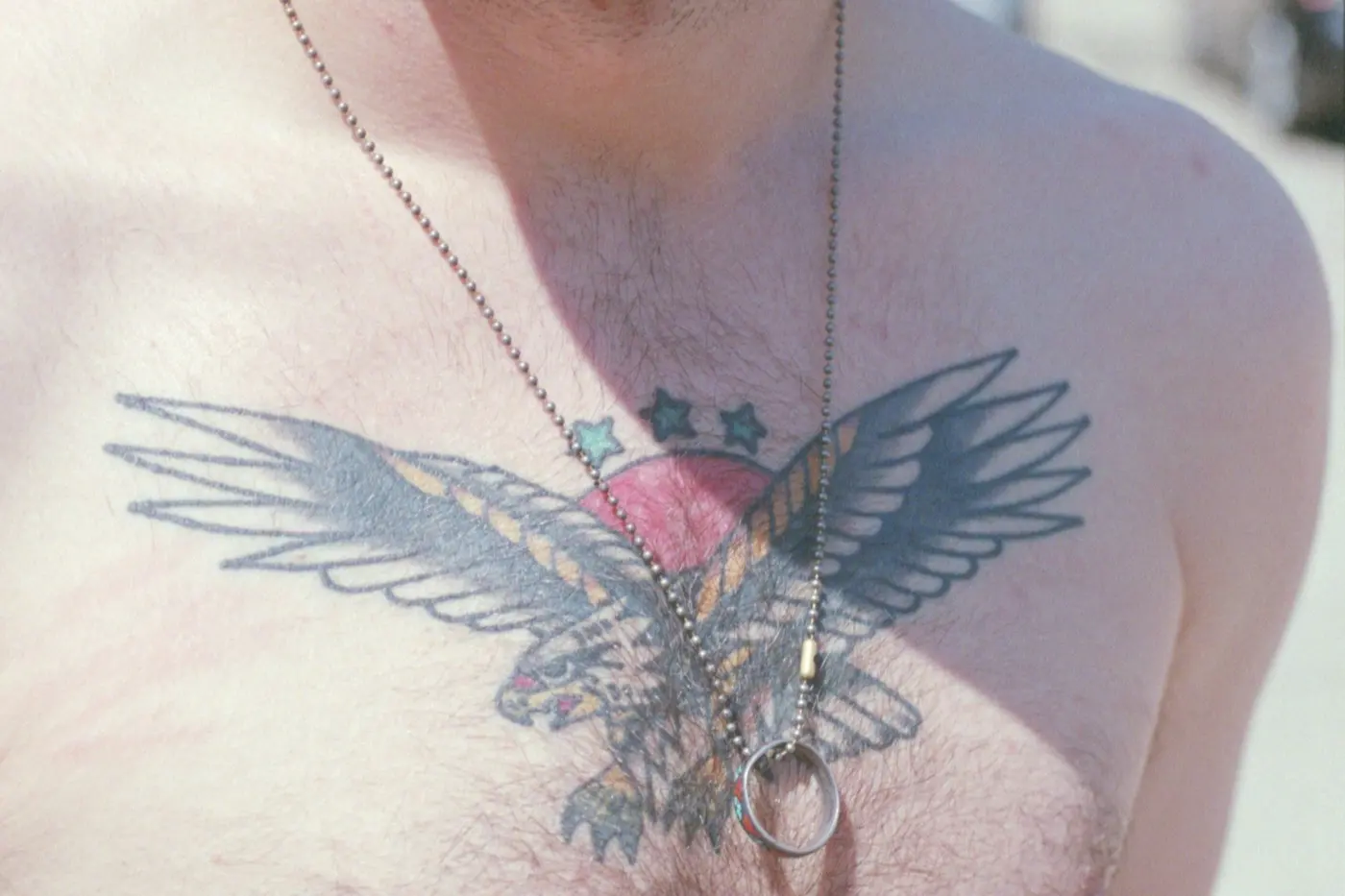
- Bold traditional pieces: eagles, swallows, roses and banners with strong outlines and solid colour or black are classics on the chest for a reason. They stay readable for decades.
- Ornamental and blackwork sternum designs: lace patterns, mandalas and ornamental shapes follow the centre of the body and tolerate small changes well, especially with solid black areas.
- Black-and-grey realism: works well on the pecs if it is large enough and has strong contrast. Small, low-contrast realism softens fastest.
- Fine-line and script under the collarbone: popular and delicate. Keep lettering large enough, at least about fingertip height, and lines not too thin, or it will soften within a few years.
Sun, screening and other health notes
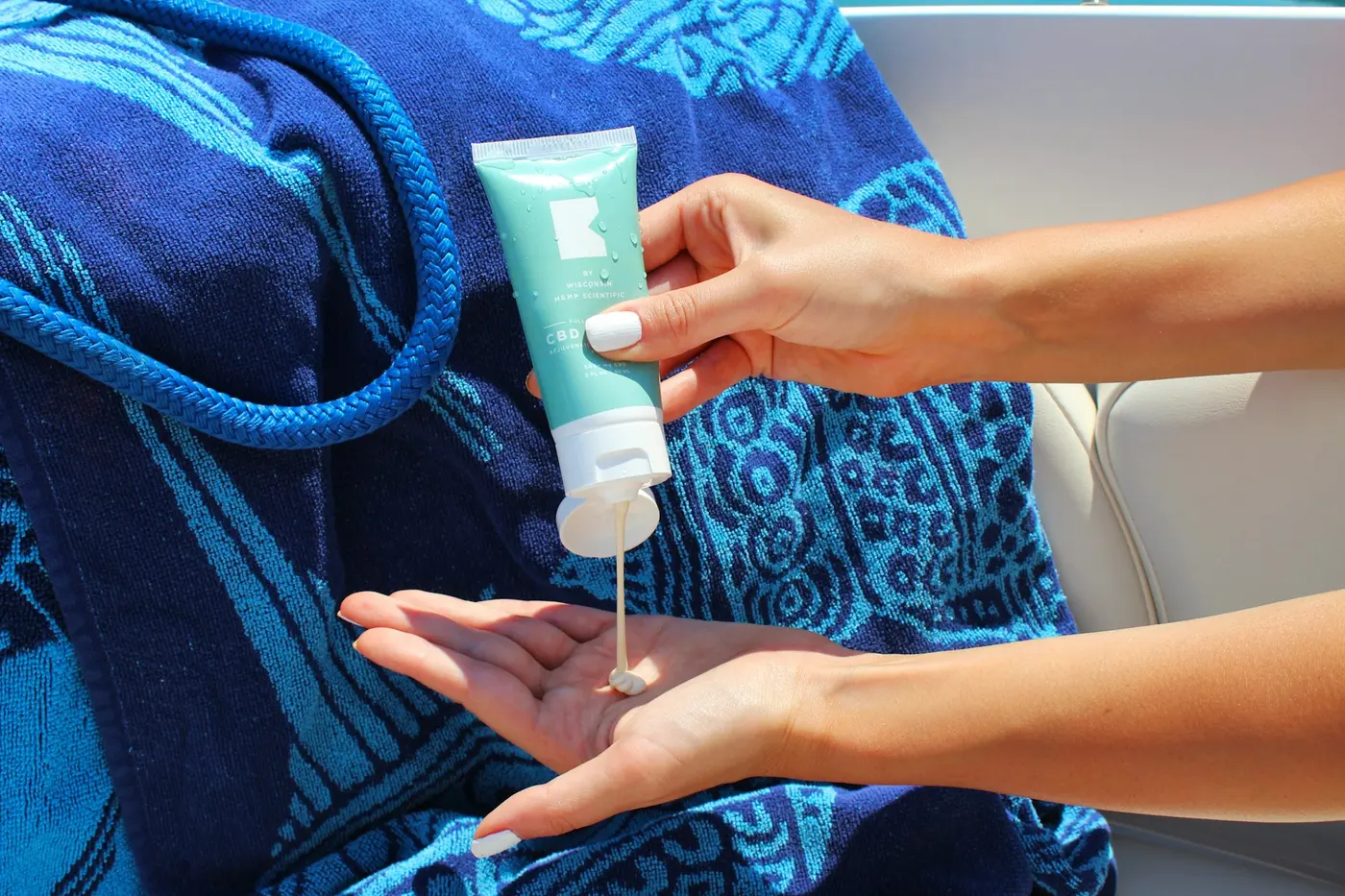
The chest sees more sun than people think: open shirts, swimsuits, summer dresses and the neckline area that is uncovered almost every day. Sun is the main reason chest tattoos fade unevenly. A high-factor sunscreen whenever the area is uncovered, and reapplying after swimming, keeps lines and colours sharp much longer.
Two medical notes are worth knowing. First, keep moles visible: do not tattoo over them, so they can still be checked over the years. Second, if you have breast imaging such as a mammogram or ultrasound, mention that you have a chest tattoo. Tattoos do not usually stop the examination, but tattoo pigment can collect in nearby lymph nodes and occasionally show up on images, so it helps the doctor to know.
And if you change your mind?
Chest tattoos can be removed or faded with laser like any other. Sessions over the sternum and collarbones tend to feel sharper than over the chest muscle, and the area needs the same care afterwards: loose clothes, no rubbing, sun protection. Bold black responds well; some colours need more sessions. A dark chest piece is also a good base for a cover-up, especially after a few fading sessions.
Read alsoSpine tattoos: how much they hurt, how they heal, and whether fine lines stay beautifulWhat it means for you
A chest tattoo is one of the most striking placements you can choose. Expect the sternum and collarbones to hurt more than the muscle, and expect your artist to work with your breathing. Plan two weeks of soft clothes and no heavy chest training, choose a design bold and flexible enough for a body that will change, and protect it from the sun when it is on show.
If you want to see how your chest design might look in ten, twenty or fifty years before you commit, you can upload a photo or a design to InkAge and preview how it may age. On a large or symmetrical chest piece, that preview is a quick way to see which lines and details will hold up.
Frequently asked questions
How much does a chest tattoo hurt?
It depends on the exact spot. The sternum and collarbones are among the more painful areas because the skin is thin over bone. The chest muscle is usually much easier, and the area near the armpit and nipples is very sensitive.
Can I wear a bra after a sternum or chest tattoo?
For the first one to two weeks, avoid anything that presses or rubs on the fresh ink. A soft bralette that sits away from the tattoo, a loose top or no bra at home are the usual choices. Tight sports bras and underwires over the tattoo slow down healing.
When can I work out after a chest tattoo?
Most artists suggest about two weeks without heavy chest training such as push-ups or bench presses, because stretching and sweat irritate the healing skin. Light training that does not rub the chest is usually fine sooner.
Will a chest tattoo stretch if I gain muscle or weight?
It can change a little. Gradual, moderate changes usually leave a tattoo looking fine, while large or fast changes in muscle, weight or breast size can widen or shift a design. Bold designs that are balanced rather than perfectly mirrored cope best.
Does a chest tattoo affect a mammogram?
Usually it does not stop the examination, but mention it to the radiographer or doctor. Tattoo pigment can collect in nearby lymph nodes and occasionally appear on images, so it helps them to know. Also avoid tattooing over moles so they can still be checked.
Sources
- Photos: Unsplash (free to use under the Unsplash licence)
- Cleveland Clinic: Tattoo aftercare tips from a dermatologist
- Healthline: How long does a tattoo take to heal?
- Tattoos: Understand risks and precautions (Mayo Clinic)
- MD Anderson Cancer Center: How to protect tattoos from sun exposure
- Tattoos: 7 unexpected skin reactions and what to do about them (American Academy of Dermatology)
Written by the InkAge editorial team from widely accepted tattoo-care practice. Figures are rules of thumb, not measurements. This is general information, not medical advice — ask your artist or a dermatologist about your own skin.
Last updated: 14 November 2026