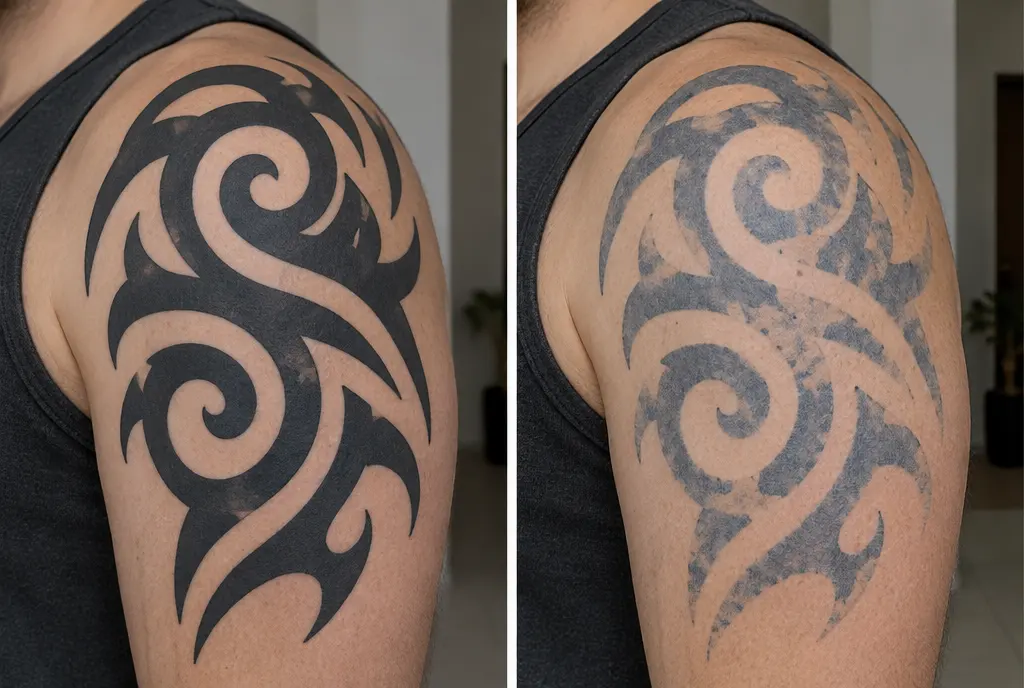
In short
- Fading is not removal. The goal is to lighten the old tattoo enough for the new design, which often takes about 2–5 laser sessions instead of the 6–12 or more a full removal needs.
- It is most worth it for dark, dense or large tattoos, and when you want the new design to be lighter, finer or not much bigger than the old one.
- Sessions are usually spaced six to eight weeks apart or more. After the last one, most artists want the skin fully healed, often at least six weeks and sometimes a few months.
- Plan the new design with your tattoo artist before the first laser session, so you pay only for the sessions you actually need.
In this article 12
- Fading is not removal
- When fading is worth it
- Which old tattoos can be covered without fading
- How many sessions it usually takes
- The timeline: sessions weeks apart
- How long to wait after the last session
- What your tattoo artist wants to see
- What it costs compared with full removal
- Things to watch out for
- A sensible order of steps
- The short version
- Frequently asked questions
Jonas had worn the black tribal band on his forearm since he was nineteen. Fifteen years later he knew exactly what he wanted instead: a botanical piece with fine stems, open leaves and plenty of bare skin between them. The first tattoo artist he asked was honest. “I can cover that band today,” she said, “but only with something almost as black as the band itself. If you want the plant you showed me, fade it first.”
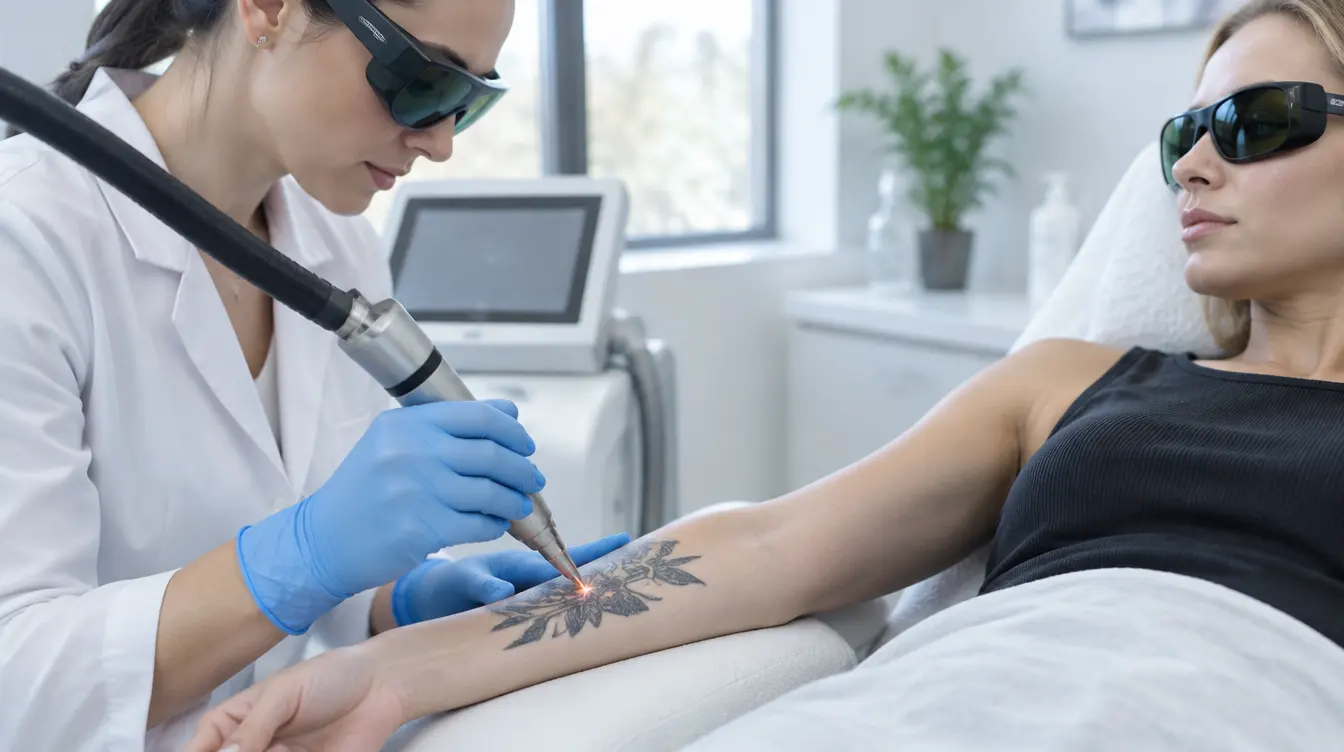
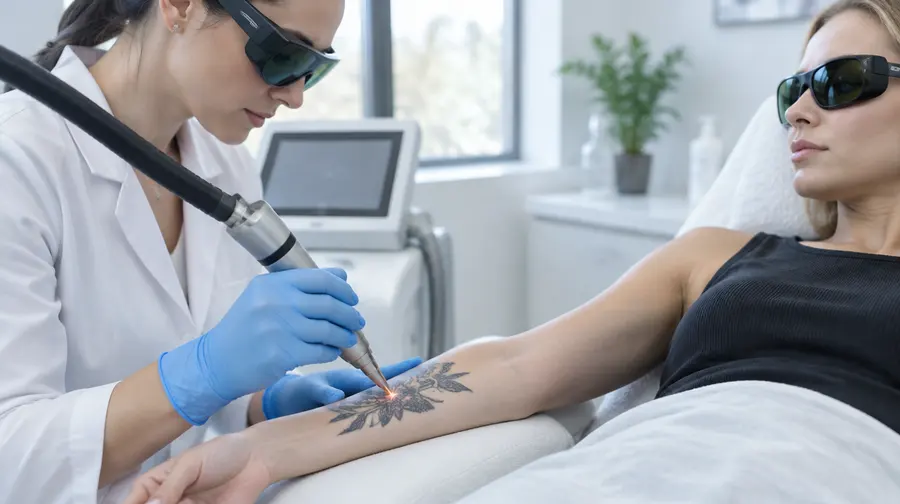
That conversation happens in studios every day. A cover-up hides old ink inside a new, usually darker design. Laser fading is the step before it: a few sessions that lighten the old tattoo so the artist has more freedom. Our guide to cover-up tattoos explains how covering works in general. This article is only about the fading step: when it is worth it, how many sessions it takes, how long to wait before the new tattoo, what your artist wants to see, and how the cost compares with full removal.
> A note on the numbers and pictures: session counts, waiting times and prices here are typical ranges from clinics, dermatologists and tattoo artists. Your own plan depends on your tattoo, your skin and the new design. The images are illustrations made to show typical situations. They are not photos of real clients or real results.
Fading is not removal
Full laser removal aims to make a tattoo disappear as far as possible. That usually takes many sessions, often somewhere around six to twelve for a professional black tattoo, and more for dense or colourful work. Fading has a smaller, more practical goal: to make the old tattoo light enough that the new design can hide what is left.
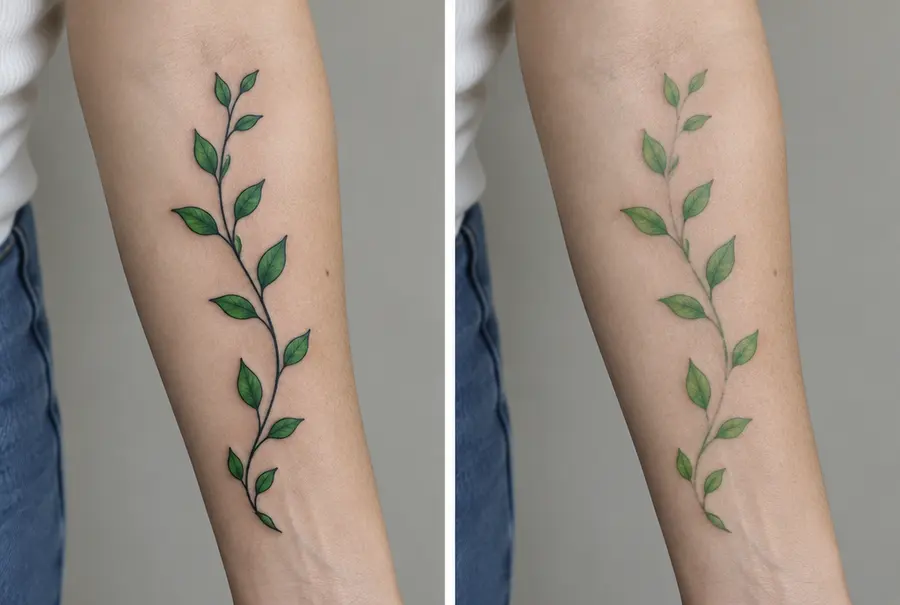
How light is light enough depends on the new tattoo, not on the old one. A bold, dark design with heavy shading can hide a lot, so it needs less fading. A delicate design with fine lines, light colours or open skin needs the old ink to be much paler. Some dermatologists describe the usual aim as lightening the tattoo by roughly half to three quarters, rather than erasing it.
Removal calculatorLaser tattoo removal calculator: how many sessions and what it costsRead alsoLaser tattoo removal: what to really expectYou don’t fade a tattoo until it is gone. You fade it until the new design wins.
When fading is worth it
Not every cover-up needs a laser. But in some situations a few sessions change the result completely.
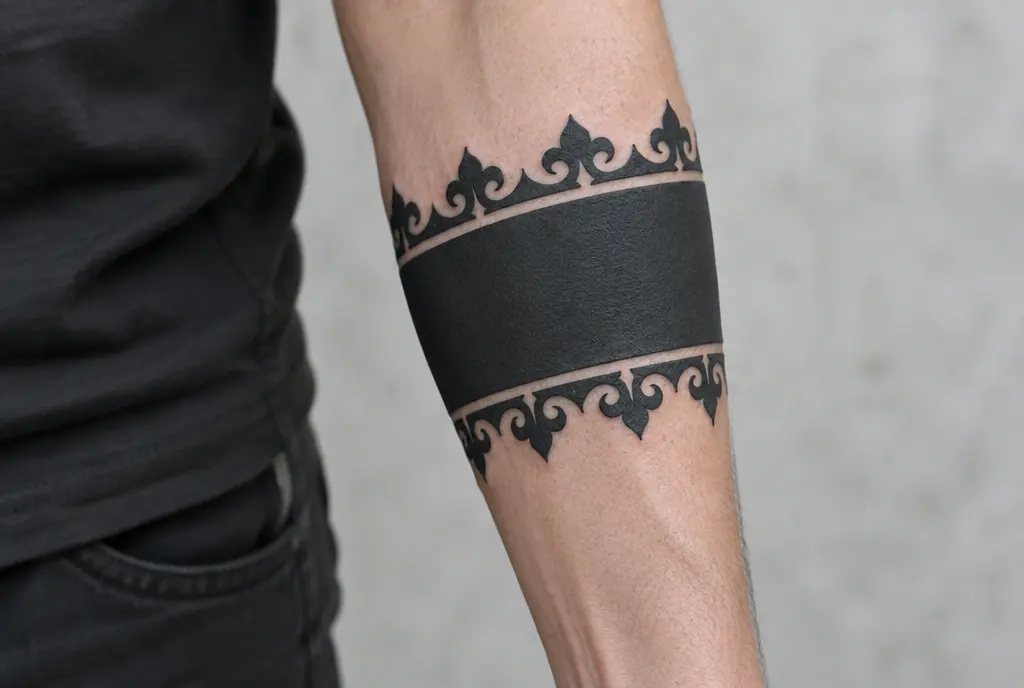
- The old tattoo is very dark or dense. Solid black areas, heavy tribal work, thick outlines and saturated colour are hard to hide without a design that is just as dark.
- You want the new tattoo lighter or finer. Fine line, soft black-and-grey, watercolour, pastel colours and lots of bare skin all need a pale base.
- You don’t want the new tattoo to be much bigger. Without fading, a cover-up usually has to grow well beyond the old outline. Fading lets it stay closer to the original size.
- The old shape is hard to design around. Names, lettering, sharp geometric lines and solid bands tend to show through organic designs.
- The old tattoo has blown-out or blurry lines. Fading can soften the halo so the new lines can sit cleanly on top.
Which old tattoos can be covered without fading
Many cover-ups go ahead with no laser at all. A good cover-up artist will tell you at the consultation if yours is one of them. These are the usual candidates:
- Old, already faded tattoos. After many years in the sun, black often turns soft grey or blue-grey, which a new design can hide well.
- Thin line work and small lettering. Fine outlines can often be worked into the shadows, leaves or texture of a new piece.
- Small tattoos with room around them. If the new design can be clearly larger, there is space to place its darkest parts over the old lines.
- Light colours. Pale or faded colour can usually be covered by darker colour or black.
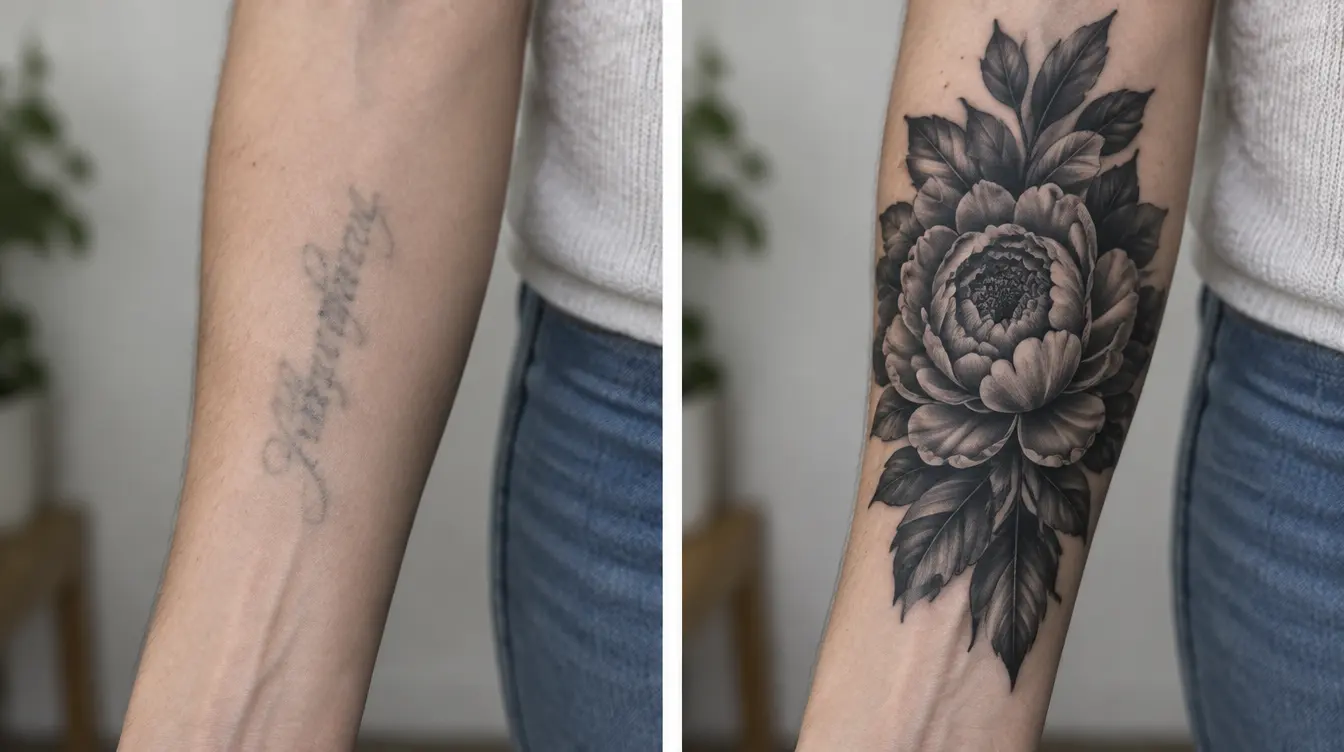
The catch is the new design. Covering without fading usually means accepting a bigger, darker and busier tattoo: dark florals, Japanese backgrounds, neo-traditional or ornamental blackwork. If you love that kind of design, you may save the time and money of the laser. If you don’t, fading is what makes your idea possible.
How many sessions it usually takes
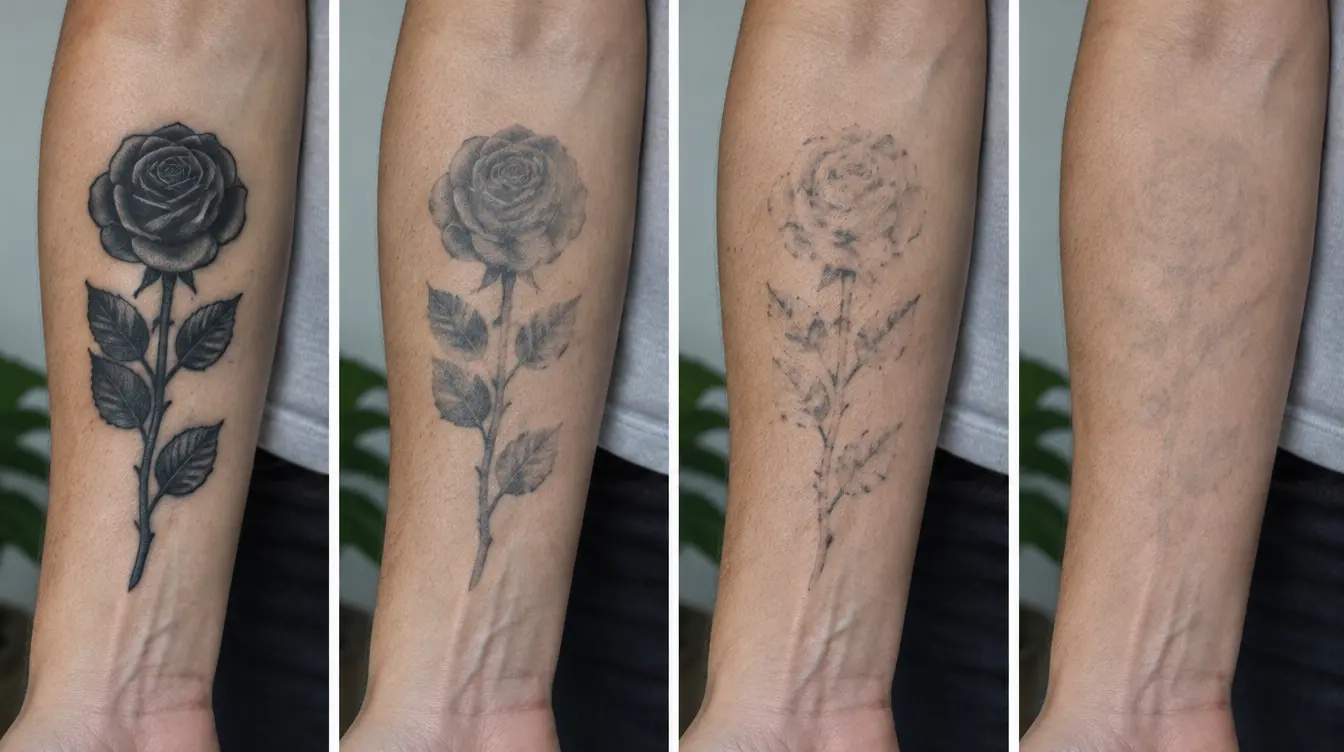
Most clinics and artists put fading for a cover-up at roughly 2–5 laser sessions. A light fade of a thin or older tattoo can be done in one to three sessions. A dense, dark piece that has to go under a light design can need four to six, sometimes more. For comparison, full removal of a professional tattoo often takes six to twelve sessions or more.
The number depends on the same things as full removal:
- How much ink there is. Professional, dense, layered tattoos take longer than thin or amateur ones.
- The colours. Black responds best. Red, green, blue and especially yellow and white fade more slowly, and some colours barely move.
- Where it is. Areas with good circulation, such as the upper arm or chest, often fade faster than hands, feet and ankles.
- How light the new design needs it to be. This is the factor that only fading has, and the one you control.
The timeline: sessions weeks apart
Each laser session breaks part of the ink into smaller particles, and the body clears them away over the following weeks. That is why sessions are spaced apart, usually six to eight weeks, and often longer for darker skin, slow-healing areas or bigger tattoos. Coming back sooner does not speed things up; it mostly raises the risk of irritation, blistering and changes in skin colour.
In practice, three sessions with eight weeks between them take about four months from the first to the last. Add the wait before the new tattoo, and a typical fade-then-cover-up plan takes roughly six months to a year. It is slower than walking straight into a studio, but much faster than a full removal, which often takes one to two years.
How long to wait after the last session
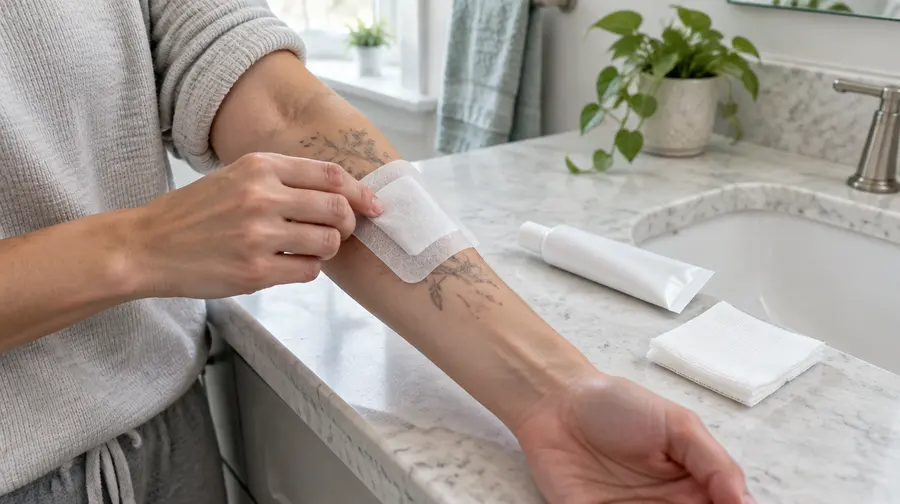
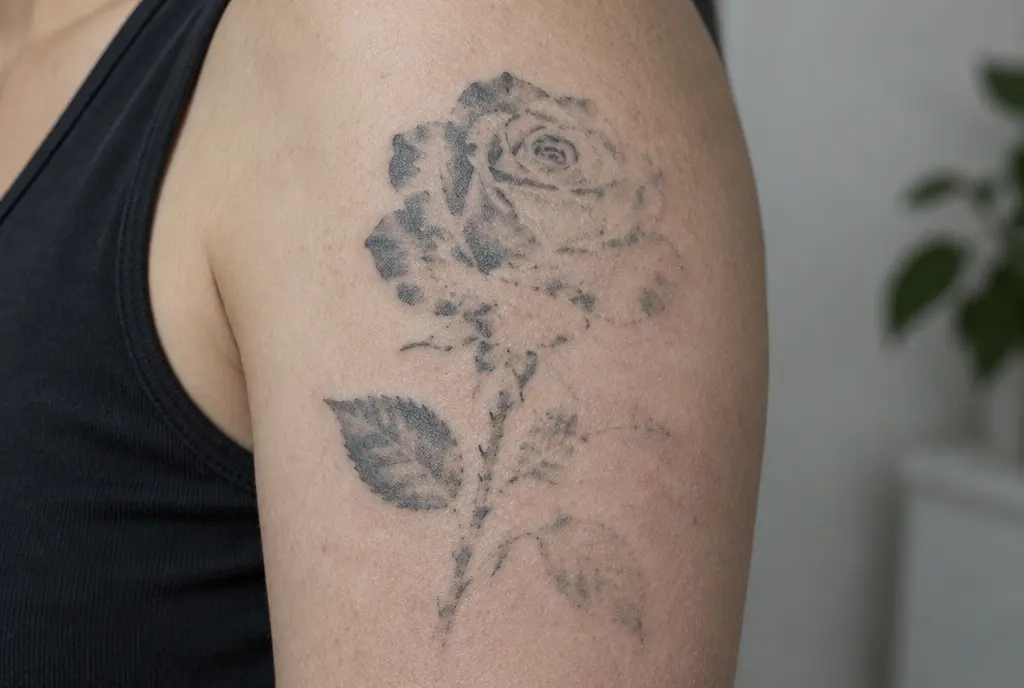
Your skin needs to be fully healed before anyone tattoos over it. Laser-treated skin can stay a little tender, pinker or slightly different in texture for a while after the surface looks fine, and the old ink keeps fading for several weeks after each session.
Most guidance puts the minimum wait at about six weeks after the last session. Many tattoo artists prefer two to three months, and some ask for up to six months, so the skin has settled and they can see the final result of the fading. Ask your artist what they want before you book the last laser appointment.
Signs that the skin is ready, as a rough checklist to go through with your artist:
- no scabs, blisters, crusts or open spots left
- the skin colour is back to normal, with no lasting redness
- the texture feels like the skin around it, not shiny, raised or hard
- the faded tattoo has stopped changing from week to week
What your tattoo artist wants to see
A good cover-up artist plans the new tattoo around what the laser leaves behind. These are the things they usually ask for:
- The new design first. Ideally you agree on the cover-up before the first session, so everyone knows how light the old tattoo has to be, and where.
- Clear photos after each session. Daylight, no filter, straight on, once the skin has healed. They show how fast your ink is fading.
- Even fading. A uniformly paler tattoo is easier to work with than one where the outline is gone but a solid patch is still dark.
- Healthy skin. No raised scars, no blisters and no patches of very light or dark skin. If something looks wrong, the artist will usually wait.
- The parts that matter most faded most. If the new design has bare skin or light colour in one area, ask the clinic to focus on the old ink sitting under that area.
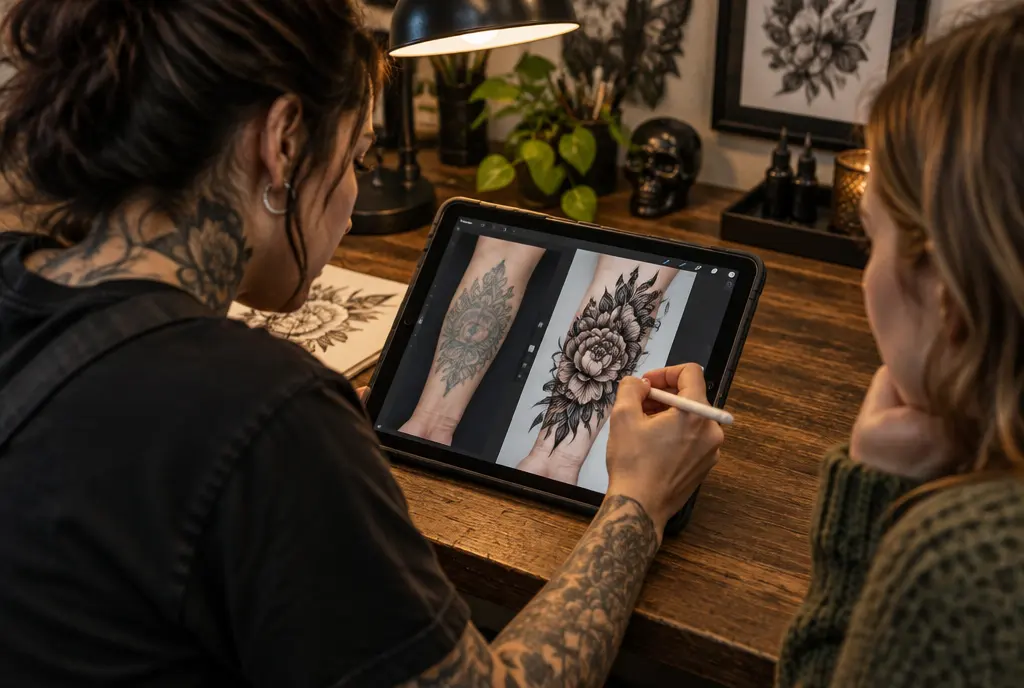
Some laser clinics and tattoo studios work together and will send you to each other. That makes it easy to plan the number of sessions with both sides from the start.
What it costs compared with full removal
You pay for laser fading the same way as for removal: price per session, which depends mainly on the size of the tattoo, multiplied by the number of sessions. The difference is the second number. As a rough guide in Europe, one session costs about €50–150 for a small tattoo, €100–250 for a palm-sized one and €200–450 for a large one. In the US prices are usually higher, often about twice as much.
A worked example: a palm-sized black tattoo at €150 per session. Fading in three sessions comes to about €450. Full removal of the same tattoo in ten sessions comes to about €1,500. The cover-up itself then costs whatever the artist charges for the new design, which is often more than a fresh tattoo of the same size, because cover-ups take more planning and time.
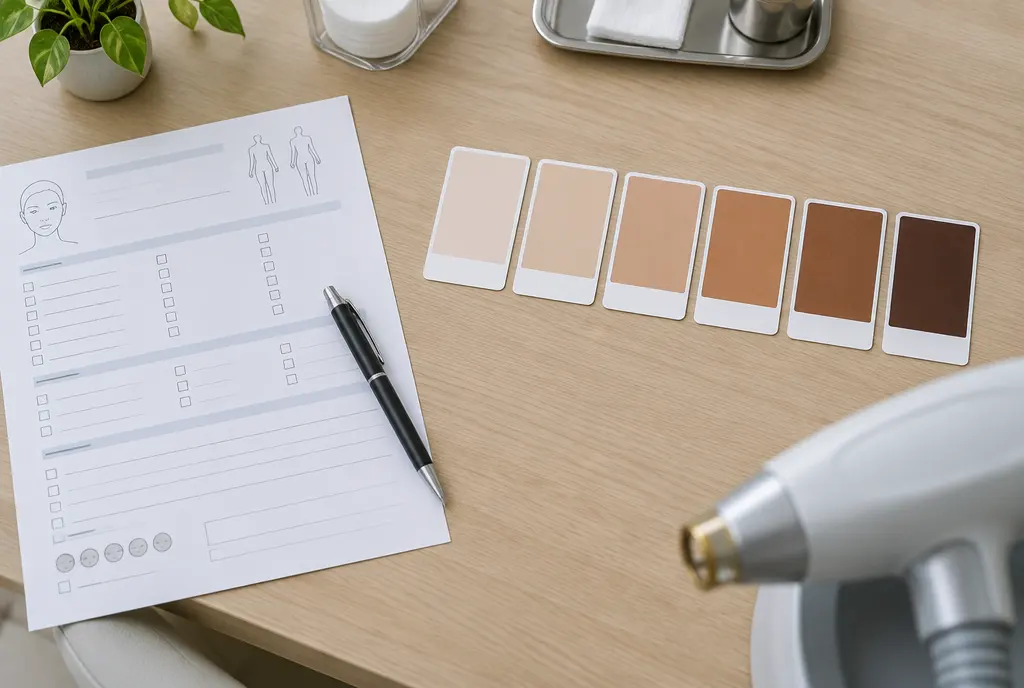
So fading plus a cover-up is not always cheaper than a cover-up alone, but it is usually far cheaper than full removal followed by a new tattoo. If you are sure you want new ink in the same spot, fading is usually the better deal. If you mainly want your skin back, full removal is the honest choice.
Things to watch out for
- Colours that can darken. White, skin-tone, some pink and some light-coloured inks can turn darker, even grey or black, after a laser session. Ask for a test spot on light or cosmetic colours first.
- Uneven fading. Some parts of a tattoo fade faster than others. Plan the new design so it can still work if a dark patch remains.
- Darker skin. The risk of light or dark marks is higher, so the right laser, settings and longer gaps matter even more.
- Who treats you. In Germany, laser tattoo removal has been reserved for doctors with the right training since the end of 2021. Elsewhere, ask about training and the type of laser.
- Overselling. A clinic that wants to sell you a full-removal package when your artist needs only three sessions is not helping you. Take the artist’s view with you.
A sensible order of steps
- Show the old tattoo to one or two cover-up artists and agree on a new design.
- Ask the artist how light the old tattoo needs to be, and where.
- Get a laser consultation and a written quote for the expected number of sessions.
- Do the sessions, about six to eight weeks apart, and send your artist photos as they heal.
- After the last session, wait until the skin has fully healed and the artist is happy, then book the cover-up.
If you want to picture the end result first, InkAge can help. You can try a new design on a photo of your own skin at the size you are considering, and the laser preview shows roughly how an old tattoo might look after a few sessions. These are estimates, not promises, but they give you something concrete to talk through with your artist and the clinic.
Read alsoCover-up tattoos: what can cover what, and when you need laser firstThe short version
Jonas had three sessions, eight weeks apart. The band went from solid black to a soft, patchy grey. He waited three months, sent his artist photos, and then got the botanical piece, a little wider than the band, with the darkest leaves placed over what was left of it. Fading is not about making a tattoo disappear. It is about giving the new one room. If your old tattoo is dark and your new idea is light, ask about two to five sessions first.
Frequently asked questions
How many laser sessions do I need before a cover-up?
Often about 2–5. A thin or older tattoo may need only one to three; a dense, dark tattoo going under a light design can need four to six or more. Full removal usually needs many more, often six to twelve or above. Ask your tattoo artist how light the old tattoo has to be, then ask the clinic how many sessions that is likely to take.
How long after laser can I get a cover-up tattoo?
Wait until the skin is fully healed: at least about six weeks after the last session, and often longer. Many artists prefer two to three months, and some ask for up to six, so the skin has settled and the fading has finished. Your artist has the final say.
Can every tattoo be covered without laser?
Many can, especially old, faded, thin-lined or small tattoos. But covering without fading usually means a bigger, darker and busier new design. If the old tattoo is very dark or dense, or you want something light and delicate, a few laser sessions first give you far more choice.
Is fading for a cover-up cheaper than full removal?
Usually much cheaper, because you pay for fewer sessions. A palm-sized black tattoo at €150 per session might cost around €450 to fade in three sessions, against around €1,500 for ten sessions of full removal. Prices vary a lot by country and clinic, and the cover-up tattoo itself comes on top.
Does tattooing over laser-treated skin work as well?
Usually yes, once the skin has fully healed. Correctly done laser treatment normally leaves the skin intact, and artists tattoo over faded ink all the time. If the laser left scars, blisters that healed badly or very light or dark patches, tell your artist; those areas can take ink differently and may need to be designed around.
Sources
- Cover-up: should you fade your old tattoo with laser first? (Ray Studios)
- How many removal sessions before you can get a cover-up? (Ray Studios)
- Can you tattoo over a removed tattoo? (Removery)
- How to care for your skin after tattoo removal (American Academy of Dermatology)
- 5 questions about laser tattoo removal, answered (MD Anderson Cancer Center)
- Cosmetic tattoo ink darkening. A complication of Q-switched and pulsed-laser treatment (Arch Dermatol 1993)
Do you run a laser clinic? Show guests their own tattoo after 3, 6 and 10 sessions
Written by the InkAge editorial team from widely accepted tattoo-care practice. Figures are rules of thumb, not measurements. This is general information, not medical advice — ask your artist or a dermatologist about your own skin.
Last updated: 16 November 2026