In short
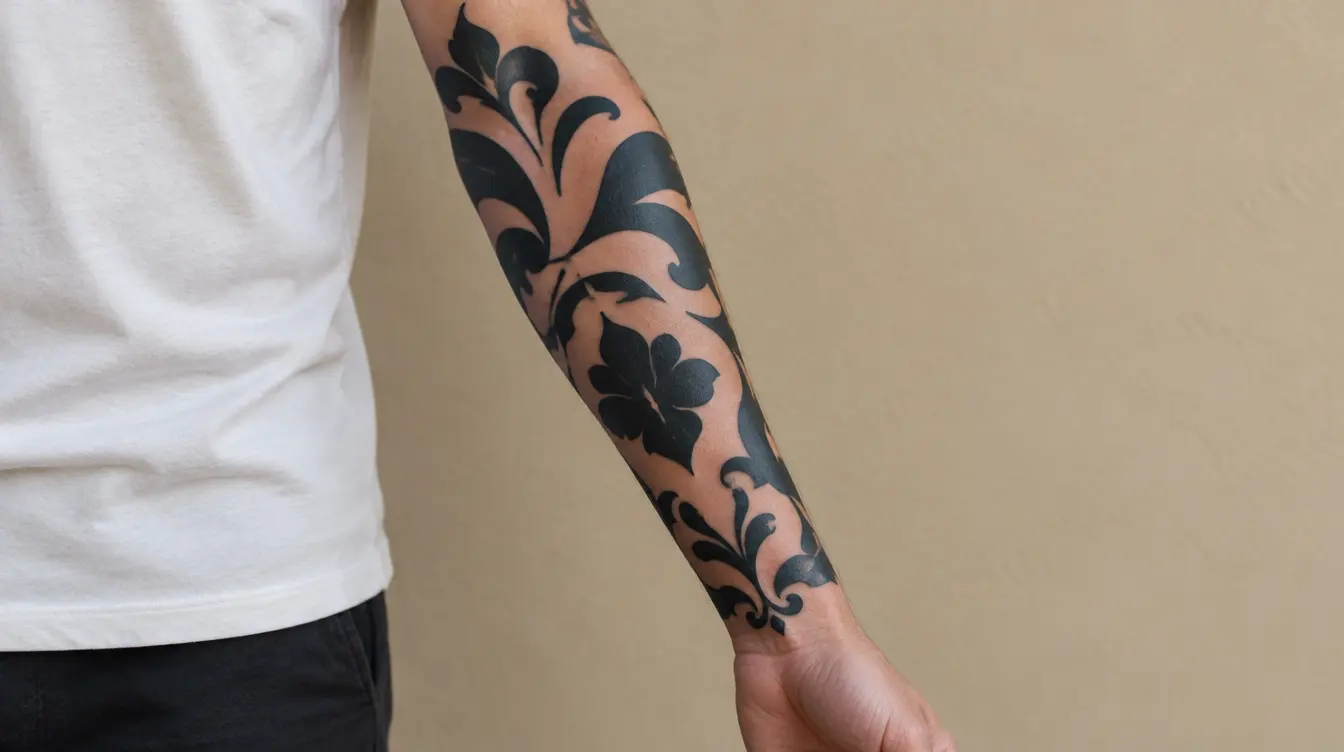
- Blackwork ages better than almost any other style, because black ink is stable and bold contrast survives the slow spread of pigment.
- The back, upper arm, outer forearm and calf treat it best. Hands, fingers and the front of the neck wear it faster and need touch-ups more often.
- Large solid areas can heal slightly patchy; one touch-up after healing is normal, not a sign of bad work.
- Leave room for negative space and protect the black from the sun: those two things decide how crisp it looks in twenty years.
In this article 10
Inês had wanted a blackwork piece on the side of her neck for three years. She had a folder of screenshots, an artist she trusted and a date in the calendar. What she didn’t have was an answer to the question her mother asked at Sunday lunch: “And what will that look like when you’re sixty?” She went home and searched for it, and found either glossy fresh photos or horror stories about faded hand tattoos. Neither told her anything about her neck.
Blackwork has a reputation as the style that ages best, and for good reason. But it still behaves differently on a hand than on a shoulder blade, and differently again on the front of the throat. This guide looks at the most popular placements one by one: how blackwork heals there, how it tends to age, and what to plan for before the needle starts.
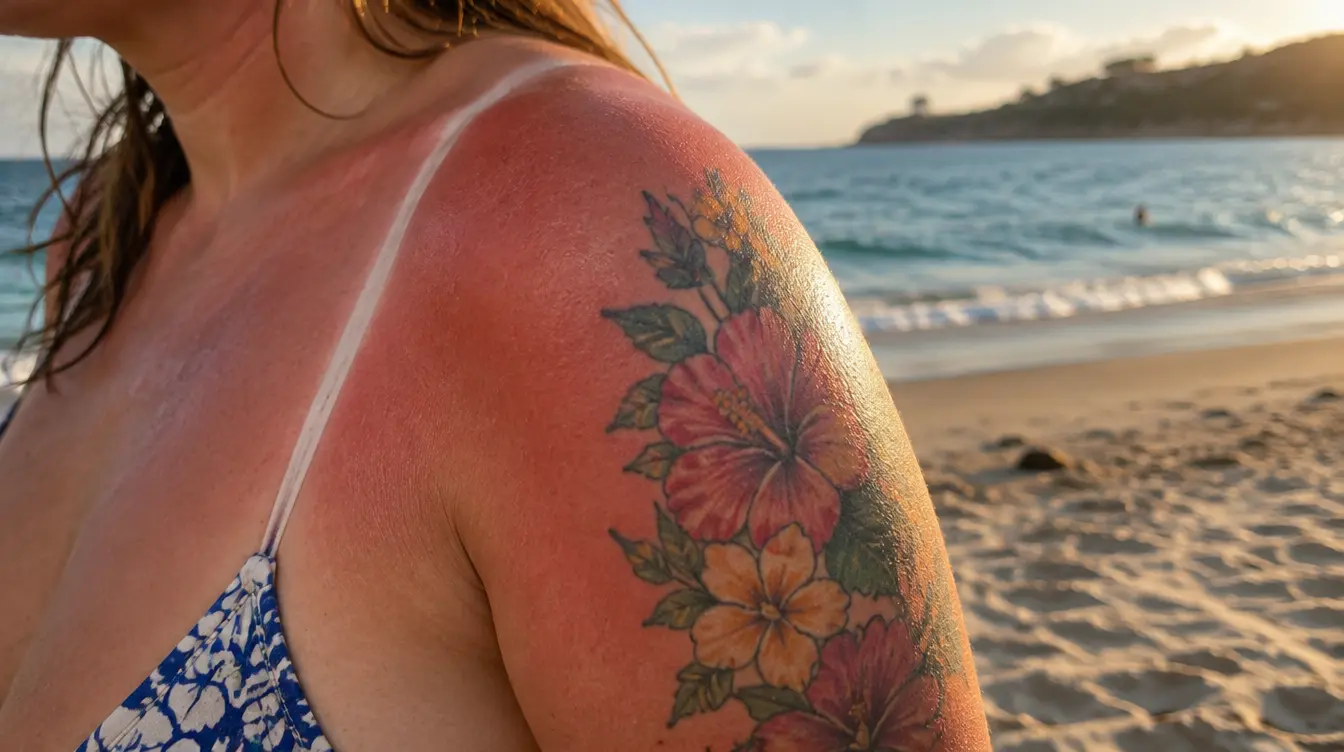
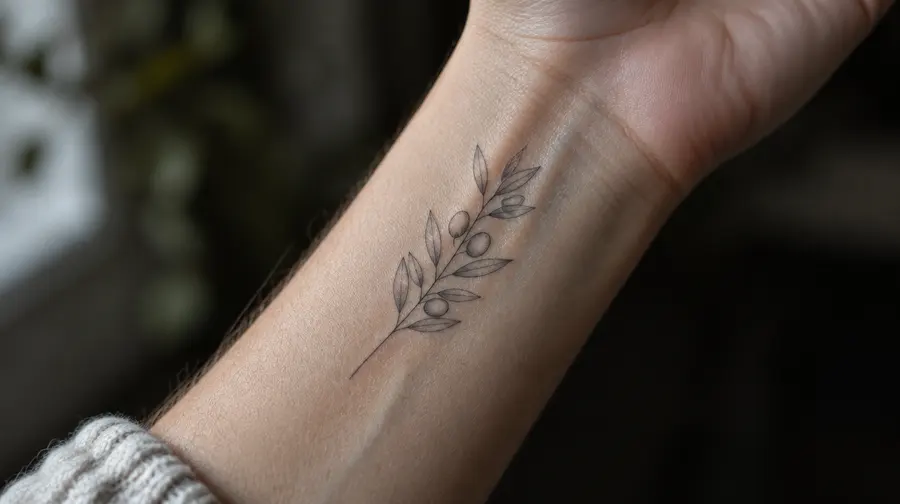
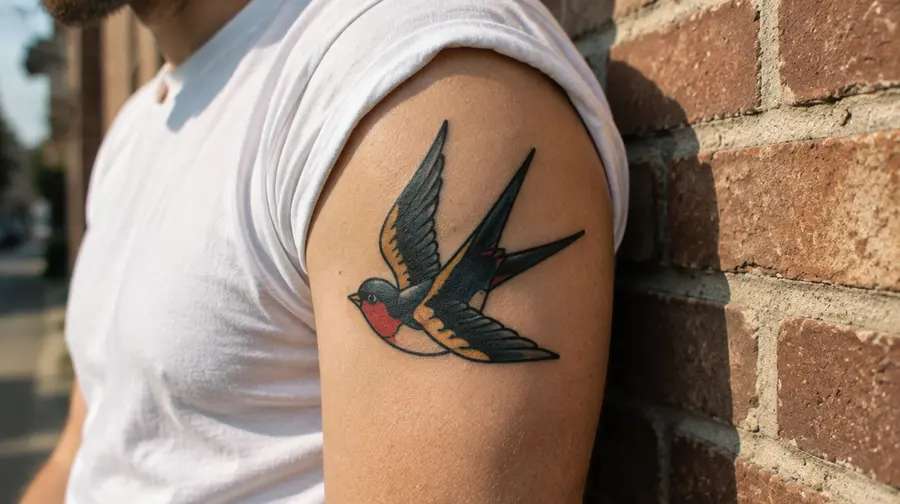
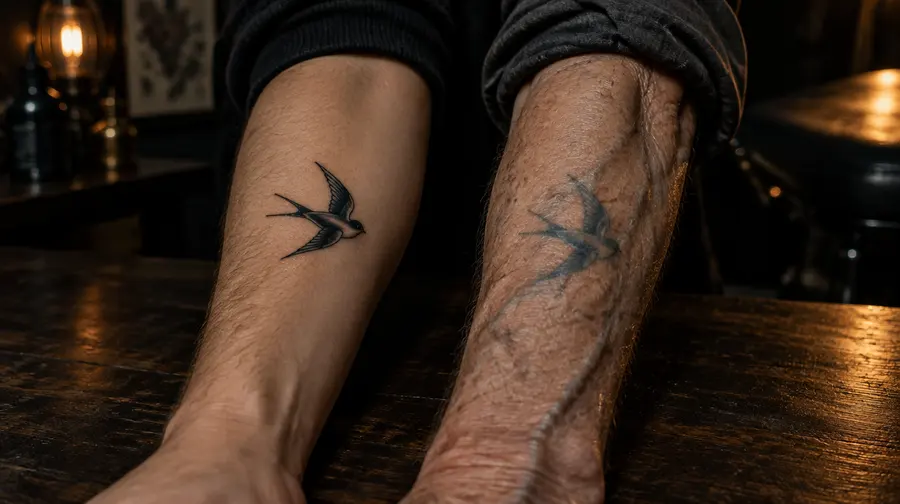
> A note on the pictures: the images in this article are illustrations made to show typical results. They are not photos of real clients.
What makes blackwork different
Blackwork covers a wide family of designs: ornamental and geometric patterns, tribal-inspired shapes, bold illustrative pieces and large areas of solid black. What they share is the ink and the contrast. Black pigment is the most stable colour used in tattooing, and a design built from bold black shapes next to bare skin keeps its readability even as the lines slowly soften over the decades.
That doesn’t make blackwork indestructible. Ink still spreads slightly over time, artists often estimate about a tenth of a millimetre per decade, and sun still breaks it down. What blackwork has is margin: a bold shape can lose a little crispness and still look intentional.
Blackwork doesn’t avoid ageing. It just has more room to age in.
How blackwork heals
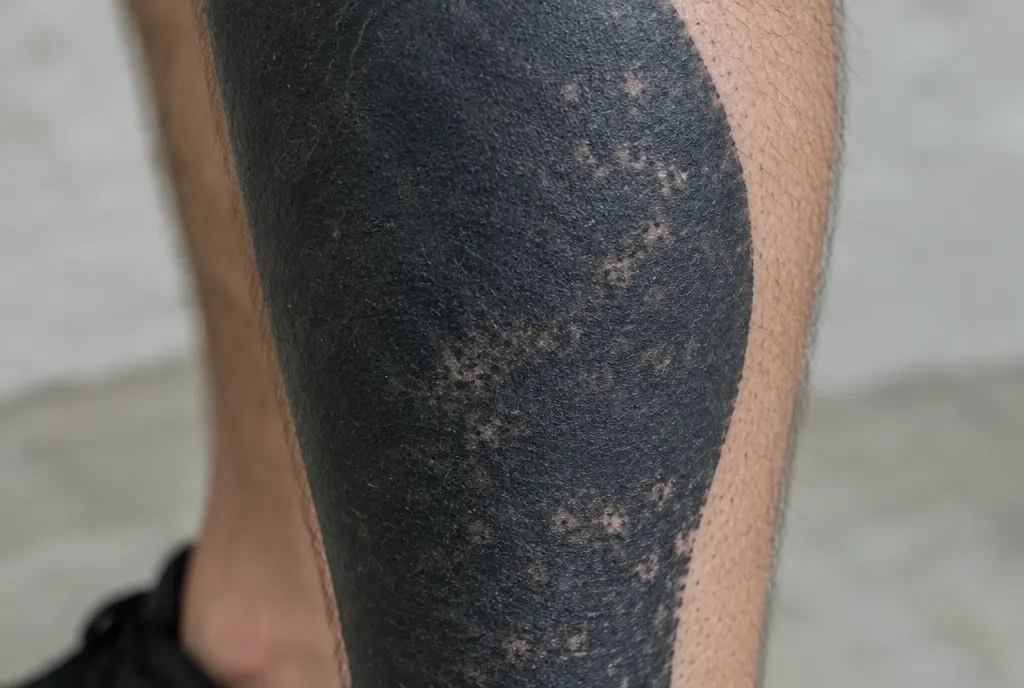
Large areas of solid black are heavy work for the skin. Expect more swelling and tenderness than with line work, a few days of oozing, and a longer peeling stage. When it has healed, a solid area may look slightly uneven, with lighter specks or a patchy patch here and there. This is common and usually just means a part didn’t hold ink evenly while healing.
Most artists plan a touch-up after four to six weeks or more, once the skin has fully settled. One touch-up on a big black piece is part of the process, not a sign that something went wrong.
Placement by placement
Neck
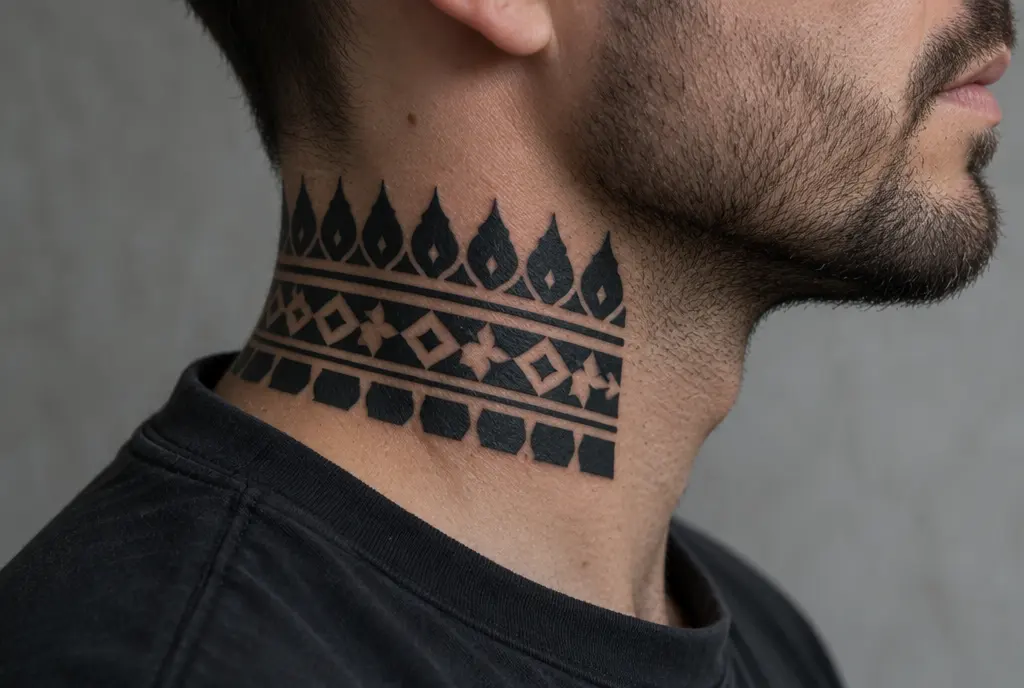
The neck is not one placement but several. The side and the back of the neck are thicker-skinned and usually take blackwork well. The front of the throat is thinner, bends constantly and gets a lot of sun, so lines there tend to soften faster and the area can be more prone to blowouts. The neck also creases with age, and a pattern laid across those creases will follow them.
Healing on the neck can be fiddly: collars rub, it gets sun, and you can’t really cover it. Plan the first weeks around loose, soft necklines.
Good to know: bold ornamental bands and shapes that follow the curve of the neck age more gracefully than fine details in the middle of the throat. And a neck tattoo is hard to hide, which matters for some jobs.
Hand and fingers
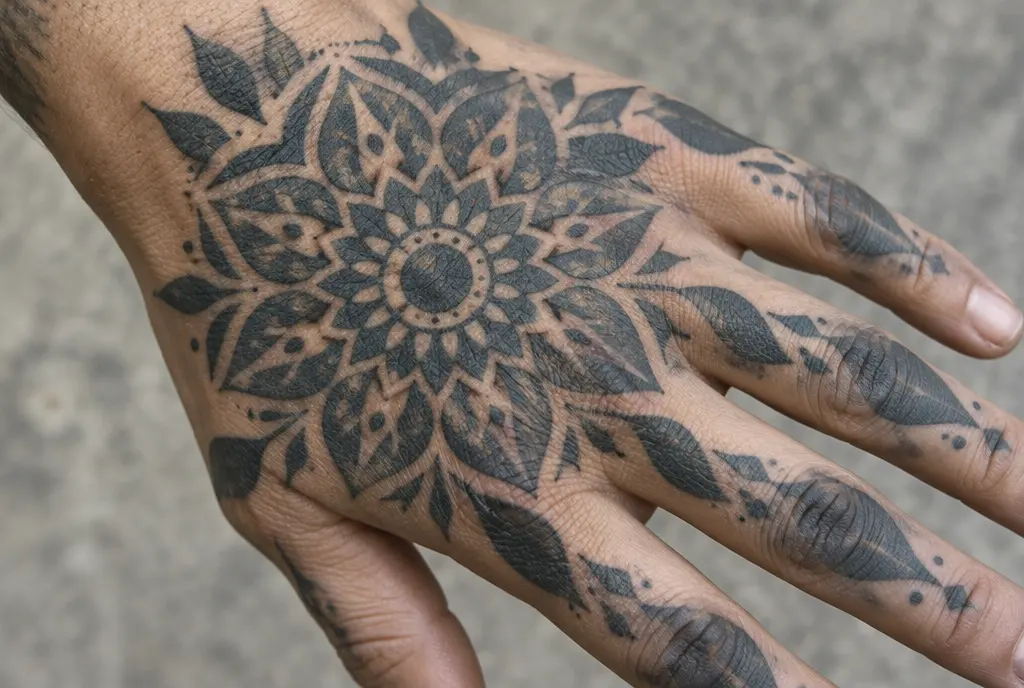
Hands are the toughest placement for any tattoo. The skin is thin, constantly washed, rubbed and bent, and it sees more sun than almost anywhere else. Even blackwork softens faster here, especially on the knuckles, the sides of the fingers and the palm side, which many artists won’t tattoo at all.
The good news is that blackwork is the most forgiving style for hands. A bold, simple design survives the wear far better than fine line or tiny lettering. Expect to need touch-ups more often than on other areas, and protect the backs of your hands from the sun like you would protect your face.
Forearm
The forearm is the classic blackwork canvas, with a big difference between its two sides. The inner forearm is softer, more protected and ages gently. The outer forearm is the side that gets the sun when you drive, cycle or sit on a terrace, and that sun is what usually ages it faster. Large blackwork sleeves on the forearm hold up very well when they are kept out of the sun.
Back
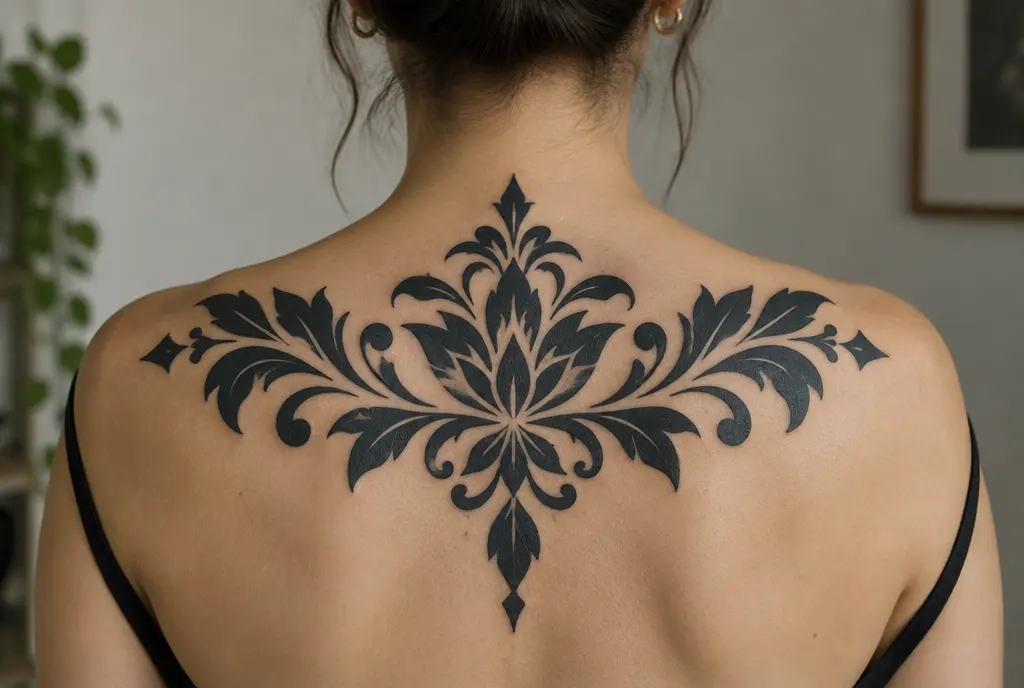
The upper back and shoulder blades are the best canvas there is. The skin is stable, it is usually covered by clothing, it doesn’t bend much and it gives a big design room to breathe. A large blackwork piece here can look strong for decades. The trade-off is time: big back pieces mean long sessions, and some spots, such as the spine and shoulder blades, are among the more painful areas.
Calf, upper arm and chest
The calf and upper arm are similarly kind: plenty of surface, relatively stable skin and moderate sun. The chest works well too, though the sternum is thin-skinned and painful, and the area can change shape with weight changes and, for some people, pregnancy.
Blackwork on darker skin
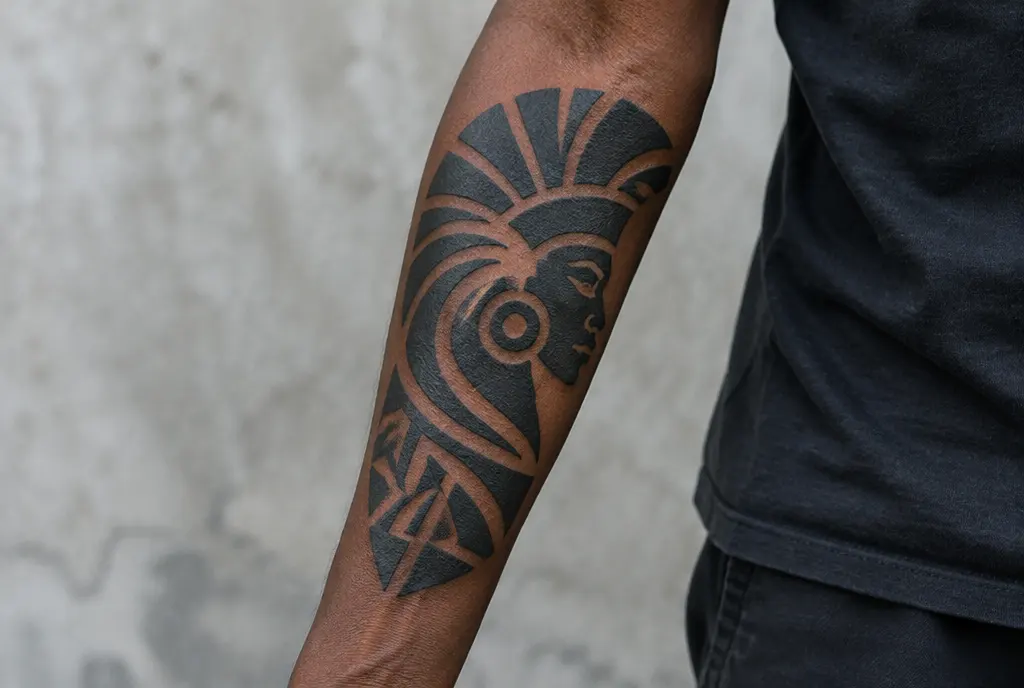
Blackwork is often one of the best choices for darker skin tones, because bold black reads clearly on any skin and doesn’t depend on light colours that can disappear into deeper skin. Choose an artist with healed work on skin like yours, and ask how they handle large solid areas, since some darker skin types are more prone to raised scarring.
Planning a blackwork piece that ages well
Whatever the placement, a few choices before the session make the biggest difference in twenty years.
- Leave negative space. Bare skin inside the design isn’t empty: it is what keeps the shapes readable as the edges soften.
- Keep fine detail big enough. Thin lines and dotwork next to solid black are the first to merge into it. Give them a few millimetres of room.
- Follow the body. Designs that follow the curve of a neck, forearm or shoulder move with you and look better as the skin changes.
- Choose your artist by healed work. Solid black is unforgiving of uneven saturation. Ask for photos of pieces that are a year old or more.
- Plan for a touch-up. Budget time for a session after healing, and more often on hands.
The sun is still the main enemy
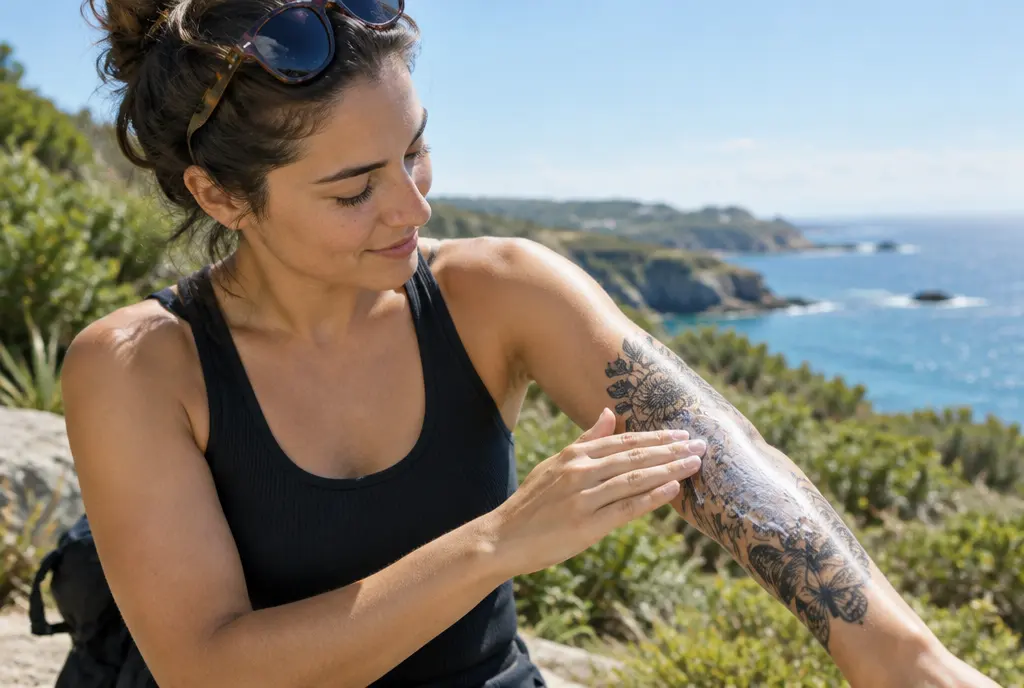
Black ink handles sunlight better than other colours, but UV still breaks pigment down and ages the skin around it. Once your tattoo has healed, use a broad-spectrum SPF 50 on any blackwork that sees the sun, especially on hands, the neck and the outer forearm. Clothing is even better. A blackwork forearm that has spent twenty summers in the sun and one that has spent them under a sleeve can look very different.
And if you change your mind
Blackwork is often used to cover up older tattoos, because solid black can hide almost anything underneath. And if you ever want it gone, black is the colour that usually responds best to laser removal, although large dense areas take many sessions.
See your blackwork in thirty years first
Before you book, it helps to see the design where it will actually live. In InkAge you can place a blackwork design on a photo of your own neck, hand or forearm at the size you have in mind and see it fresh, healed and as it is likely to look after 10, 30 and 50 years, with a longevity score for that placement. It is an estimate, not a promise, but it is the closest thing to an answer to the question Inês’s mother asked.
The short version
Inês went ahead with the side of her neck, not the front, and asked her artist to keep the ornament bold with room between the shapes. Blackwork ages better than almost anything else in tattooing, but placement still decides how much. Choose stable, covered skin when you can, design with negative space, plan one touch-up, and keep the sun off it.
Frequently asked questions
Do blackwork tattoos age well?
Generally yes, better than most styles. Black ink is stable and bold shapes stay readable as lines soften over the decades. Placement and sun still matter: hands and the front of the neck wear faster, and UV fades even black.
Is a blackwork neck tattoo a good idea?
The side and back of the neck usually take blackwork well. The front of the throat has thinner skin, bends constantly and gets more sun, so lines there tend to soften faster. Bold shapes that follow the curve of the neck age best.
Why does my blackwork tattoo look patchy after healing?
Large solid black areas often heal slightly unevenly, with lighter specks where the skin didn’t hold ink evenly. It is common, and most artists plan a touch-up after four to six weeks or more, once the skin has fully settled.
Do blackwork hand tattoos fade?
Faster than on other areas, because hands are thin-skinned, washed constantly and exposed to the sun. Blackwork is still the most forgiving style there. Keep the design bold and simple, expect more frequent touch-ups and use sunscreen on the backs of your hands.
Is blackwork good for darker skin?
Often one of the best choices, because bold black reads clearly on any skin tone. Choose an artist with healed work on skin like yours and ask how they handle large solid areas, as some darker skin types are more prone to raised scars.
Written by the InkAge editorial team from widely accepted tattoo-care practice. Figures are rules of thumb, not measurements. This is general information, not medical advice — ask your artist or a dermatologist about your own skin.
Last updated: 4 November 2026